
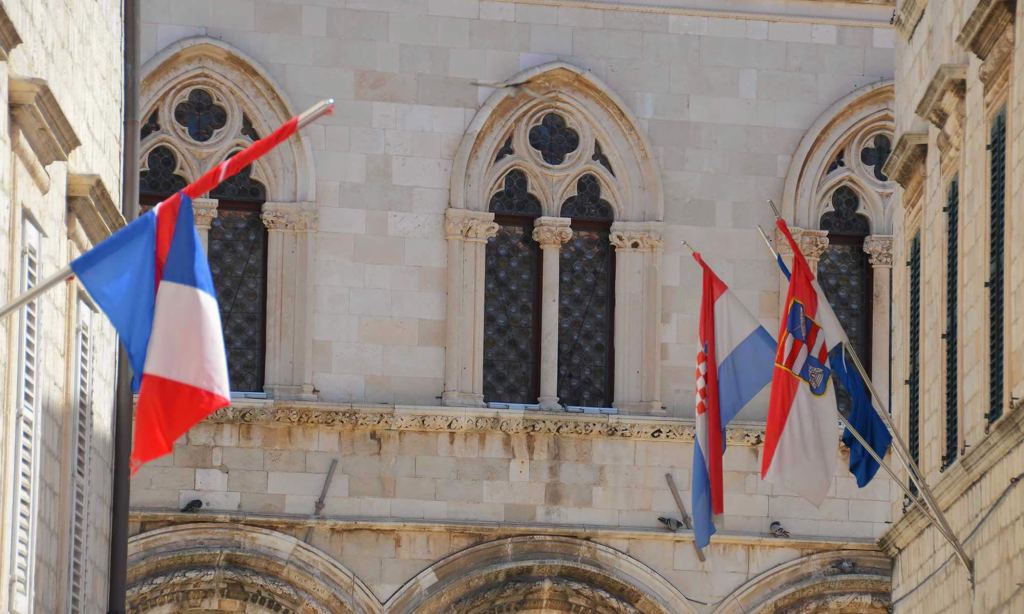
“If you want to see heaven on earth, come to Dubrovnik.”
George Bernard Shaw
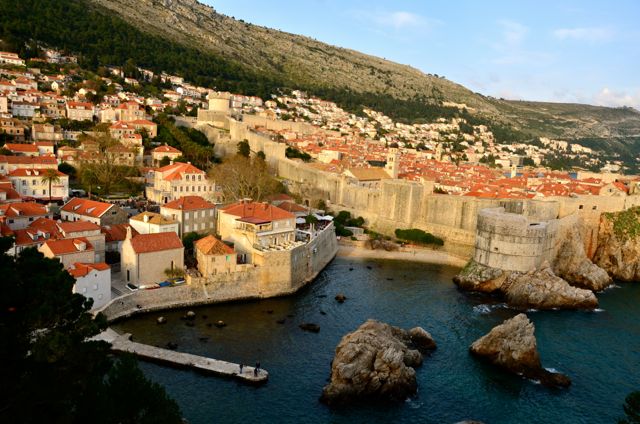
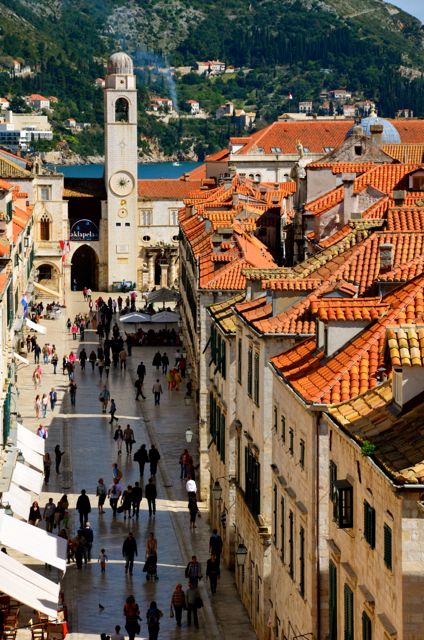
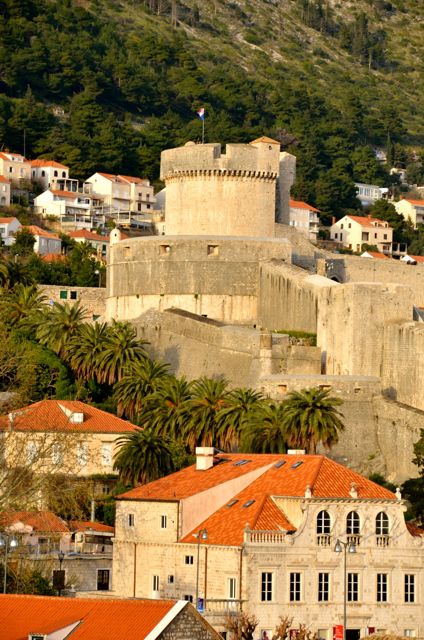
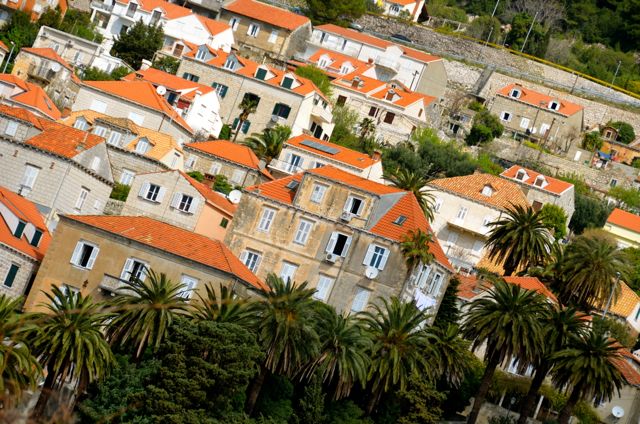
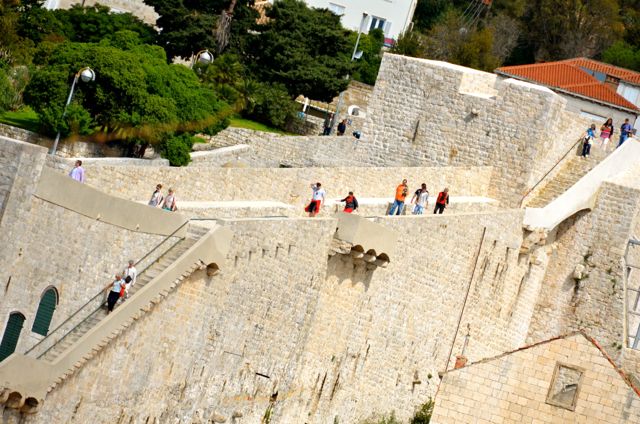
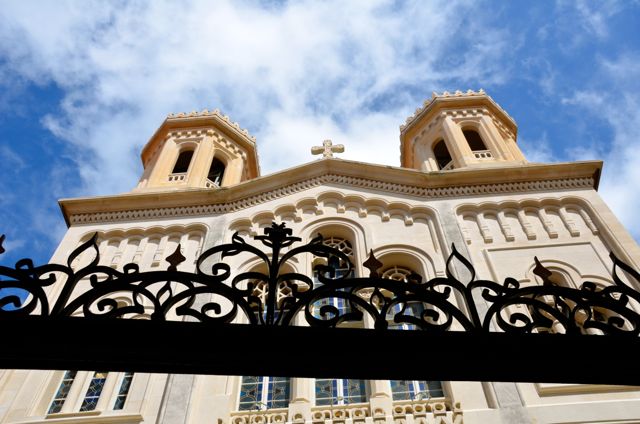
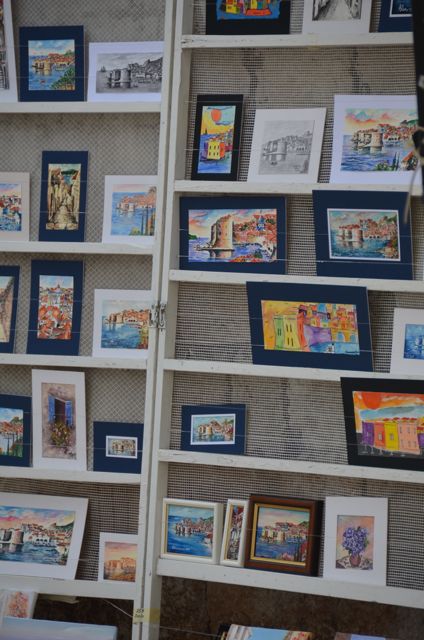
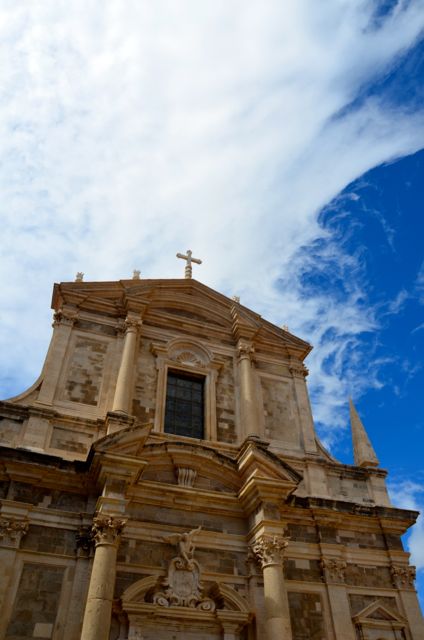
Dubrovnik. The Croatian city’s name conjures images of forbidding city walls, fire-red rooftops, buildings crafted out of white stone, and a graceful city perched above the vast Adriatic.
For the past days, we’ve zigzagged through Dubrovnik, hunting out the city’s maskerons, picnicking on backstreets with laundry lines overhead, riding the city’s cable car to Mount Srdj, and strolling the city’s famous walls. We’ve also enjoyed learning more about Dubrovnik’s history.
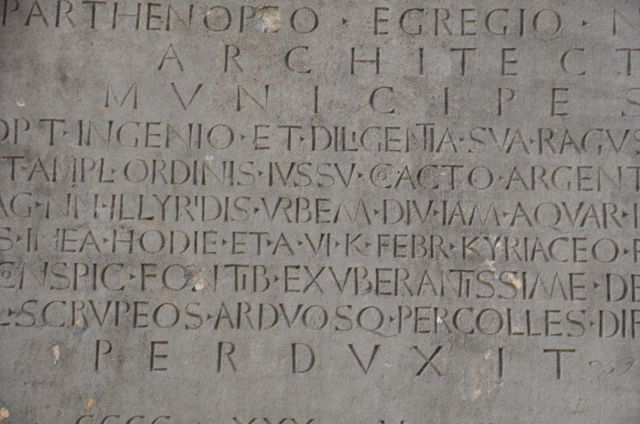
When it was a powerful city-state that rivaled Venice, Dubrovnik was called Ragusa. Thanks to the maritime trade that thrived in Ragusa for nearly 500 years, the city grew into a formidable power, studded with magnificent cathedrals and palaces that were protected by imposing walls that still wrap around the city for about 2 km. (1.2 miles). Ragusa suffered some decline following a destructive earthquake in 1667.
To get to Dubrovnik, we embarked on a seaside journey that took us from Trogir, to a lunchtime stop part-way to meet friends in Makarska, and then southeast.
We had to pass through a snippet of land belonging to Bosnia-Herzegovina, which has a fascinating history. During a 1699 treaty, Ragusa gave the Ottoman Empire this finger of land, which now gives neighboring Bosnia-Herzegovina sea access. This move was beneficial for both the Ottomans and Ragusa: the Ottomans gained access to the sea and Ragusa gained a buffer zone from the Venetian Republic, which kept swallowing up territory north of Ragusa. Today, however, Croatia is now effectively cut into two parts, necessitating passage through an international border crossing for motorists traveling to and from the southern part of the country.
Historians debate when Dubrovnik was officially founded – some believe it was in the seventh or eighth centuries, whereas others think it was even earlier. After the fall of the Ragusa city-state, Dubrovnik came under Napoleonic occupation. It was later annexed by the Habsburgs during the Austro-Hungarian Empire. It was part of the Kingdom of Yugoslavia, then Croatia and the Republic of Yugoslavia. In late 1991, Dubrovnik was attacked by components of the Yugoslavian Army. This siege lasted for approximately seven months. Artillery attacks damaged about half of the old town. Today, most of the city has been restored to perfection, though artillery and bullet damage are still visible on some buildings’ facades. Croatia gained its independence in 1991.














Where in the World?
Photography & text © Tricia A. Mitchell. All Rights Reserved.


Join the conversation.