
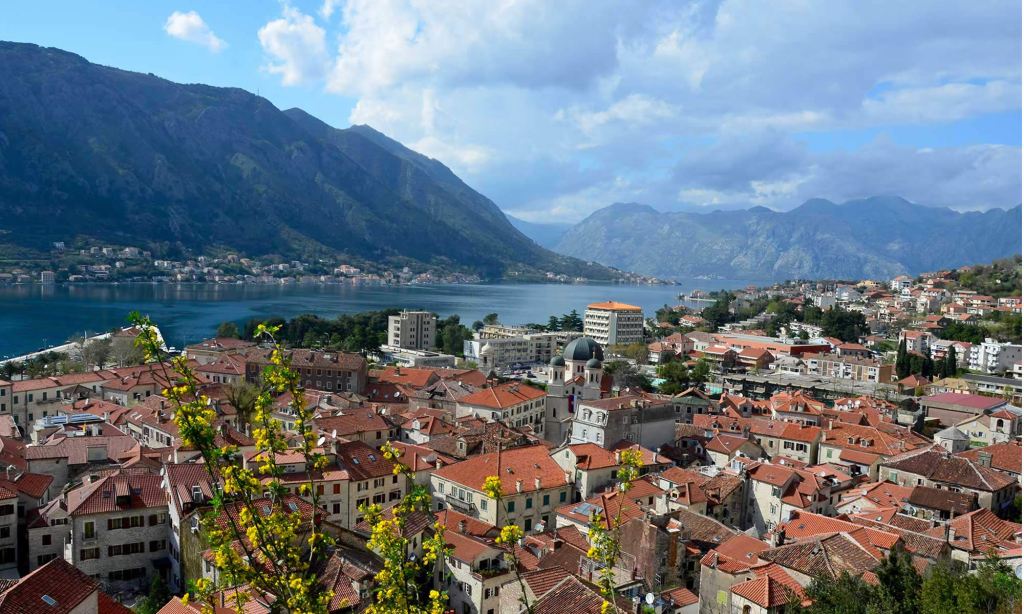
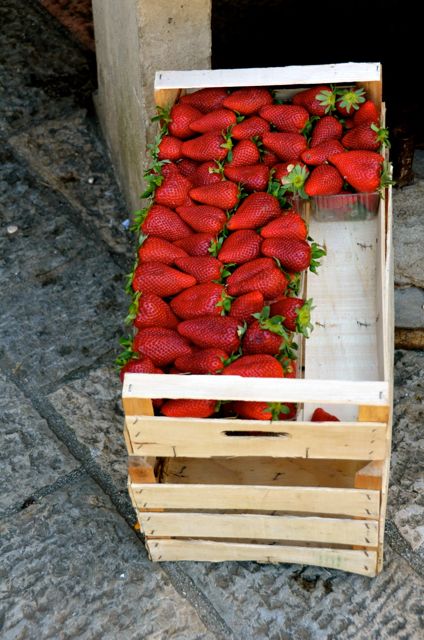
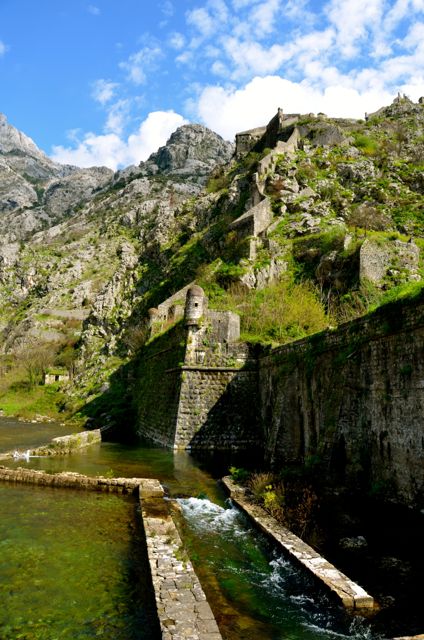
Tucked away among rustic mountains, on a majestic bay, is the small Montenegrin city of Kotor. It’s ringed by fortifications that took one thousand years to build and has an impressive Old Town and alluring fresh food market. (Think strawberries that rival softballs!)
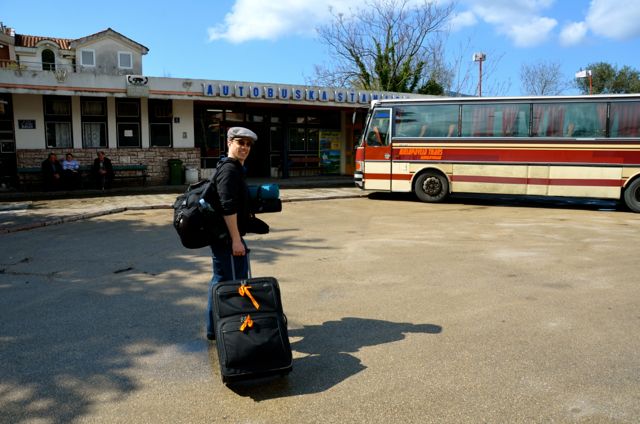
To get there, we caught a bus with a plush tangerine interior in the former Yugoslavian-era resort town of Herceg Novi, Montenegro. Folk music blared as our bus driver gesticulated and spoke passionately about the topic of the day with his female conductor and local passengers. Thankfully the ride was only about an hour, for within a short amount of time, smoke from the cigarette that was dangling out of his mouth had filled the cabin.
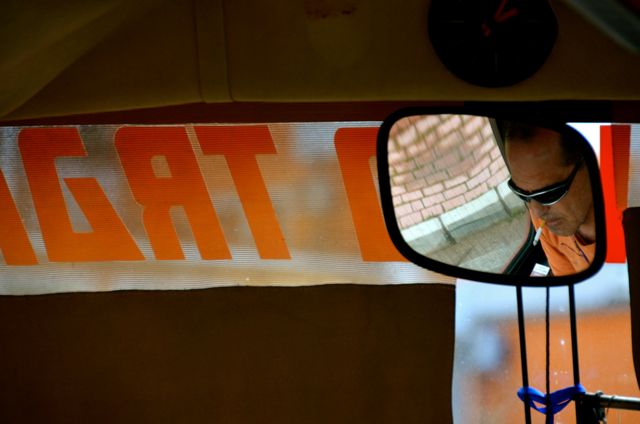
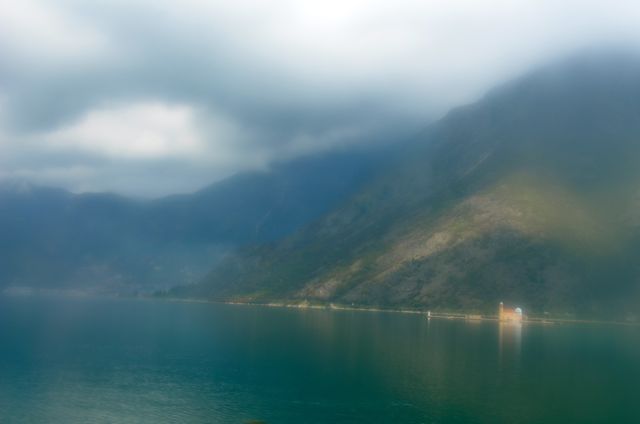
Ironically, with the legendary vistas that were literally just around the corner, we’d been destined to ride what we dubbed the “‘sweaty bus.”sweaty” bus. The double-paned windows trapped the humidity, putting a hazy, Impressionist-like filter on everything outside the windows.
Leaving Montenegro’s Adriatic coastline, we swept inland, circling around the Bay of Kotor. The bay is often referred to as Europe’s southernmost fjord, though it technically isn’t a fjord since it was not carved out by a glacier, but by a river. (I have not yet seen Norway’s fjords, but I have heard that the fjord-like description of the Bay of Kotor is well-deserved.)
As we hugged the coastline road, we caught glimpses of the towering mountains, village belltowers, and the famed Lady of the Rocks church, which sits on a manmade island near the town of Perast. Legend has it that sailors threw rocks in that spot of the bay every time they returned from a successful voyage, leading to the island’s formation. Villagers from Perast still continue this tradition by tossing stones onto the island each July.
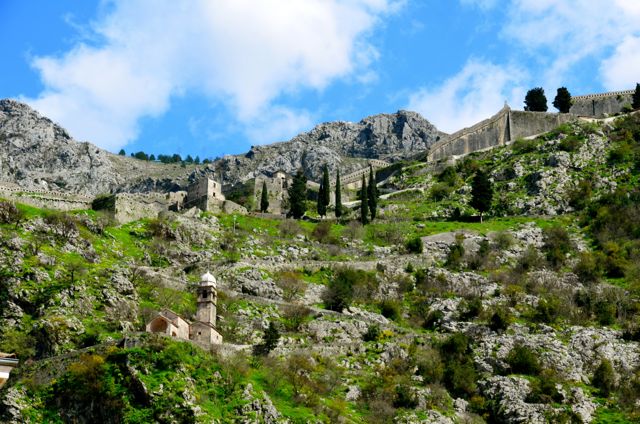
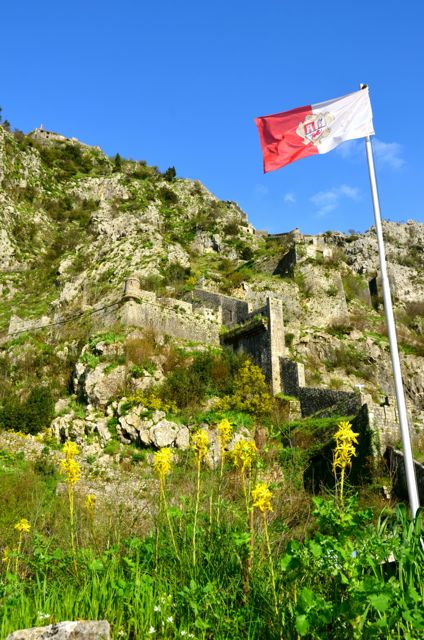
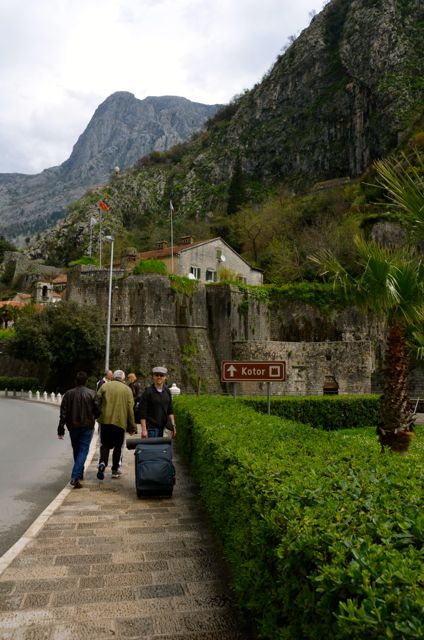
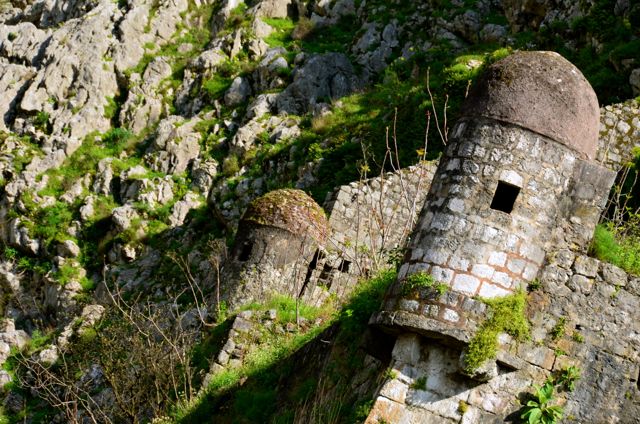
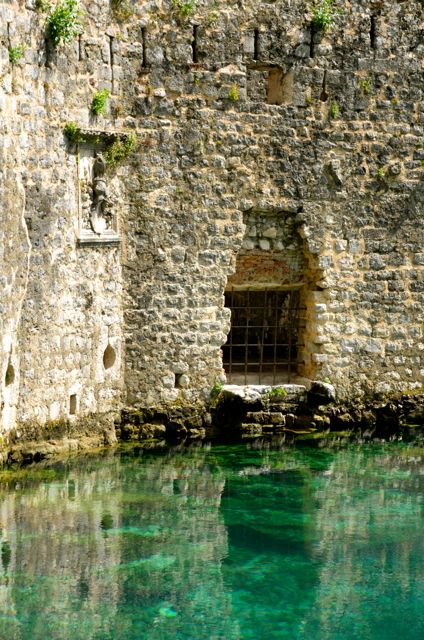
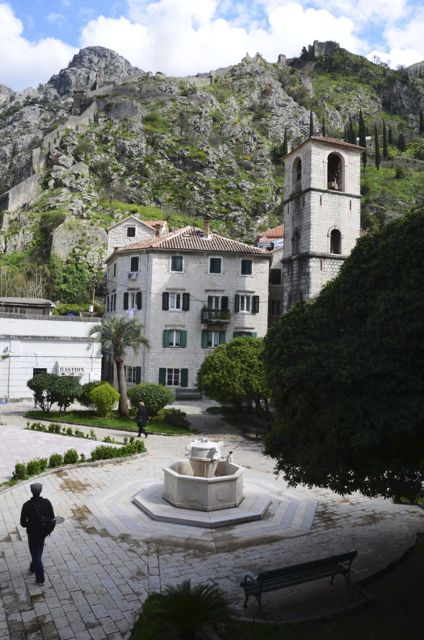
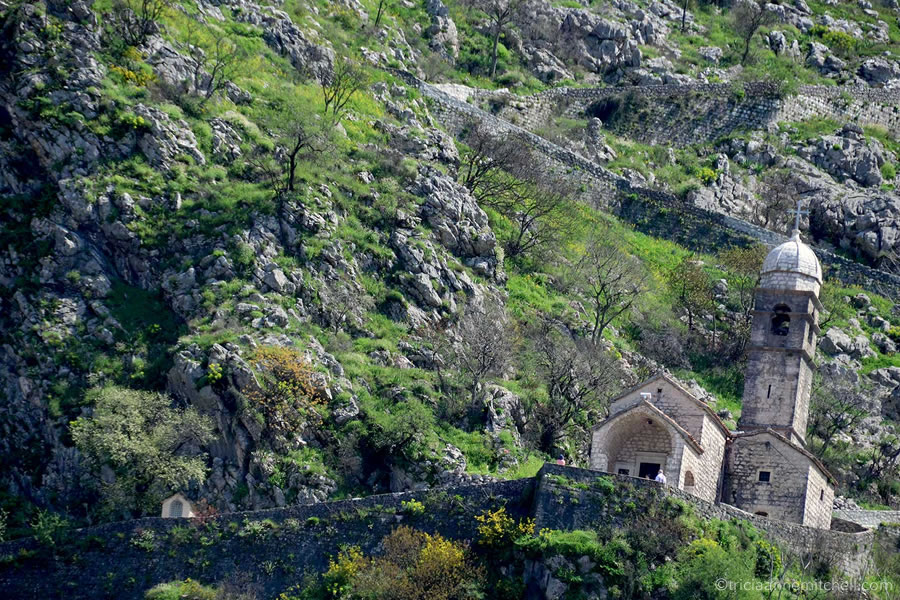
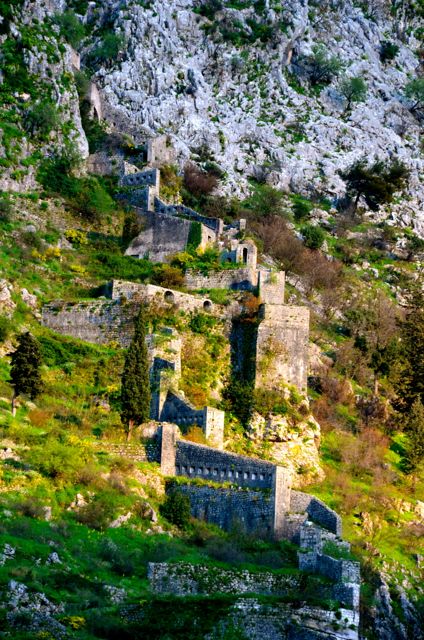
When we first arrived in Kotor, my gaze inevitably went upward – towards the craggy mountains just starting to wear an emerald green hue that signaled spring’s return. I also couldn’t stop looking at the ribbon of vertical fortifications encircling Kotor’s Old Town. They instantly reminded me of a smaller version of the Great Wall of China. I ogled continuously as we rolled our luggage from the bus station, to the cobbled lanes of the Stari Grad or Old Town, arriving at our cozy studio apartment.
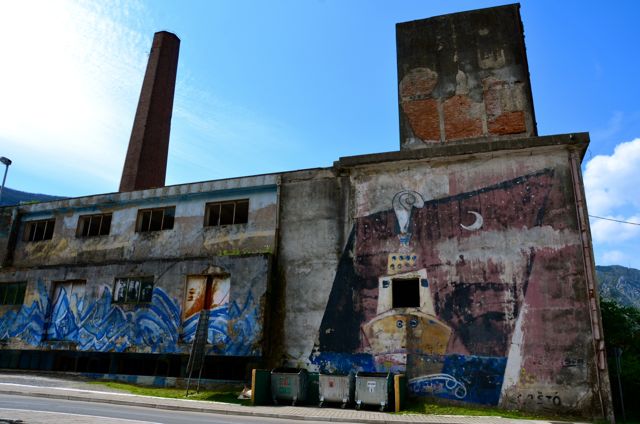

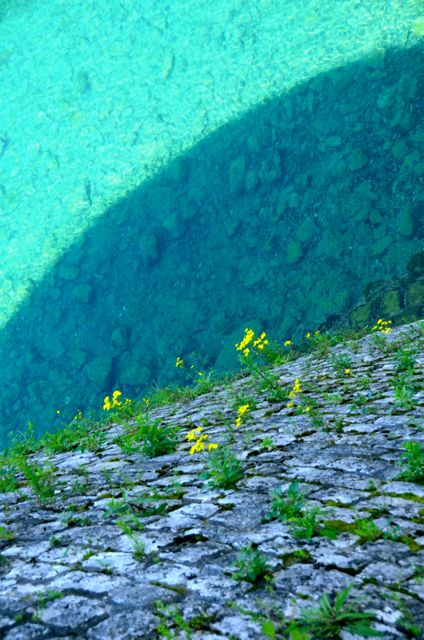
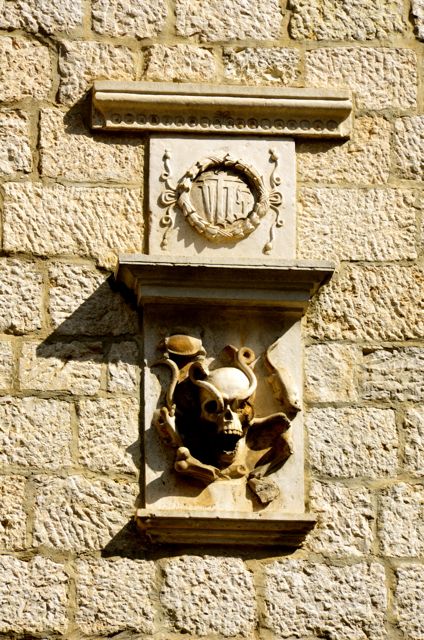
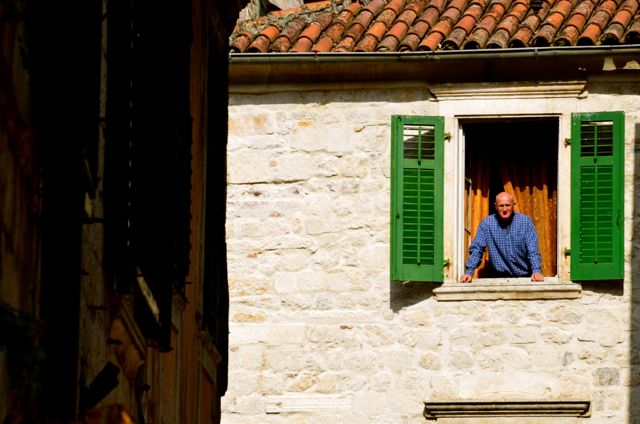
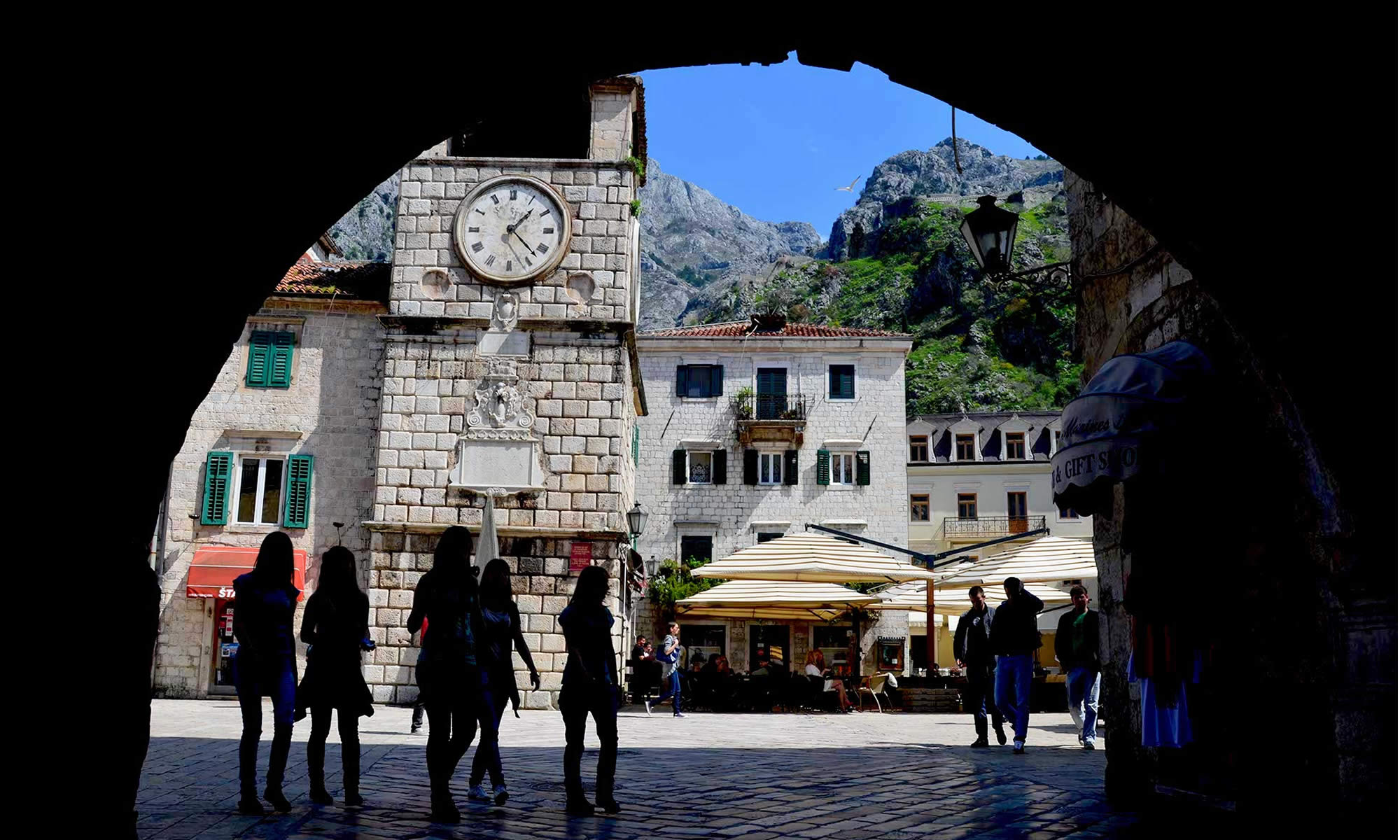
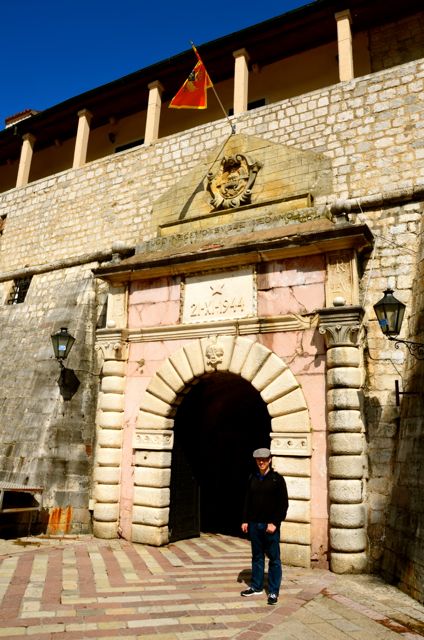
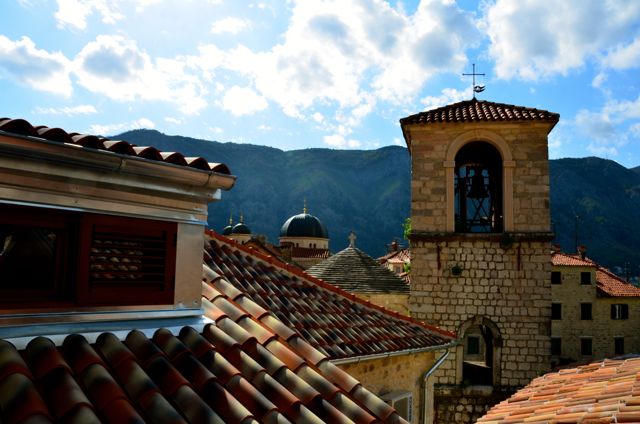
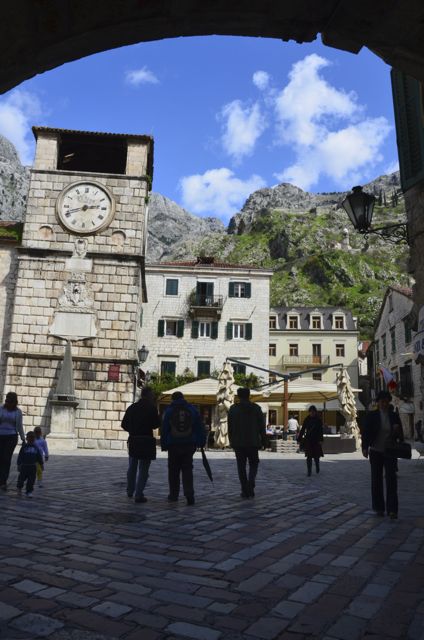
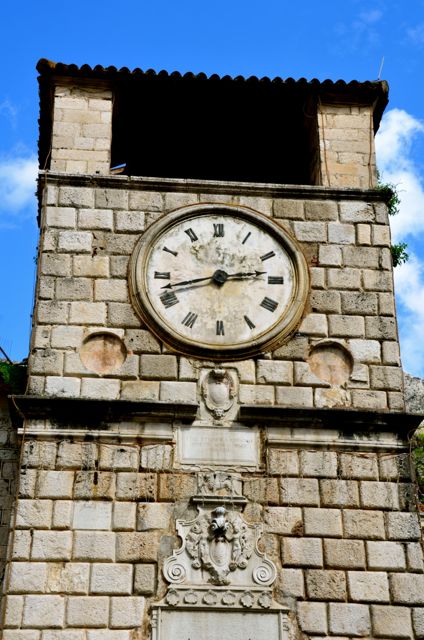
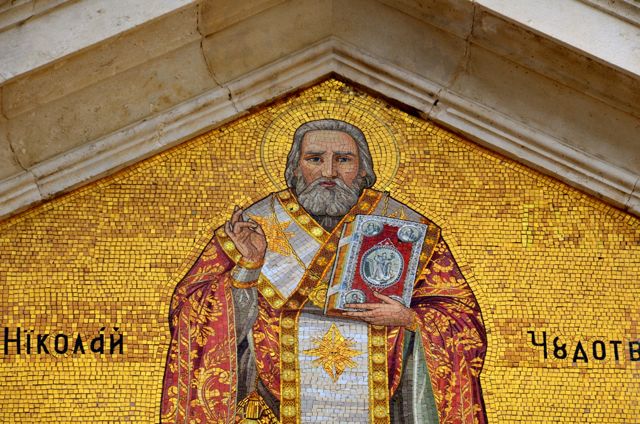
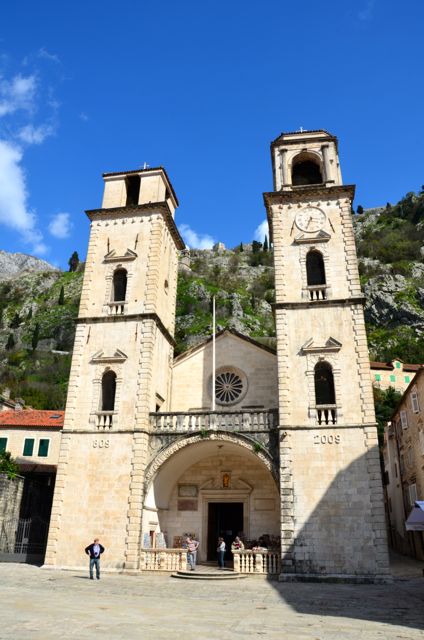
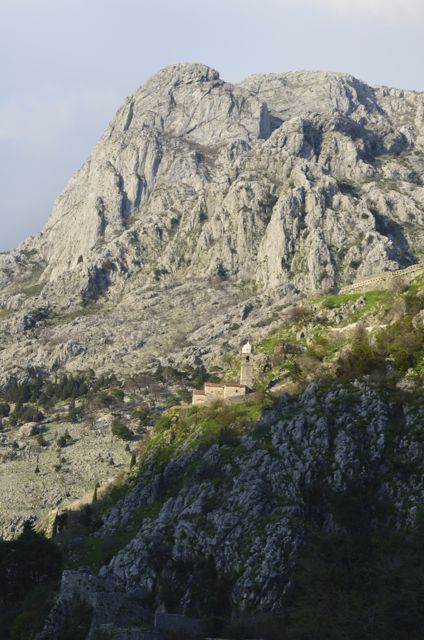
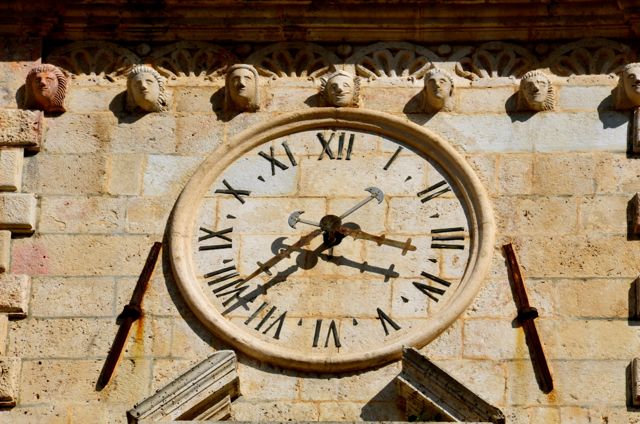
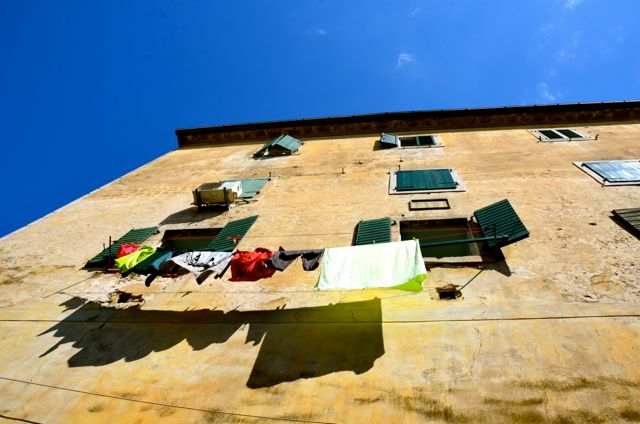
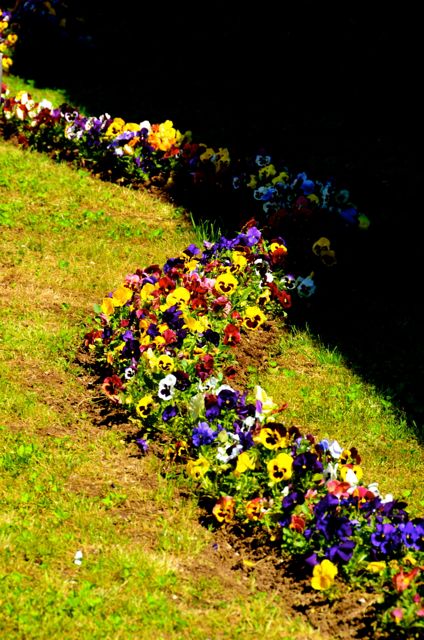
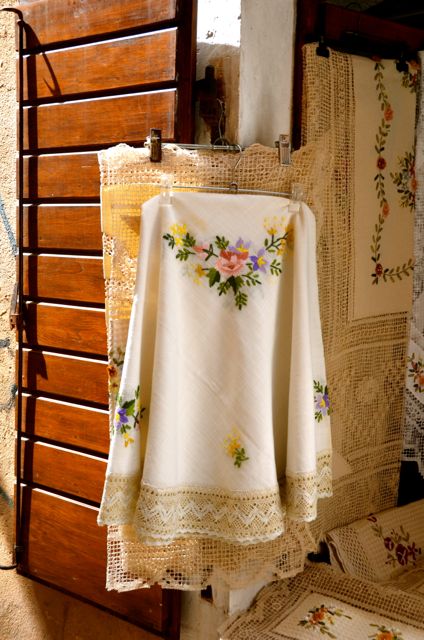
The city has the unique distinction of being part of UNESCO’s Natural and Cultural Historical Region of Kotor. Though there are about 1,000 UNESCO World Heritage Sites worldwide, less than 30 of them meet the criteria for both natural and cultural significance.
Kotor’s history is fascinating, but extremely complicated. There have been ties with or occupation by the Romans, Illyrians, Bulgarians, the Republic of Ragusa (present-day Dubrovnik), Serbians, the Republic of Venice, Ottomans, Habsburgs, Russians, British, Austro-Hungarians and Yugoslavia. Montenegro declared its independence in 2006.
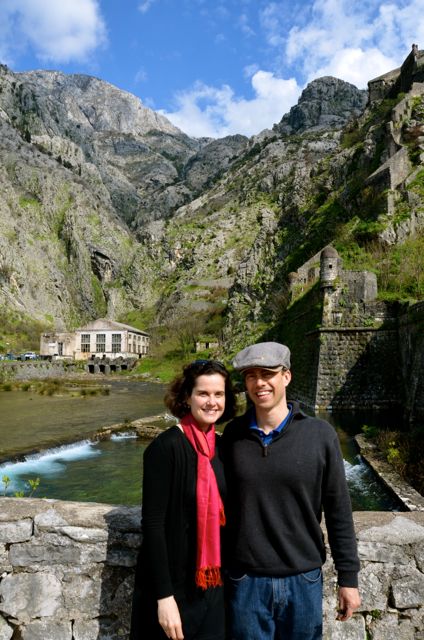
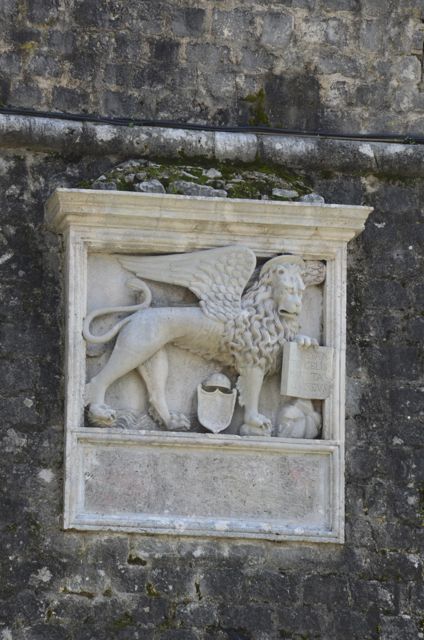
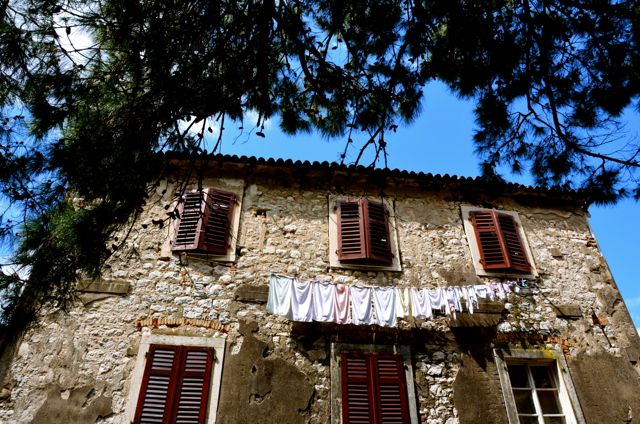
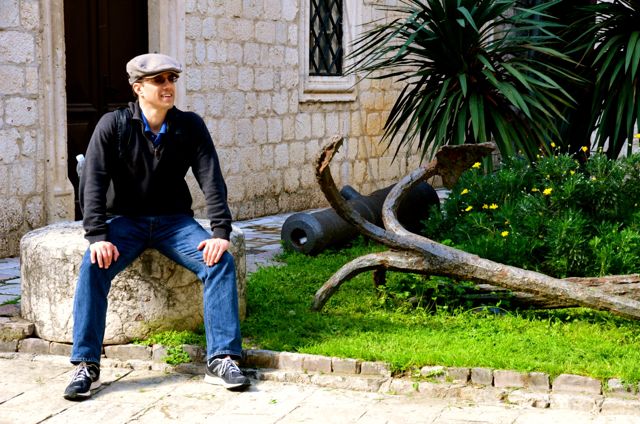
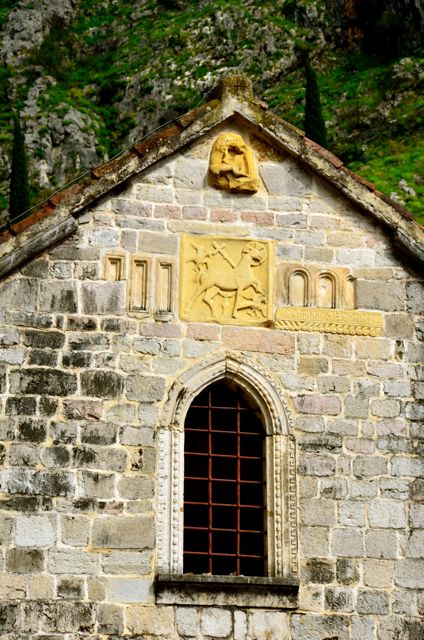
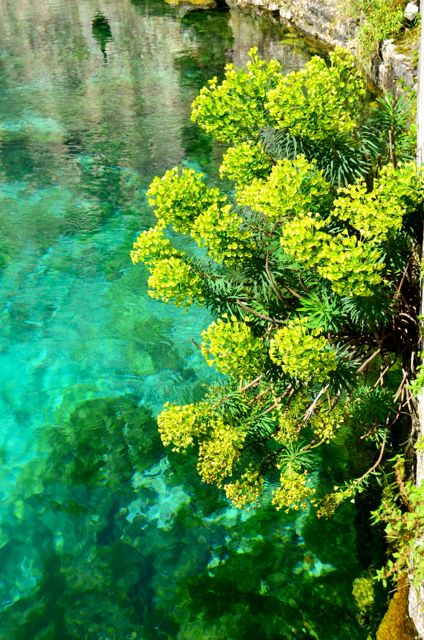
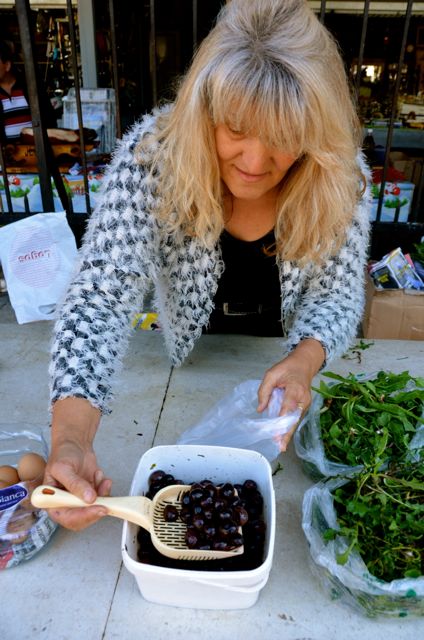
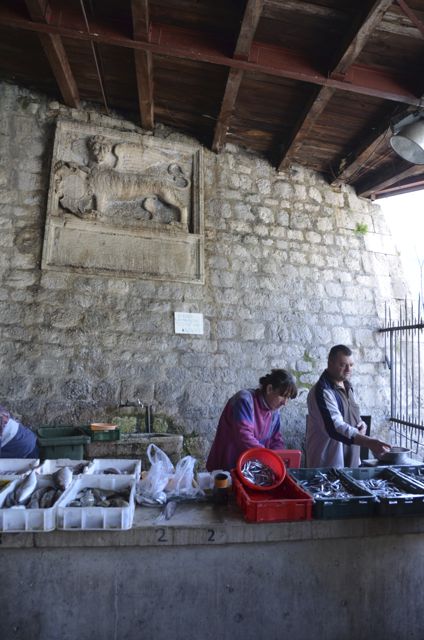
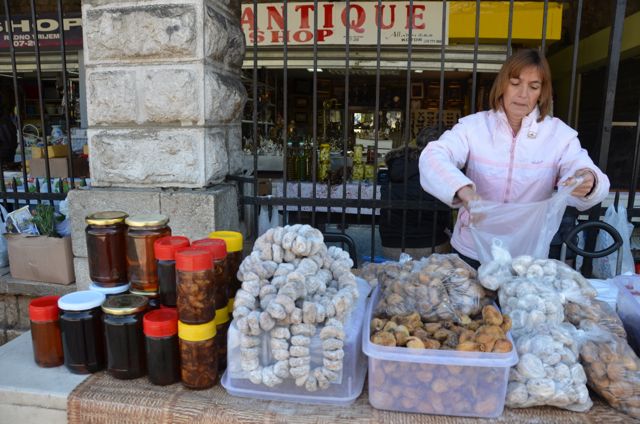
Each morning we were in Kotor, I ran down to the fresh market where vendors’ bins overflowed with dried figs, oranges, olives, a wild asparagus relative called kljuke, chubby tomatoes, and mammoth-sized strawberries that filled the palm of my hand.
I instantly took a liking to one soft-spoken vendor. He was gentle in his business approach, and sold the market’s star strawberries.
Inspired by the fantastic dish that we had in Croatia, during the afternoon of our wild asparagus foraging mission, we ate hard-boiled eggs and kljuke for breakfast, rounded off by those beautiful strawberries. Pure heaven.
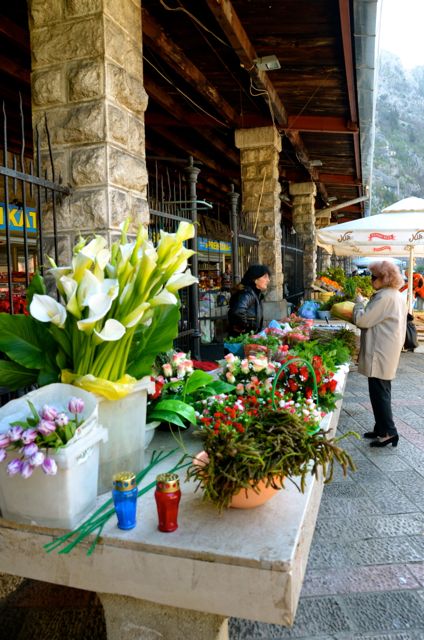
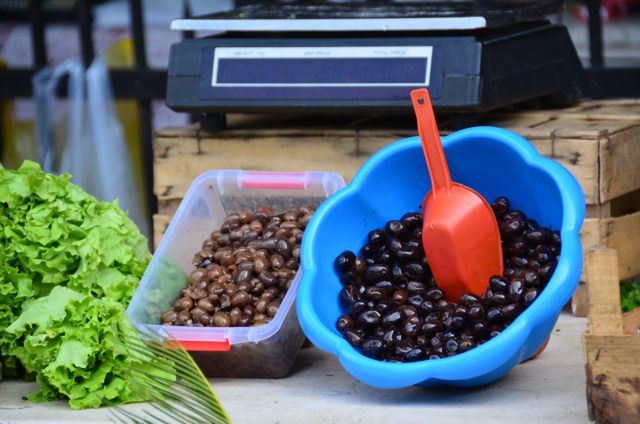
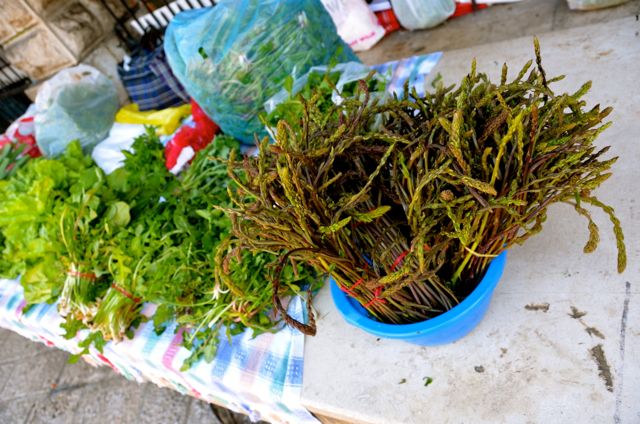
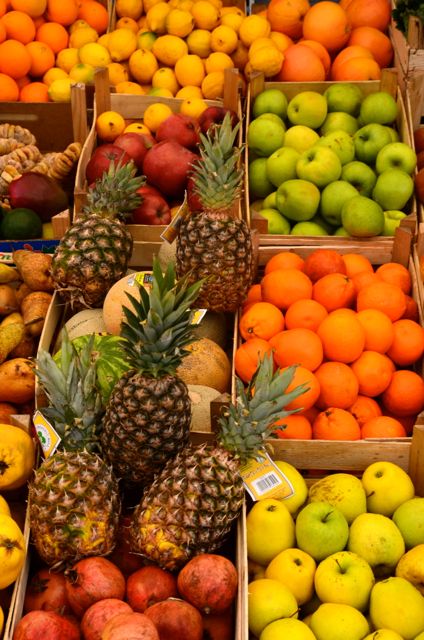

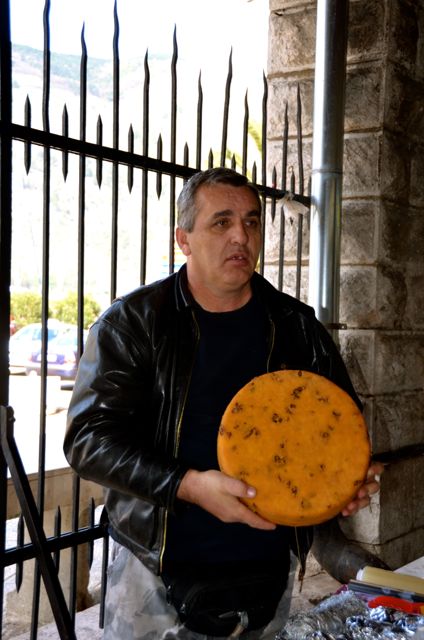
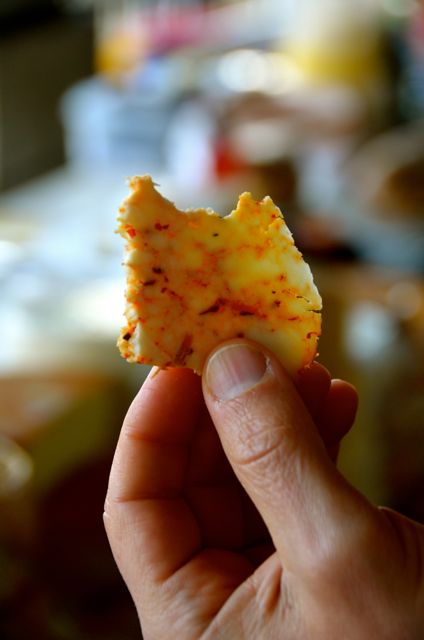
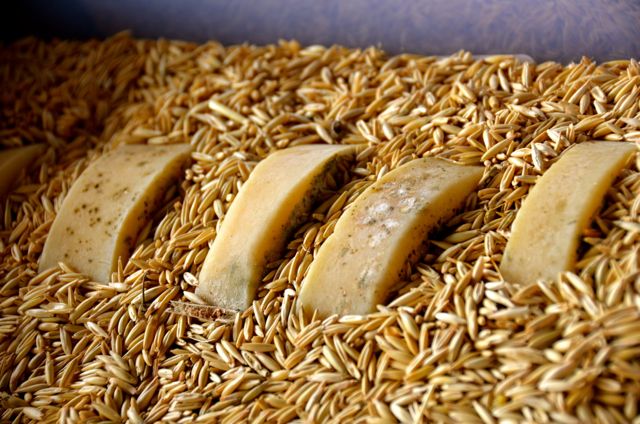
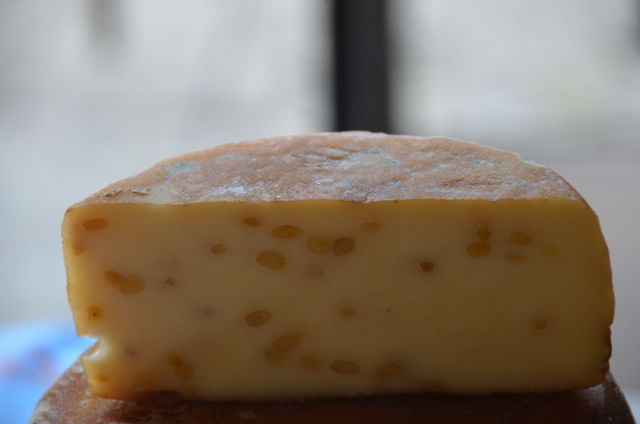
The Kotor market is not all about fresh fruits and vegetables though, as Shawn and I discovered when we met a father and son cheese-making duo. The massive rounds of homemade cheese lured us in, and we were promptly offered generous samples of homemade cheese – versions studded with blueberries, olives or walnuts, as well as more customary varieties.
Dravid’s family have been making cheese for more than a century, using Old World production methods favored by their ancestors. It turns out that their marketing methods are also traditional, as when we asked Dravid for a business card, he said that he does not have one since that would be “too commercial, too industrial,” and an approach that his grandfather would vehemently oppose.
With a blend of unique cheeses swimming in our bellies, we headed off “home” to make breakfast. Out of the corner of our eye, we spied the family’s other offerings – dried mangoes, cranberries, pears, nuts… For the sake of our waistlines, it’s probably better that we didn’t return.
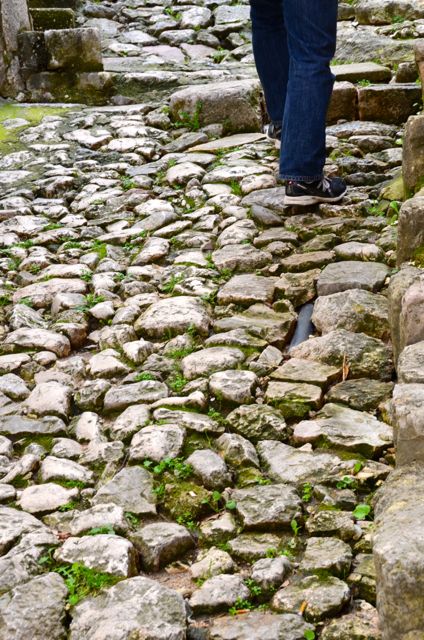
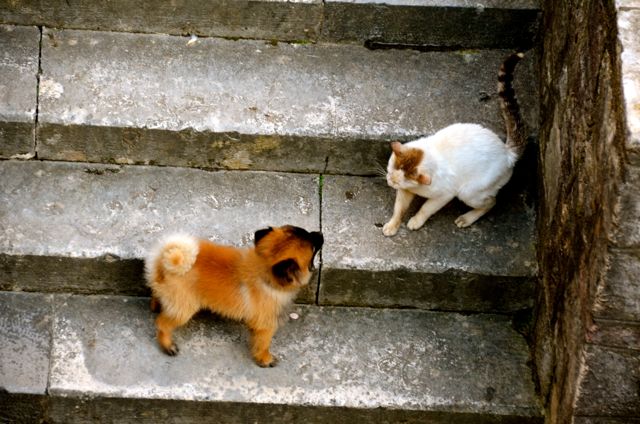
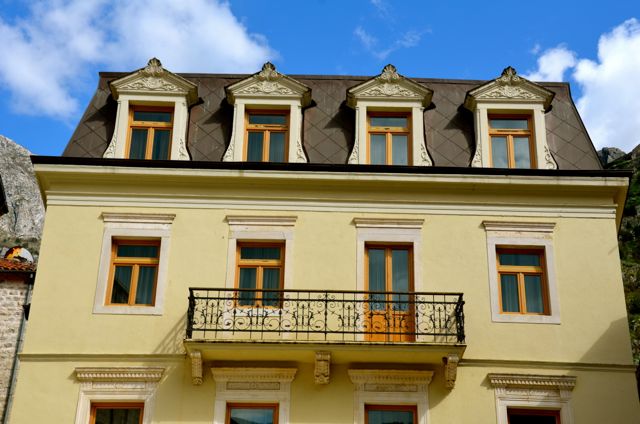
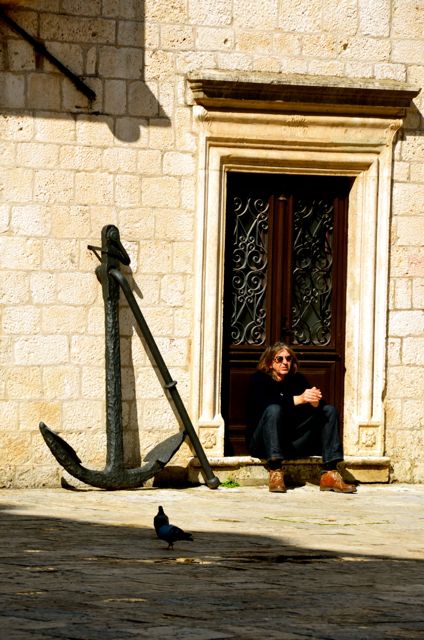
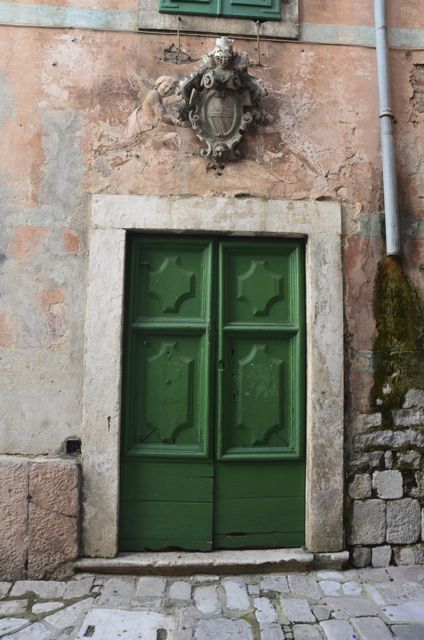
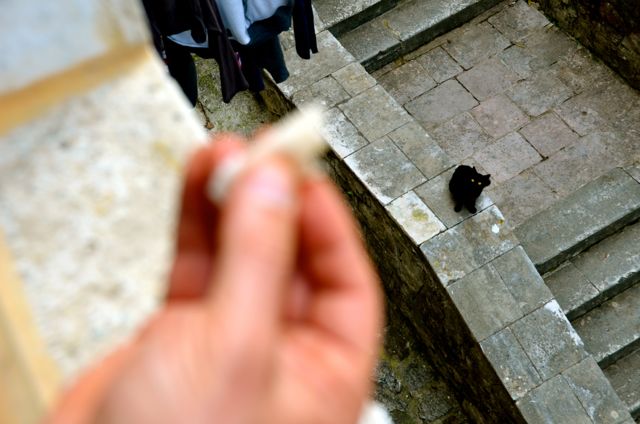
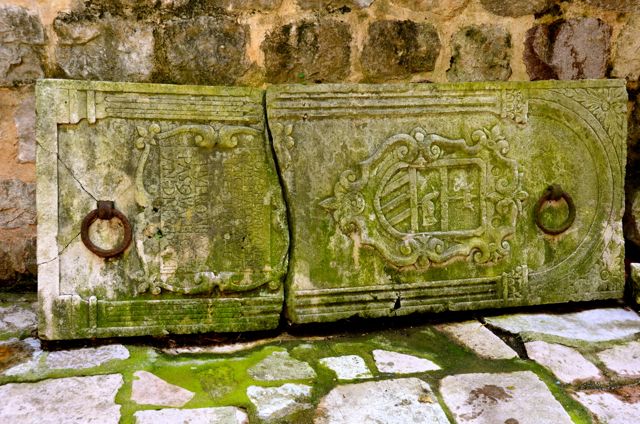
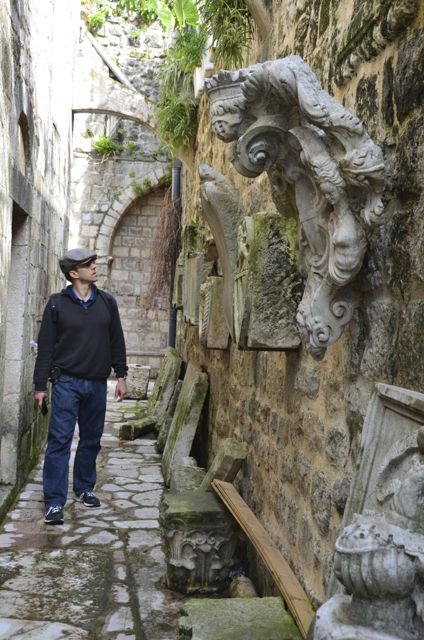
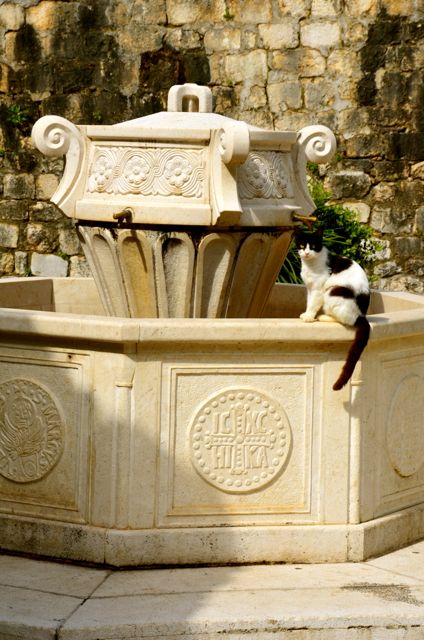
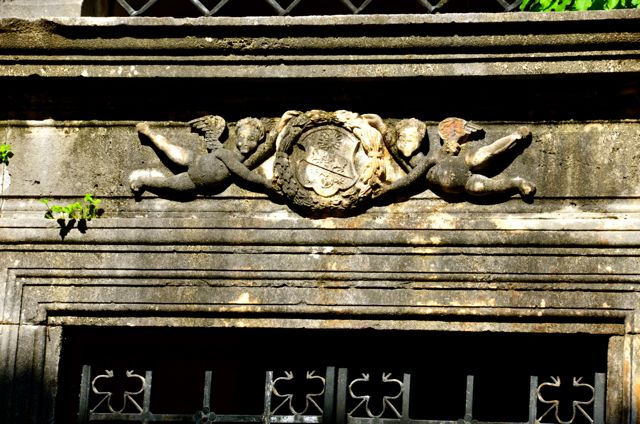
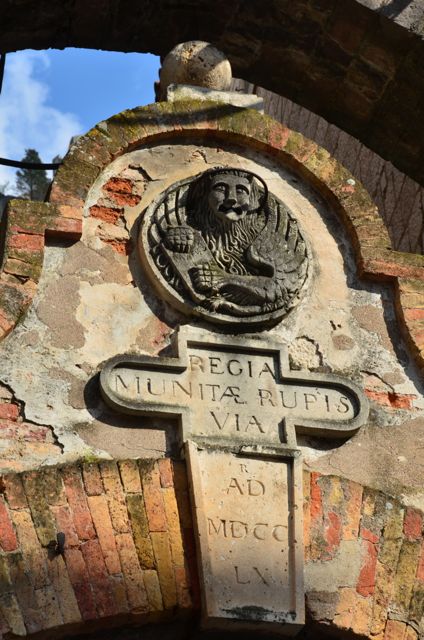
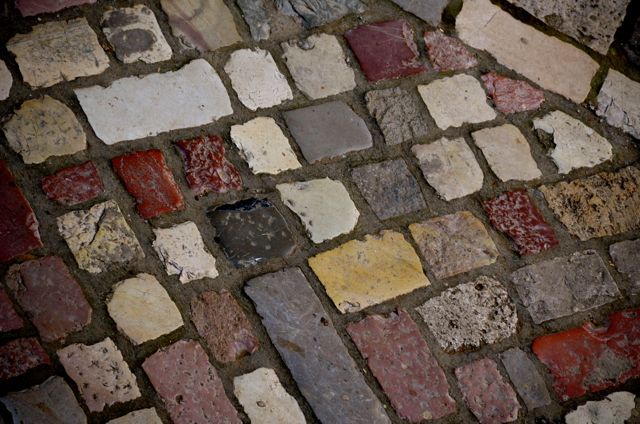
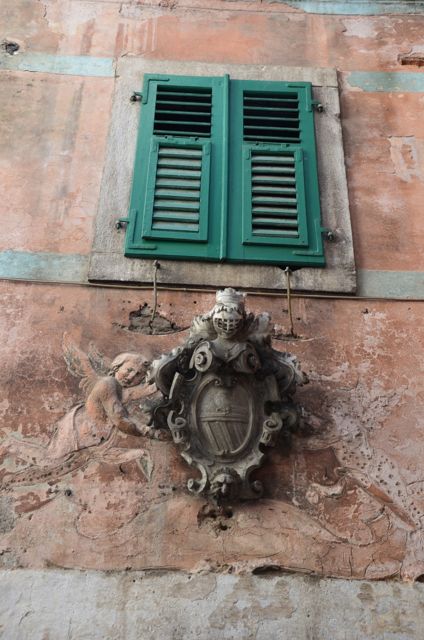
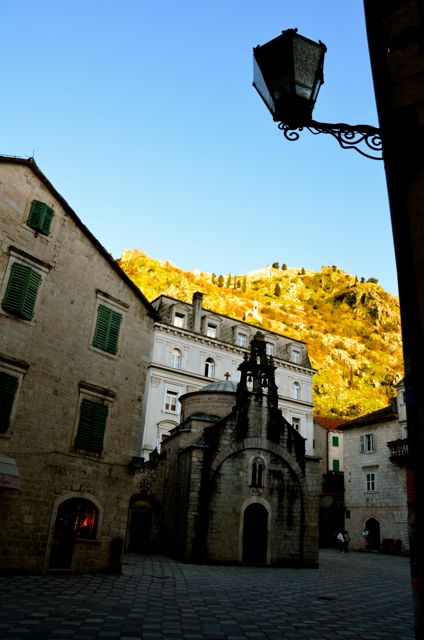
As we walked Kotor’s irregularly-cobbled streets, which are filled with intricately-carved archways and Romeo and Juliet-esque balconies from the Venetian period, we met an endless stream of stray cats. Some congregated by the city’s designated garbage spots, whereas the more savvy felines hung out directly underneath our second-story apartment’s window.
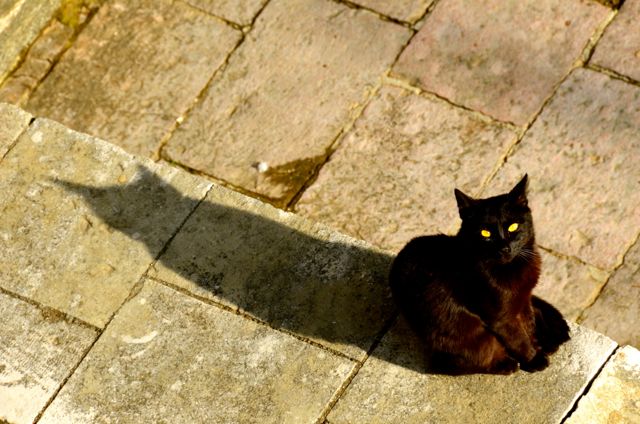
Looking out onto the stone stairwell outside our apartment windows, we became captivated by a stunning black cat, that we eventually nicknamed ‘Cat-tor.’ Whenever we opened our windows to peek out upon the old stairs and lamppost below, Cattor was there, staring at us with his enchanting yellow-green eyes. We quickly discovered why Cattor had such an intense gaze when two sets of neighbors across the street tossed him generous slices of bologna and salami. We followed suit, treating our honorary feline to a bit of turkey breast. Having seen his other benefactors in action, we were pleased that he’d be in good hands when we bid farewell to the city.
Our interactions with the people of the city were equally special. Each day, we’d hear the next-door laborers/archaeologists busily emptying soil from the shell of an old church named Franja Novog. One day, the crew stopped and invited us to take a peek inside what they said was a 1,000-year-old site. The stories about their finds inside made the site and Kotor’s history come alive. It turns out that they’d found 400 skeletons inside.
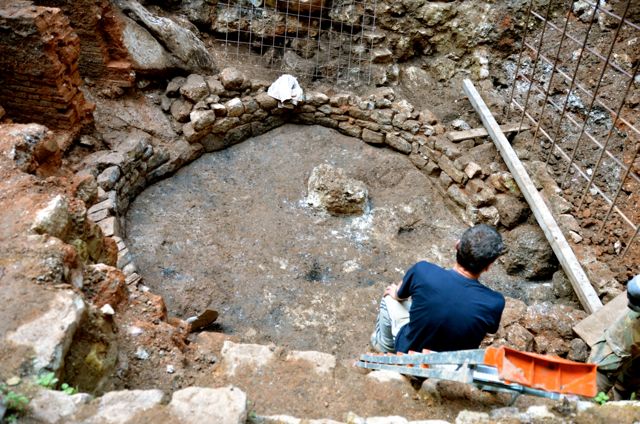
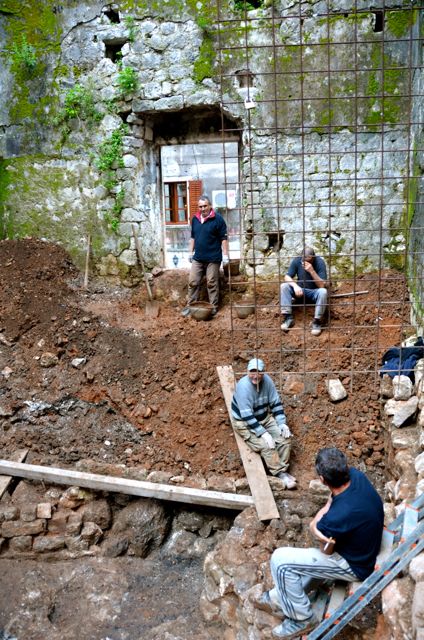
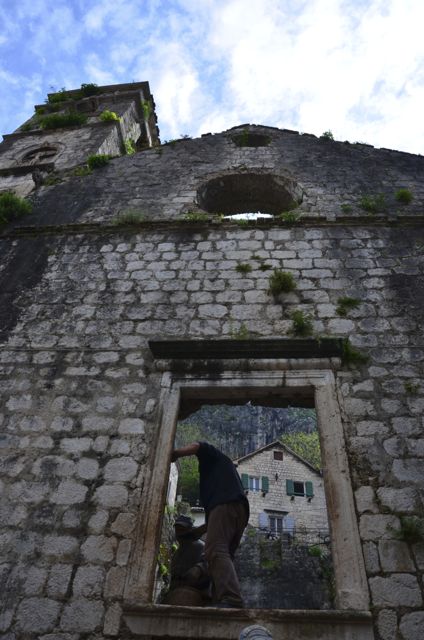
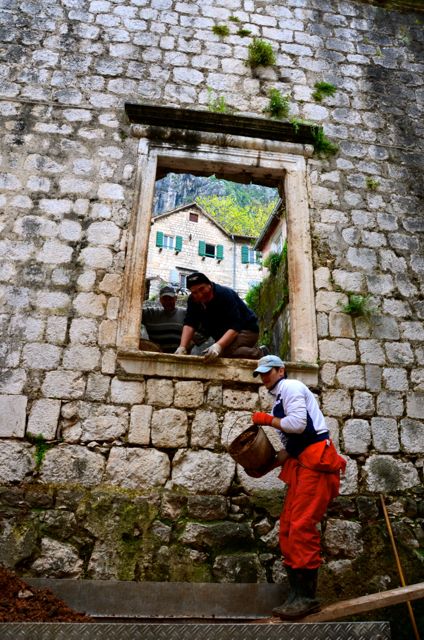
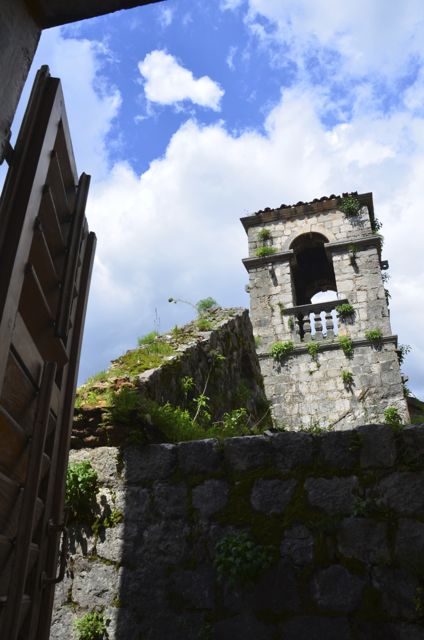
They concluded that the remains likely belonged to victims of the plague, which struck Kotor in 1572. Deep underground, they’d also found religious ruins that predated the current ancient structure. We surmised that the church probably fell victim to Kotor’s major earthquakes in 1563 and 1667. There was also a destructive earthquake in 1979. The crew’s make-up also illustrated the complexities of the region and the former Yugoslavia. They mentioned that they were from Montenegro, Serbia, Croatia and Bosnia-Herzegovina. One crew member even introduced himself as being from “Yugoslavia.”
We spent five marvelous days in Kotor. When it came time to say goodbye, I felt a bit sentimental bidding farewell to “Cattor” the cat as well as the kind market vendors who nodded, waved, and wished us well on our journey.
Where in the World?
Planning Pointers:
- Kotor is roughly 90 km (about 55 miles) from Dubrovnik, making it a popular day-trip destination. However, we enjoyed staying about a dozen days in Kotor. Ultimately starting in Dubrovnik, we traveled to Herceg Novi, then Kotor, by bus. The journey from Herceg Novi to Kotor took about one hour.
- Highlights of our time in Kotor included a day trip to pretty Perast, and a hike to the Kotor Fortress. This mini trek offered incredible views of Kotor’s Old Town, Bay of Kotor, and surrounding mountains. We started our ascent around 15:30 on an April afternoon, and our excursion lasted roughly 4 hours. We read that you can do the hike more quickly, but we like to explore at a slower pace. Next time, I think we’d start a bit earlier, so that we could maximize the springtime sunshine.
- We stayed at the Apartments Đukić (affiliate link), which are centrally located in Kotor’s Old Town (or Stari Grad). We initially stayed in the Apartments Đukić’s smaller studio apartment, then moved to be a bit larger one a few days later. In total, we stayed about 10 days in their properties. The two apartments featured all the basics that we needed, and had characteristic grey-stone walls. The employee, Stefan, was friendly and eager to help us with any questions we had about Kotor. He even allowed us to do our laundry in the apartment’s central laundry area.
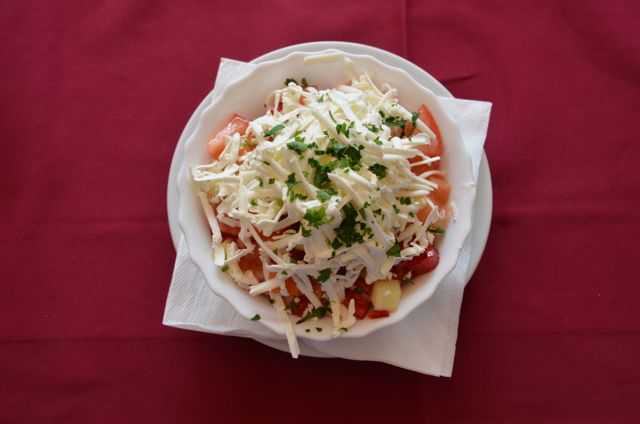
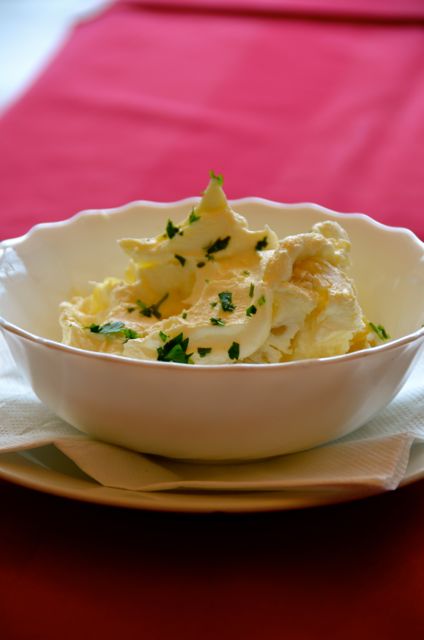
- We mostly self-catered in our little apartment, but one afternoon we ate at the Bastion Restaurant, which has locations just inside and outside Kotor’s medieval walls. The traditional Montenegrin food was fantastic! Our two dishes are pictured above.
- See Kotor’s website for more information.
Photography & text © Tricia A. Mitchell. All Rights Reserved.


Join the conversation.