
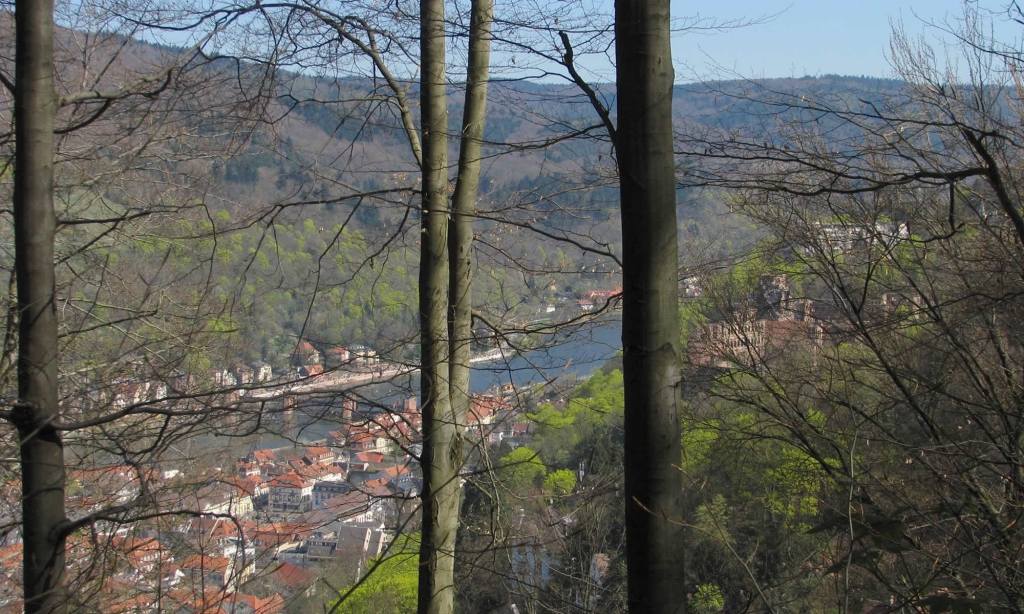
The forested hills cradling Heidelberg’s Old Town have been one of my favorite settings in which to explore and escape for the past decade. Before I met my husband, Shawn, I often made the ascent there independently to ponder life goals or jot hand-written letters to family and friends. Sometimes, I’d take friends or my parents along for the serene hike. Now, Shawn and I go there together — whether to escape the hustle and bustle of the city or to commune with nature under the trees’ exquisite canopies.
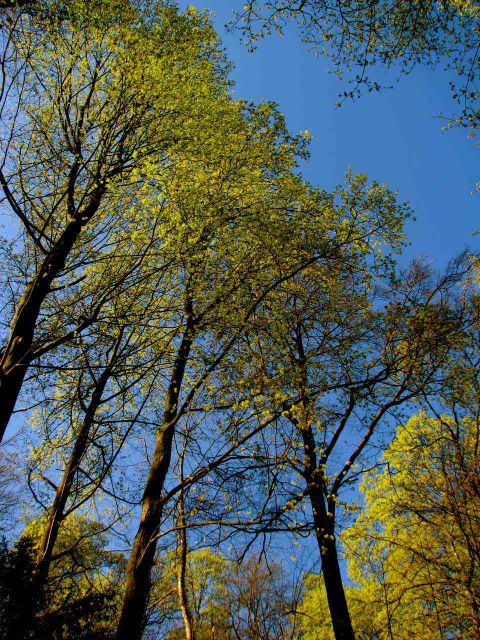


As we walk among the expansive hilly trails, I feel as though I’m a character emerging from the pages of countless books. When we encounter mushrooms or Schnecken (massive snails) on the dirt pathways, I’m in a Brothers Grimm fairy tale, whereas when I push back branches for a glimpse of the ruins of the Heidelberg Castle, I’m then tiptoeing through a Sherwood Forest-esque canopy of covered lanes. It is such a magical place.


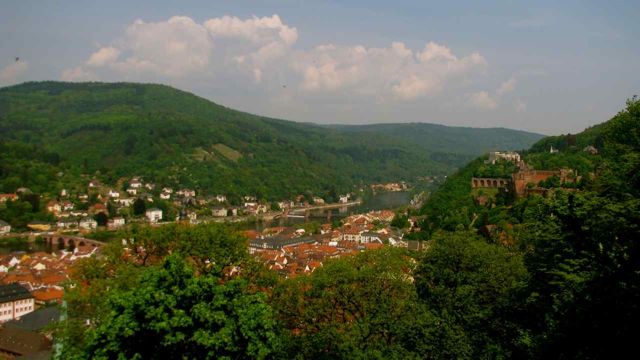
At our first rest spot is a wooden bench with one of the best views of Heidelberg’s Old Town. Known for their expert foresting techniques, Germany’s caretakers of nature have pruned the trees there just enough so that it’s still possible to see the windy cobbled lanes, terracotta rooftops and miniature people populating the homes and businesses below. At times, the city’s soundtrack will commence, be it a choir of church bells tolling or the street performers belting out a tune on a saxophone or violin. Heidelberg’s Neckar River valley has superb acoustics!


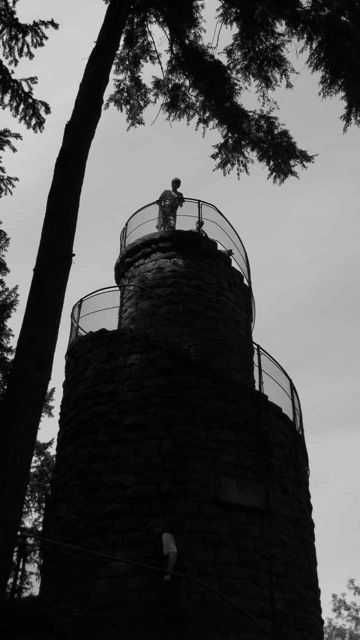
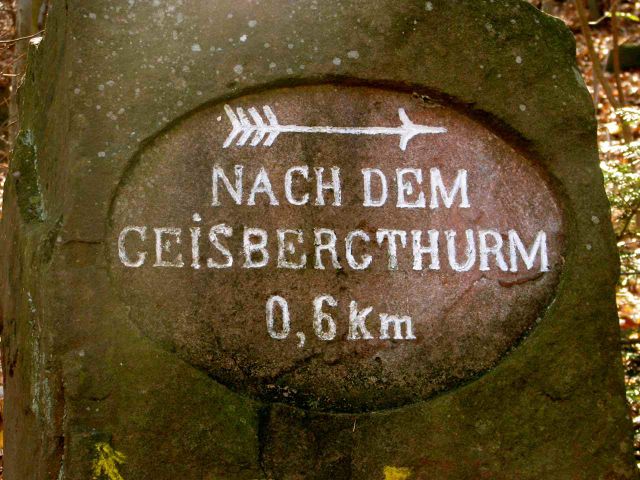
Meandering further uphill, we approach the Gaisbergturm, a spiral tower that was built in 1876. The tower’s staircase, which winds around its exterior, drew its inspiration from the famous Lighthouse of Alexandria that illuminated the Egyptian city’s harbor in ancient times. We typically ascend the Gaisberg Tower’s 85 stairs for a beautiful view of Heidelberg.



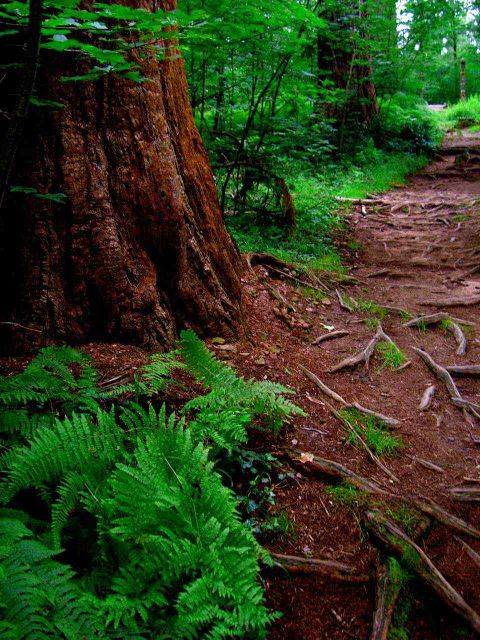
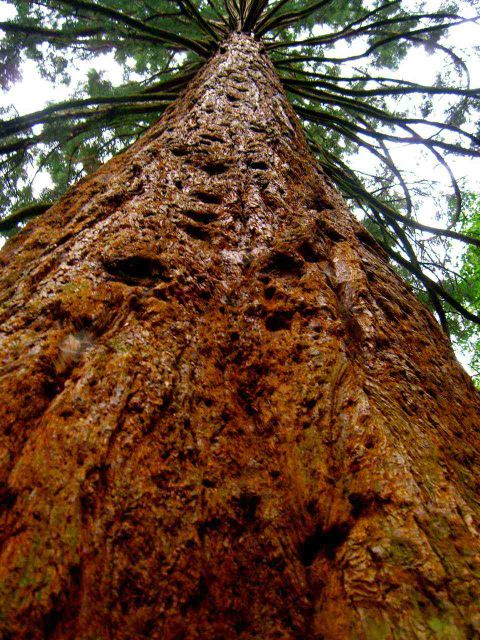
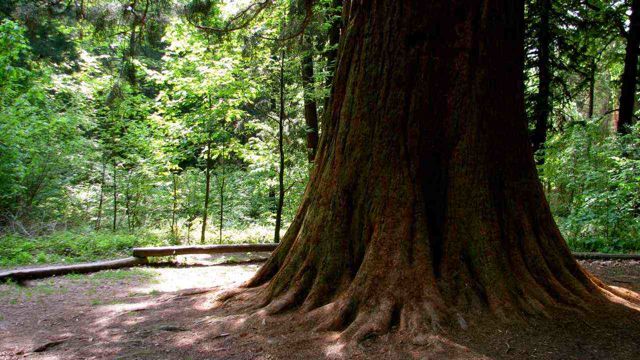
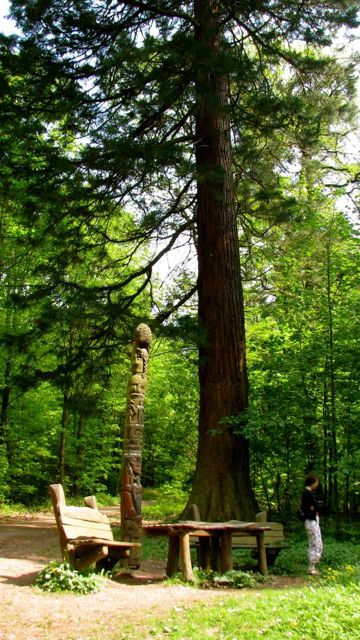
A day’s climb is not complete without exploring Heidelberg’s Arboretum (below the Königstuhl or ‘King’s Seat’), where more than 135 years ago, Heidelberg’s Forest Society planted saplings from around the world. I’ve spent many hours relaxing on the Redwood benches under those wise old trees, the most prominent of which are Mammutbäume (literally ‘mammoth trees’ or Redwoods).


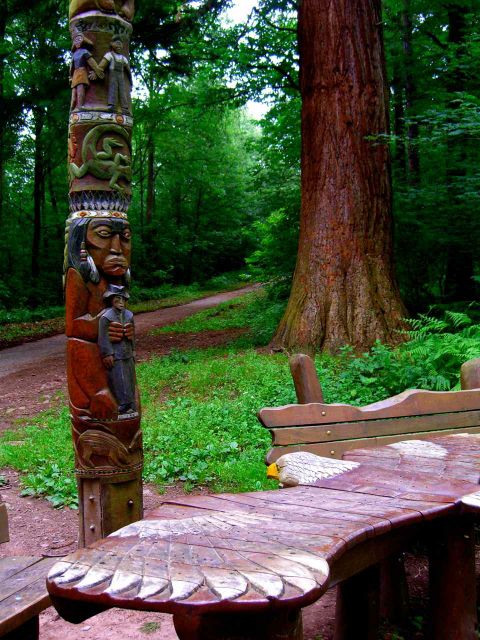
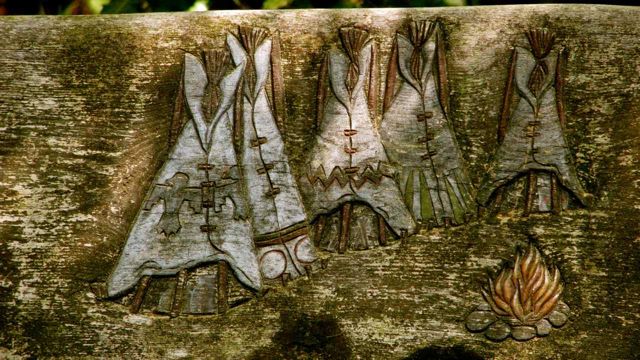
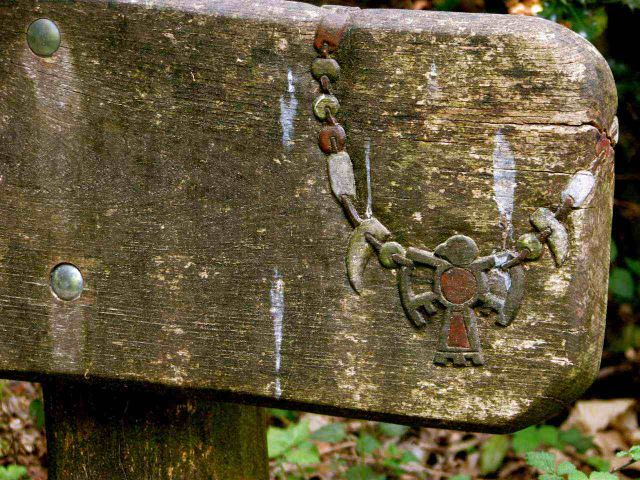
Along with the Redwoods, other trees from North America, Asia and North Africa were planted more than a century ago. Embellishing the natural beauty of this spot are a totem pole, picnic table and benches crafted out of Redwood; the forest’s furniture features Native American motifs that focus on man’s harmony (and disharmony) with nature.




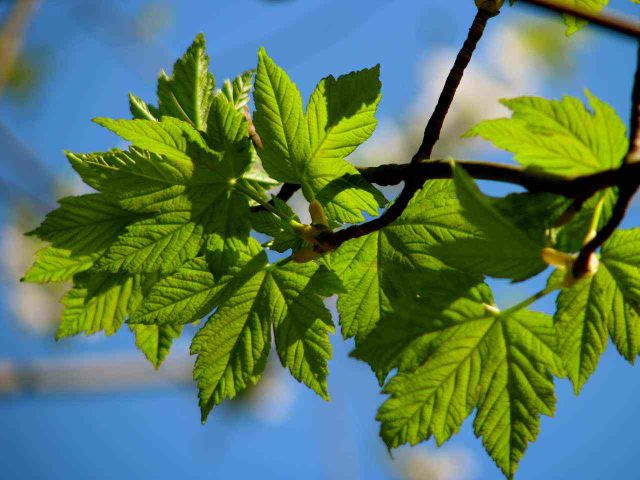


Young and old, furry, friendly and potentially unfriendly roam these hills. In the past decade, I’ve seen deer, red squirrels and on a fear-provoking note – a wild boar! The boar sighting came several years ago when I was on a solo hike, just after sunrise. As I approached the Arboretum, ahead of me I saw the silhouettes of a mother boar with her babies in tow. The little ones were in a neat little line. Frozen with fear, I paused, wondering what I should do. Instinctively, I scanned the forest for an escape route and vowed to scale the tree should the protective mama rush towards me. (Earlier that spring, I’d read of a sick wild boar attacking a vehicle in a neighboring forested area.) Fortunately, each party respected the other. Knowing that I’m lucky to have escaped without harm, I haven’t gone up into those woods hiking solo during springtime’s early morning hours ever since!
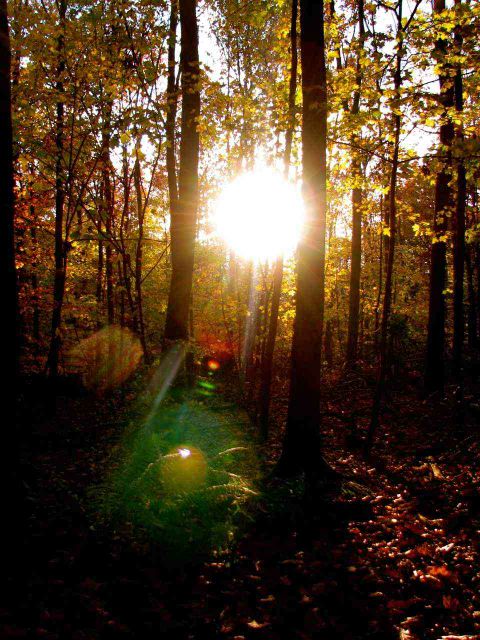


Several months ago in a quiet spot below the Redwoods and Arboretum, Shawn and I planted a tiny evergreen tree that held ornaments at our winter wedding the previous December. Nicknamed Ritter or ‘knight’ (after the Hotel zum Ritter, where our wedding dinner was held), the little tree had to endure a dramatic range of weather during its first months growing in the wild. Whenever our schedules allowed, we trekked up into the hills to see Ritter and we were saddened when the evergreen appeared weaker with each visit. We have not been up to see the little tree for several months, however, we have vowed that if he did not survive the summer months, we will someday plant another to keep Heidelberg’s beautiful forest going strong.


Planning Pointers:
- While exploring these enchanting hills, be wary of deer ticks among the foliage; here are some deer tick avoidance tips. Mountain bikers are also known to plow down these trails at Autobahn-like speeds. While most bikers I encountered were respectful of hikers, be cautious so you don’t get hit.
- This Königstuhl map, which includes the arboreta (international tree collections), is helpful. And should you end up off the main trails, don’t despair because the Germans – known for their knack at creating extensive signage – have placed markers on boulders and tree trunks to guide even the most navigationally -challenged hikers, myself included. :)
- For more information, see Heidelberg Arboretum – World of Trees website.
Photography & text © Tricia A. Mitchell. All Rights Reserved.


Join the conversation.