
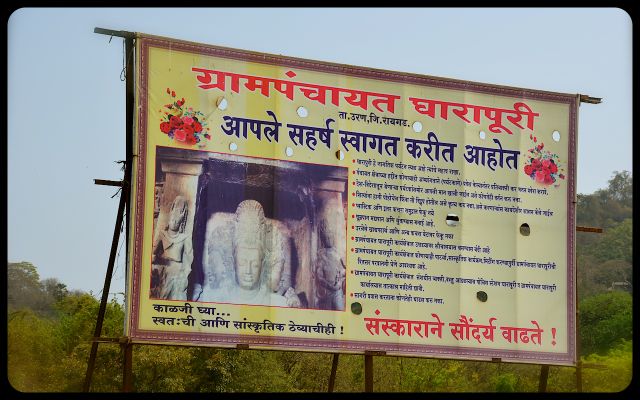
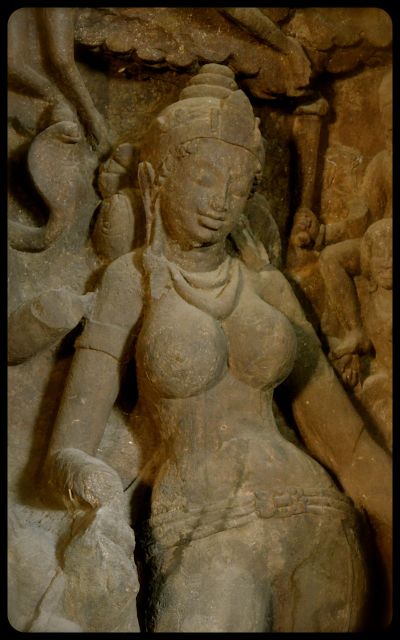
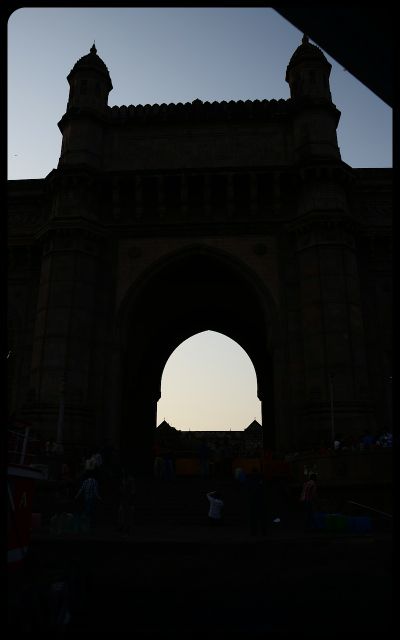
Wanting to escape the hustle and bustle of manic Mumbai, we boarded a boat at the city’s Gateway of India monument bound for Elephanta Island. The island’s former name Gharapuri (meaning ‘place of caves’) is fitting given Elephanta boasts numerous caves with elaborate Hindu and Buddhist carvings – considered to be some of the finest in India. They’re thought to have been created and carved between AD 450 and 750.
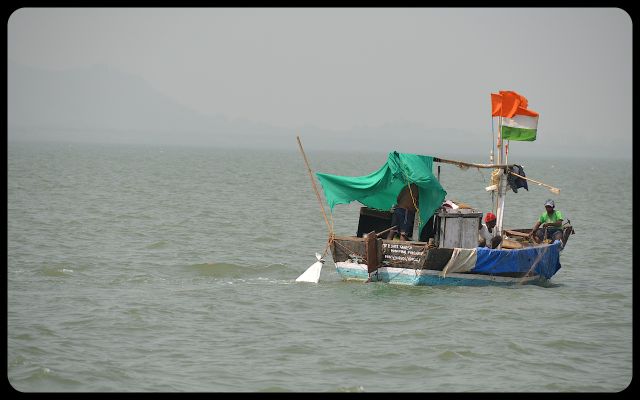
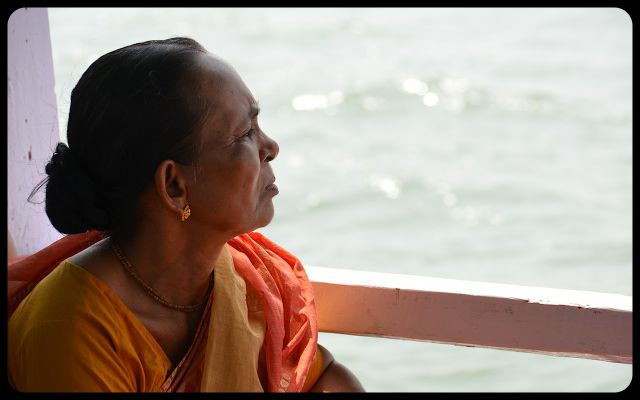
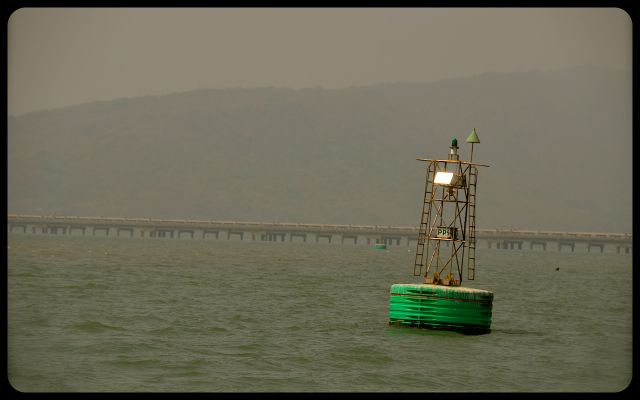
During the boat ride on the Arabian Sea we spotted massive Indian naval vessels, crowded passenger ferries, and a sea of plastic rubbish. A man sold chai and spicy snacks onboard while we and other passengers allowed ourselves to unwind.

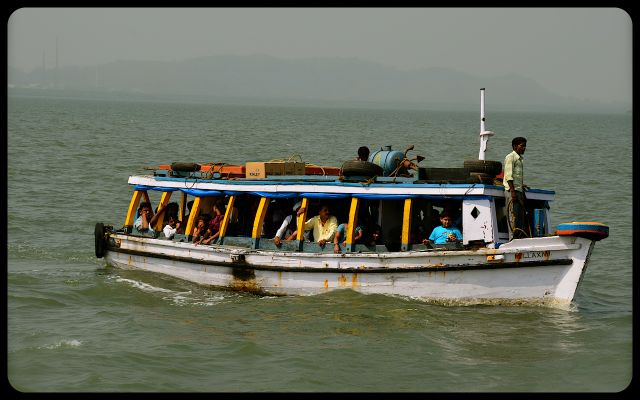
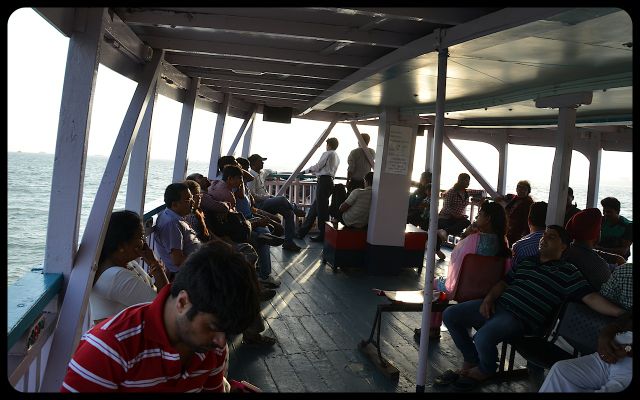
After an hour gliding on the water our boat docked at lush Elephanta, which is heavily carpeted with mango and palm trees. Having read that macaques inhabit Elephanta Island in large numbers, we couldn’t resist bringing our trip mascot Mango the Monkey along.

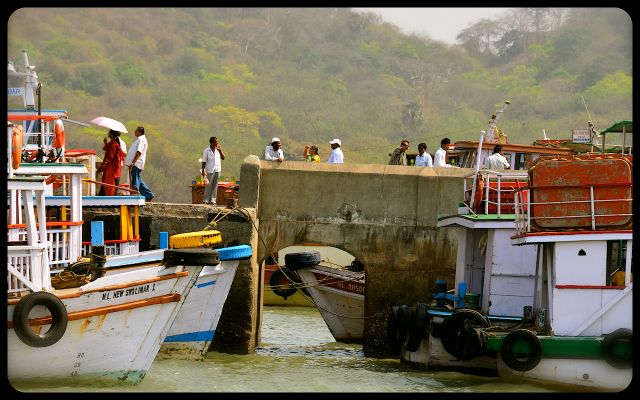
Opting not to take the miniature tourist train from the docking area to the base of the hill leading to the caves, we walked on a sizzling concrete lane. The sun was ablaze overhead, but we enjoyed conversation with a young boy who was eager to show us a catch of tiny fish in his bicycle’s basket. Ladies in sparkly saris joined us on the walkway, as did vendors selling corn on the cob. We also learned that it was the Portuguese that renamed the island Elephanta because of an enormous elephant statue that was once at a cave’s entrance. They’d tried to take this statue home but it sunk to the bottom of the sea given their inadequate chains. Later the British moved the statue to a Bombay museum.
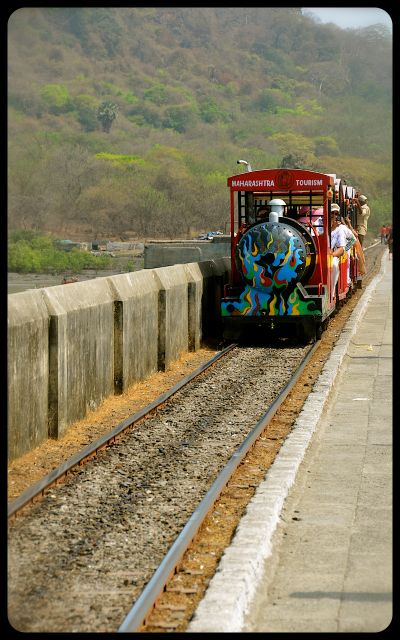

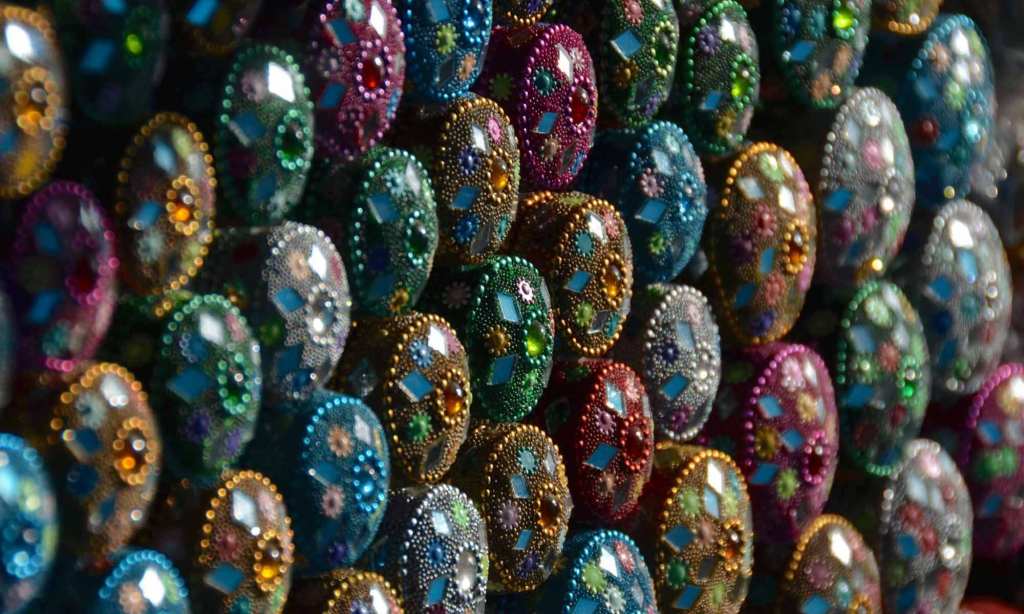
Our ascent on a long series of stairs – past souvenir salespeople marketing carved teak, glittery boxes, and Indian bronzes – was rewarded with a glimpse of the first cave. Again, we deflected opportunities for alternate forms of transportation, this time in the form of porters who would have carried us up on special chairs for 500 rupees or about $10 USD.


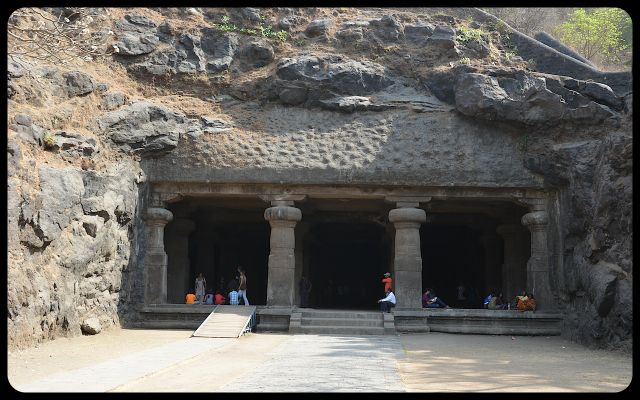
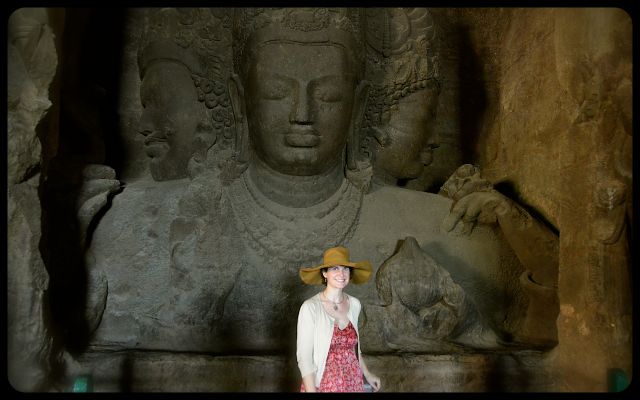
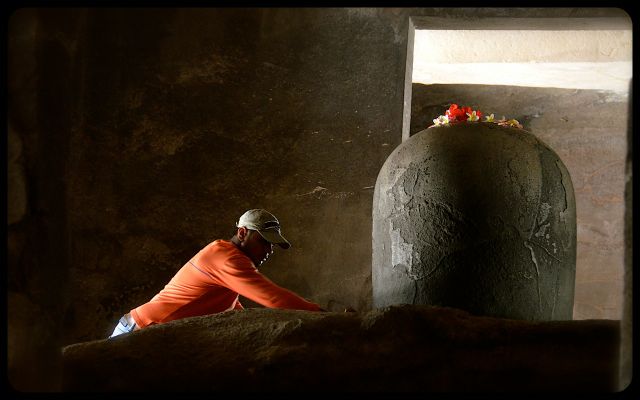
The first cave on Elephanta Island is dedicated to Shiva, who is viewed as the universe’s creator, destroyer and preserver. A massive three-headed rendition is featured prominently in the cave.


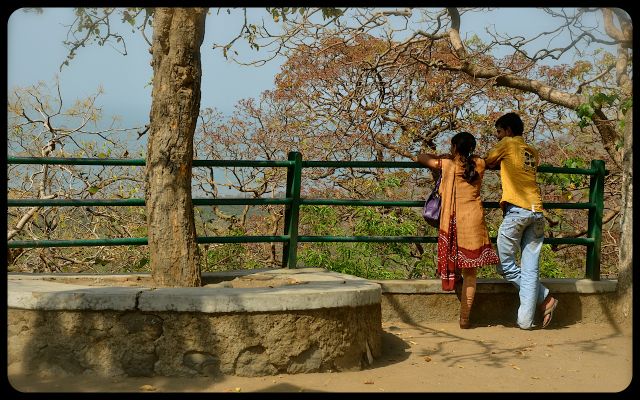
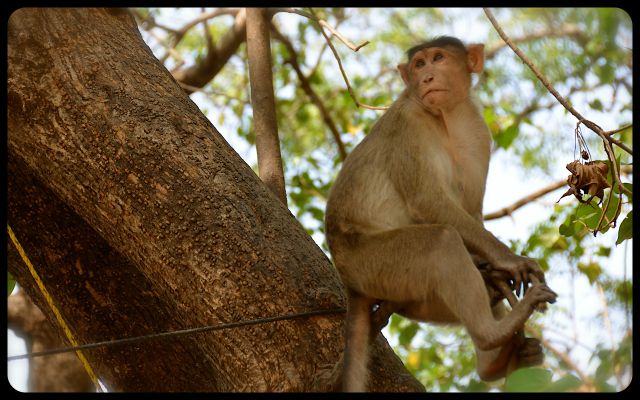
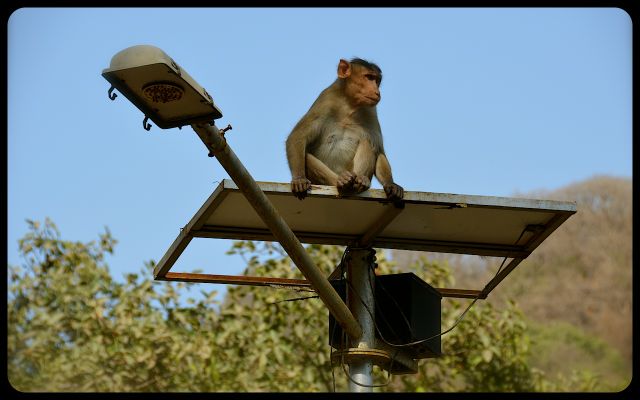
Outside, mischievous macaque monkeys pilfered bottles of juice and potato chips, in between grooming rituals and playing hide & seek and tug-o-tail. We stowed away our sunglasses and little Mango for fear that they might be stolen by the monkeys as playthings.



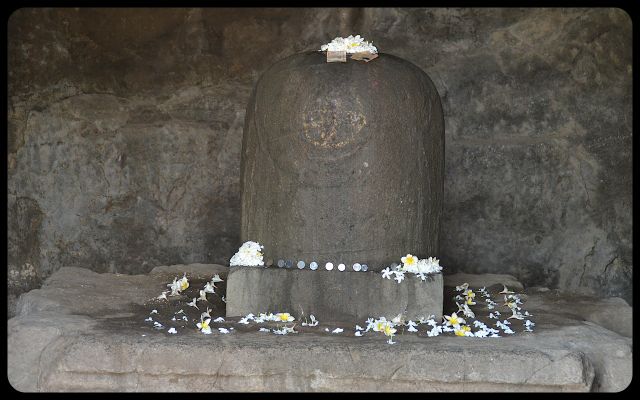
Seeking to escape the heat and absorb more Indian culture, we strolled about from cave to cave on the island. Some visitors left offerings at shrines.




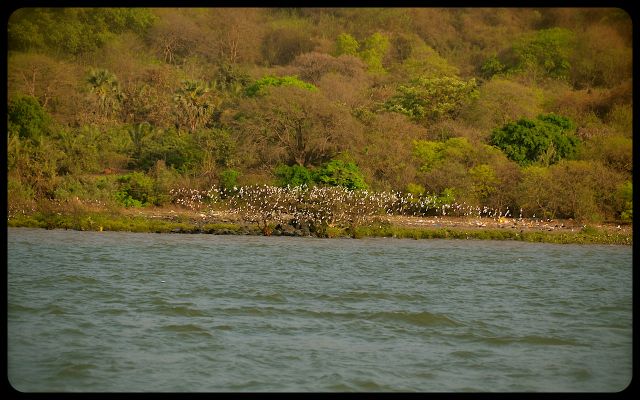
The hours passed swiftly and before we knew it, it was time to rush back to the dock to make it onto one of the last boats bound for Bombay. We could not have timed our return better for the Arabian Sea was sparkling, reflecting the sun’s late afternoon rays. Flocks of snow white birds gracefully soared, as if they were flirting with the water.
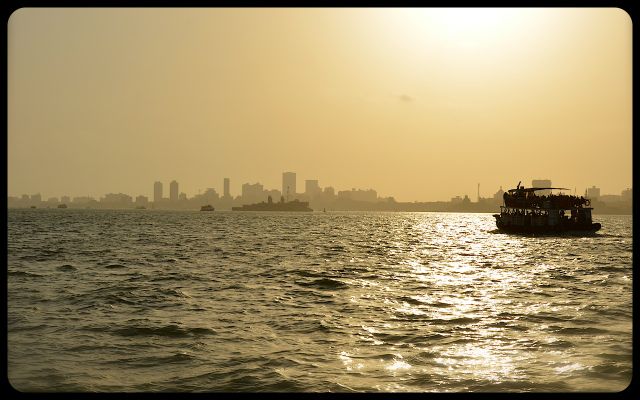


We were eager to see the silhouette of the Gateway of India and the Taj Mahal Hotel for the formidable structures would signal our return to Mumbai. Though we’d left the city of 18 million feeling overwhelmed, we returned in a relaxed state – thanks to our Elephanta Island getaway.


Where in the World?
Planning Pointers:
- To reach Elephanta Island, catch a ferry by the Gateway of India. The ferry ride takes about 30 minutes each way.
- Need more inspiration as you plan your travels in India? This link contains an index of all my posts from India.
Photography & text © Tricia A. Mitchell. All Rights Reserved.


Leave a reply to rigmover Cancel reply