
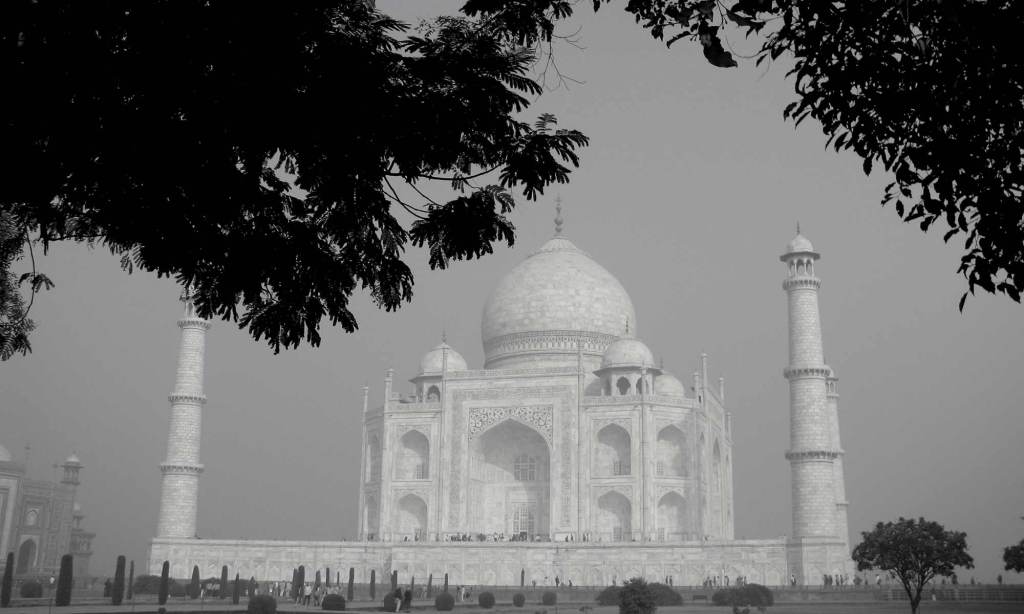
You’ve undoubtedly seen images of the Taj Mahal many, many times. Still, nothing can quite compare you for your first glimpse of this marvelous mausoleum.
On the morning I planned to visit, I woke up with the roosters. It was my first time in India and I was determined to arrive before thousands of additional visitors joined me.
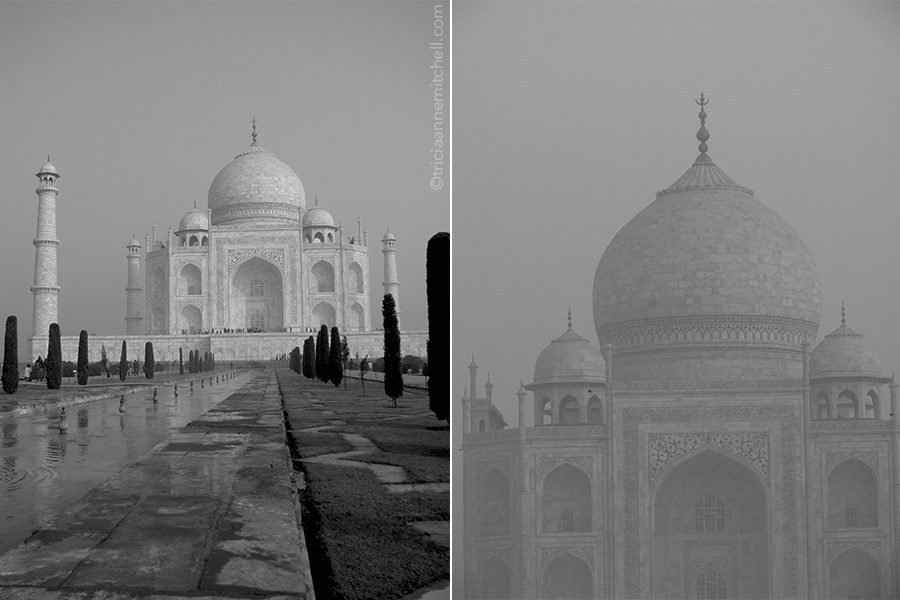
After passing through the Taj’s turnstile, I sat on a bench in front of the reflecting pool and watched how the light changed the marble’s color. It gradually transitioned from a shrimp-colored hue in the morning to a pristine white by mid-day.
However, I didn’t always have such a romantic perception of this great monument dedicated to love. In fact, I once confused the Taj Mahal with a monument dedicated to corn.
When I was eight years old, my parents and I, accompanied by our German friends, embarked on a trip to the Western United States. We stopped at Yellowstone Park and Mount Rushmore. Eventually, we made it to Mitchell, South Dakota, the home of the Corn Palace.
The Corn Palace was originally built in 1892 and served to showcase the fertile soil of South Dakota. Today, the palace lives on and features maize-adorned murals. With domes and pointed towers, its architecture is reminiscent of the Taj Mahal — at least in the eyes of an eight-year-old.
After touring the palace of corn as a child, I later saw a picture of India’s gem. I excitedly remarked to my mother, “Look! Look! It’s the Corn Palace!”
Memories of that childhood blunder were with me that day in India, as I marveled at the Taj Mahal.
As the afternoon sun wore on, the pristine white marble began to take on hints of a new yellowish color — remarkably similar to corn.

Where in the World?
Photography & text © Tricia A. Mitchell. All Rights Reserved.


Leave a reply to Christina Cancel reply