
On the eve of December 6th, when I was a child, I placed my shiniest shoes in front of my bedroom door, anticipating the arrival of St. Nicholas. The next morning, I eagerly popped out of bed, delighted to find my footwear stuffed with oranges, Christmas cookies, chocolates, and tiny trinkets. St. Nick didn’t visit most of my classmates’ homes but I suspect he visited mine because of my family’s German ancestry.
Last night, in homes throughout Germany and other corners of Europe, many children prepared for Sankt Nikolaus’ arrival in much the same way as I used to. Legend has it that ‘good’ children will find their footwear overflowing with sweet treats and small toys. Naughty kids, on the other hand, are only gifted a bundle of twigs.


Santa Claus is believed to have developed from this custom, with stockings overtaking shoes as a vessel for holiday goodies.
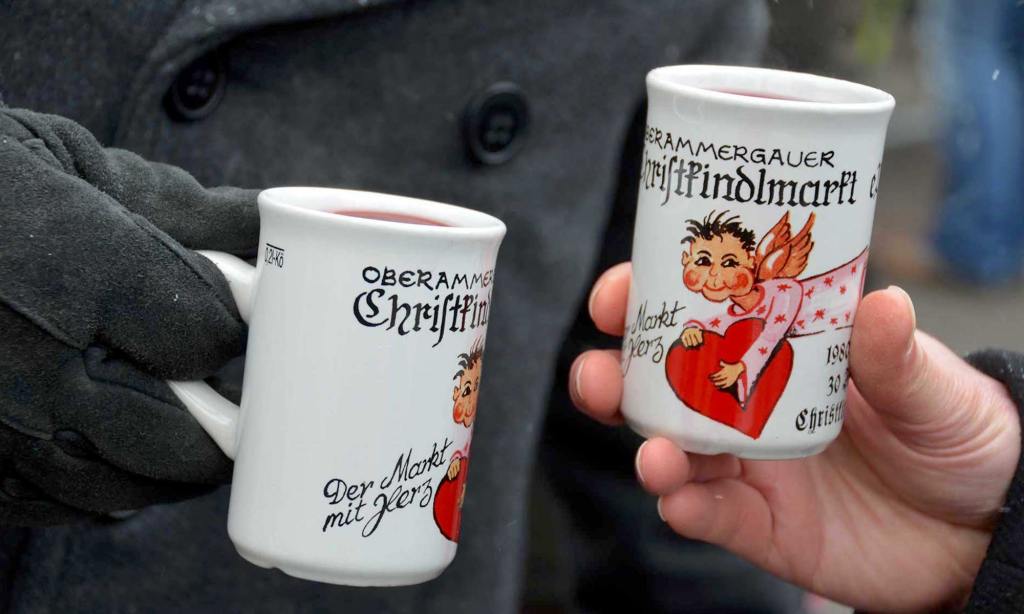
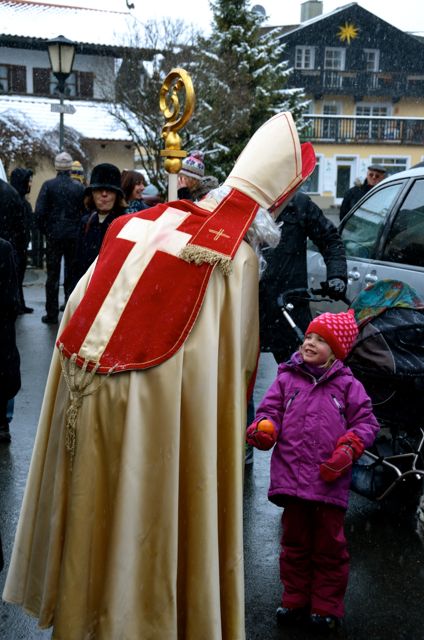
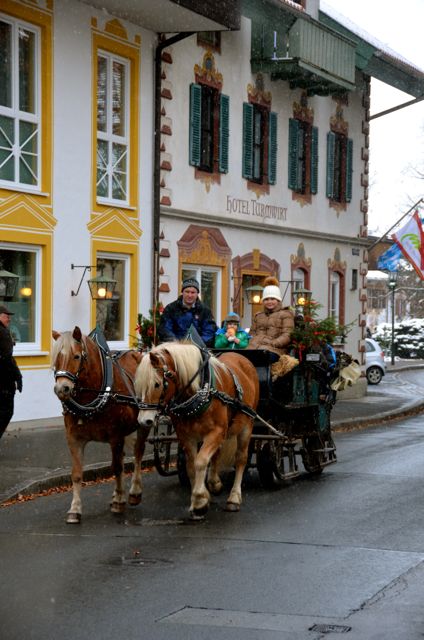
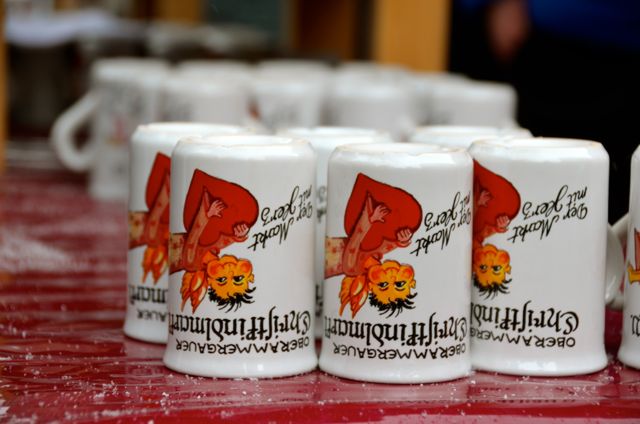
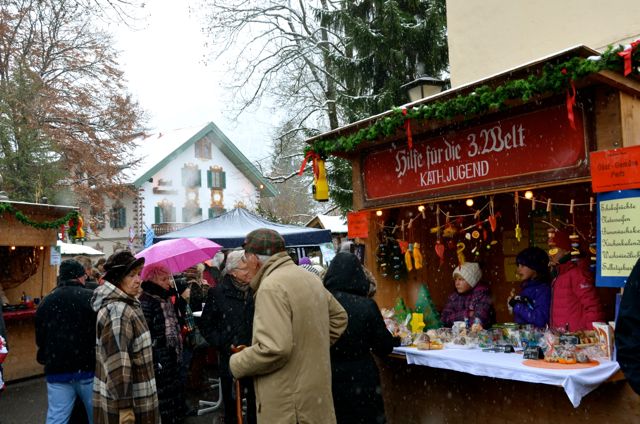
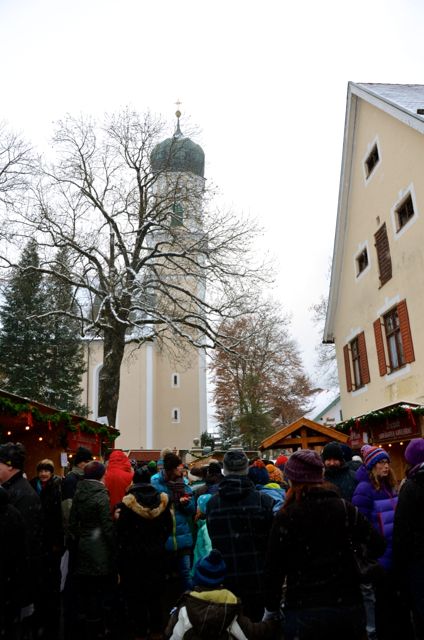
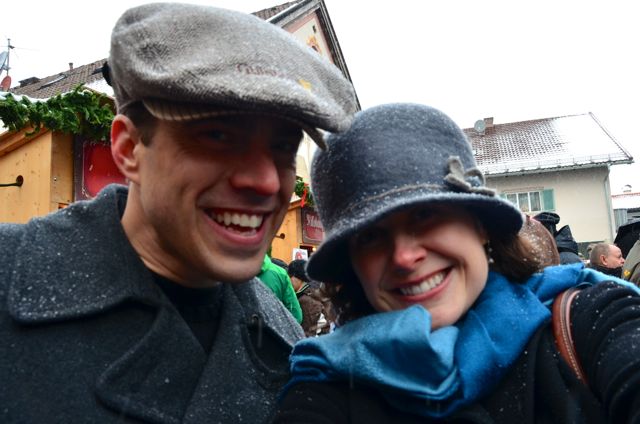
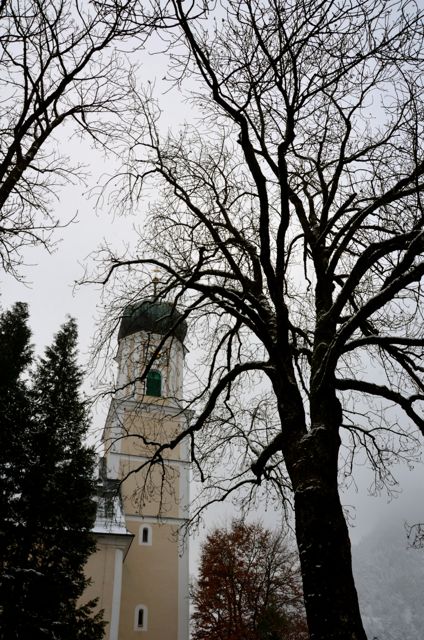
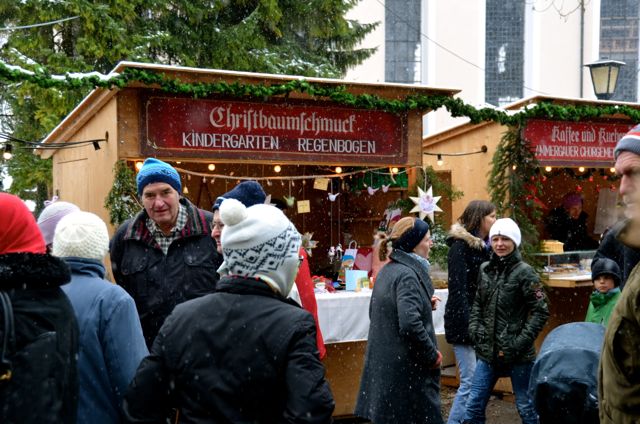
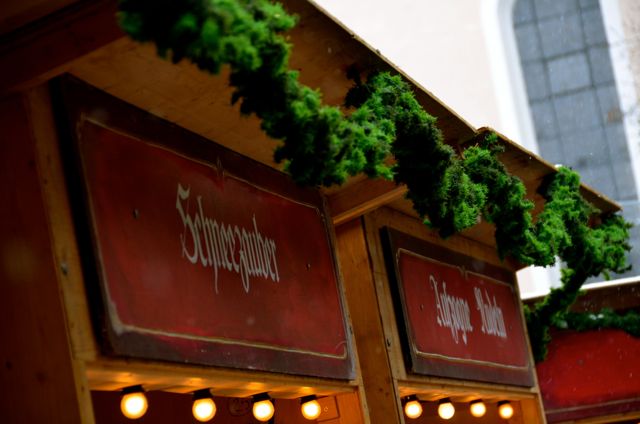
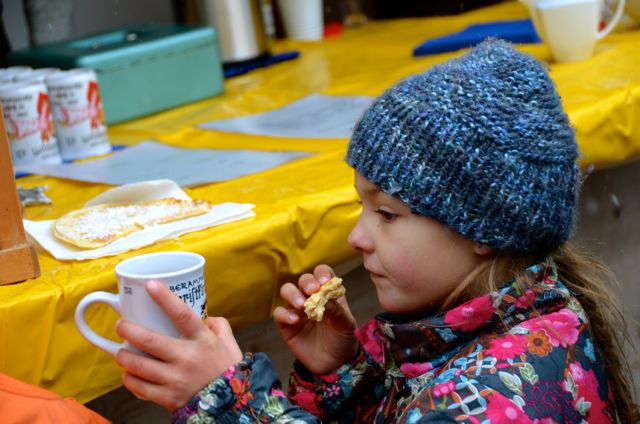
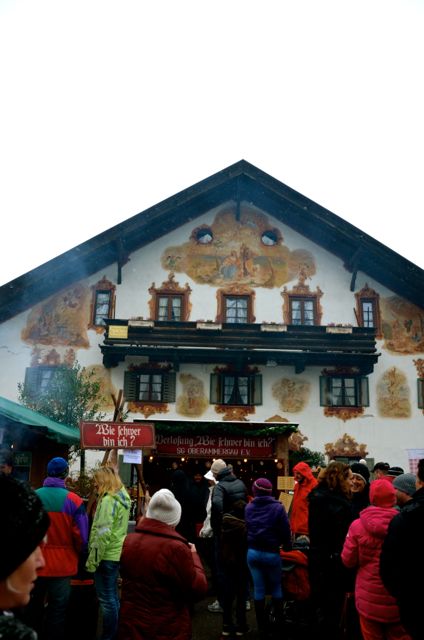
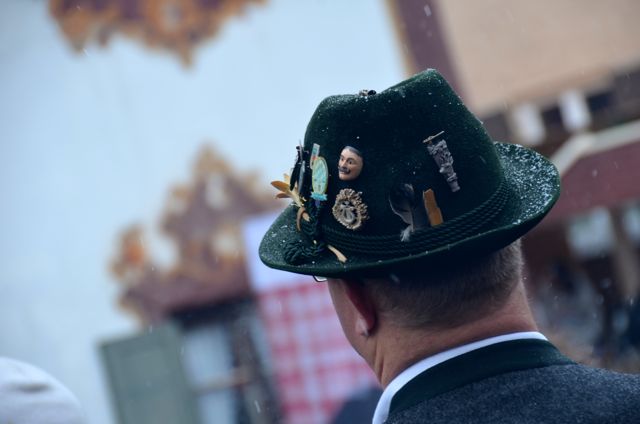
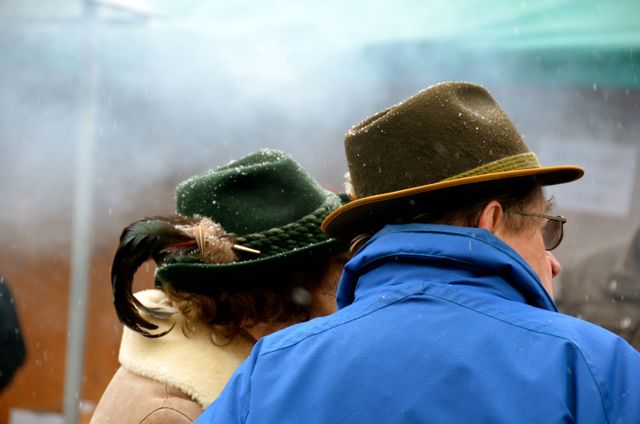
This past weekend, we had our first sighting of St. Nicholas, braving frosty weather to partake in Oberammergau’s Christkindl Market fanfare. While a choir sang holiday tunes in German and English, revelers warmed their hands by swirling mugs of ruby-red Glühwein (literally ‘glow wine’ — a hot, mulled wine beverage with red wine and spices).

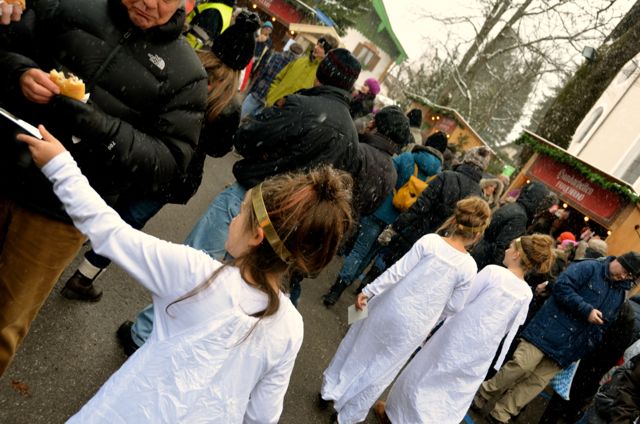
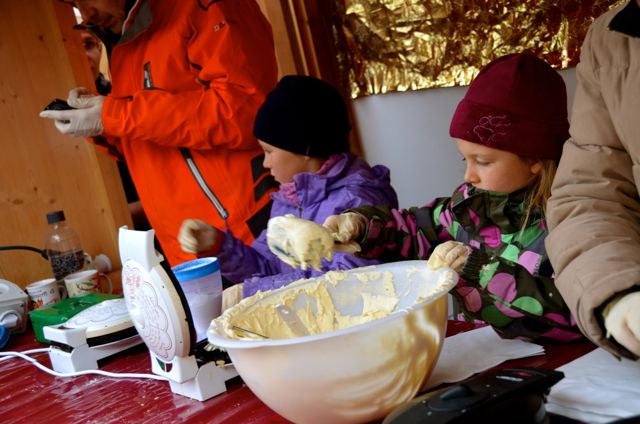
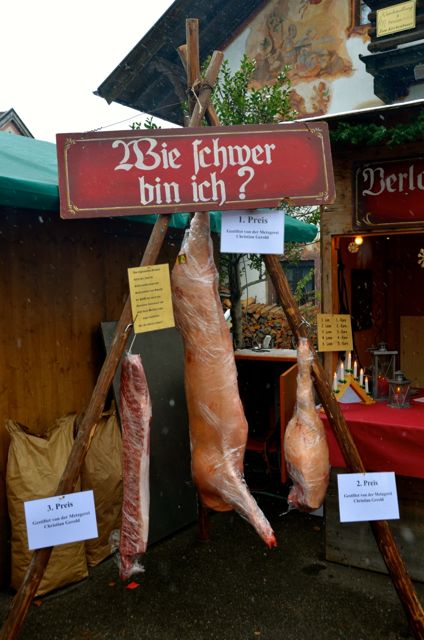
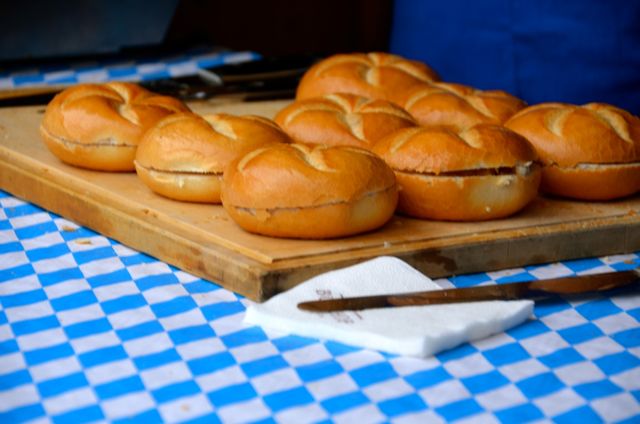
Stands staffed by hearty residents of all ages overflowed with a blend of culinary offerings such as homemade donuts, heart-shaped waffles, cakes dusted with a snow-like sugar, plump bratwurst and golden schnitzel. Some catered to the holiday gift shopper, while one stand offered attendees the chance to guess the weight of meat prizes. As the afternoon progressed, more and more snowflakes danced down from the sky and young girls dressed like angels handed out flyers for upcoming community holiday events.



With rosy cheeks, noses befitting Rudolph, and toes and fingers slowly turning into icicles, we headed home to warm up.
With Oberammergau’s Weihnachtsmarkt (Christmas Market) just around the corner, we will continue to usher in the holiday season in the coming days. In the meantime, to combat the cold and deluge of snow we’ve been receiving the past days, we’ll break out our own bottle of Glühwein at home, while toasting to the holidays. If you’d like to make your own Glühwein, do try the recipe that follows.
Cheers & best wishes for a happy holiday season!





Today, St. Nick stuffed our shoes with German chocolates and oranges. If you celebrate Saint Nicholas Day in your home, what type of goodies did St. Nick leave you or your little ones? Will you be going to any Christmas markets this season?
Finally, if you’re inspired to warm up with a cup of Glühwein, do check out this simple recipe in the BBC’s recipe section.
Where in the World?
Planning Pointers:
- Saint Nicholas is viewed as the model for Santa Claus, and is said to have lived about 1,700 years ago. He was born in what is now present-day Turkey. Saint Nicholas was known for giving gifts, and came to be associated as a protector of sailors and children. Oddly, Saint Nicholas’ remains were uprooted from his homeland about 700 years after his death, and transferred to Bari, Italy. A tomb inside Bari’s Basilica di San Nicola is said to hold most of Saint Nicholas’ remains. Supposedly, this saint’s relics were taken away from their original shrine in Myra and later awarded to the city of Bari. Apparently, both Venice and Bari competed for Saint Nicholas’ remains, since they were of religious and commercial value.
- For more about St. Nicholas’ origins, see my Instagram post about the Bari, Italy church that claims to have St. Nicholas’ remains. Today, it’s a popular pilgrimage destination for Roman Catholics and Orthodox Christians from Russia. When we visited Bari in 2016, we stopped in to learn more.
- Oberammergau hosts a Christkindlmarkt each winter. The Christkindlmarkt takes place the first Sunday of Advent. Christmas markets (Weihnachtsmärkte) are held in other towns in the region. See the Ammergauer Alpen site for specific details.
- Oberammergau is located 90 km (55 miles) southwest of Munich. To get there by mass transit, research the Bayern Ticket (website is in German, but you can use Google Translate). As of 2021, these tickets start at €25 for one passenger, and cost €8 for each additional passenger. You can use the Bayern Ticket for most trains, trams, and city buses, making it a good deal if you’ll be doing a lot of exploring in one day. You can purchase tickets online, via a ticket machine, or in person.
- This page indexes all of my posts from Germany.
Photography & text © Tricia A. Mitchell. All Rights Reserved.


Leave a reply to rigmover Cancel reply