
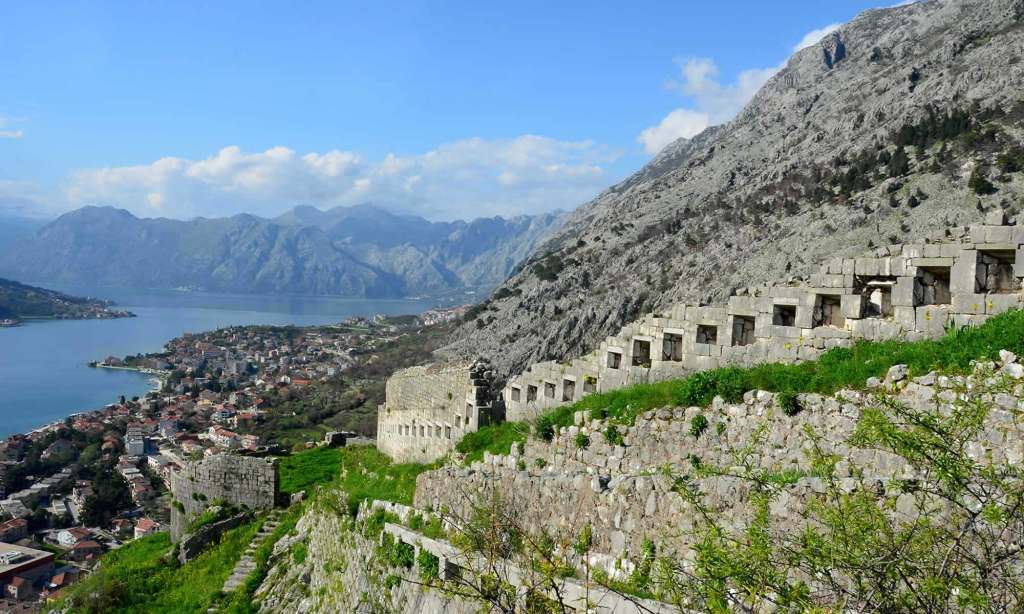
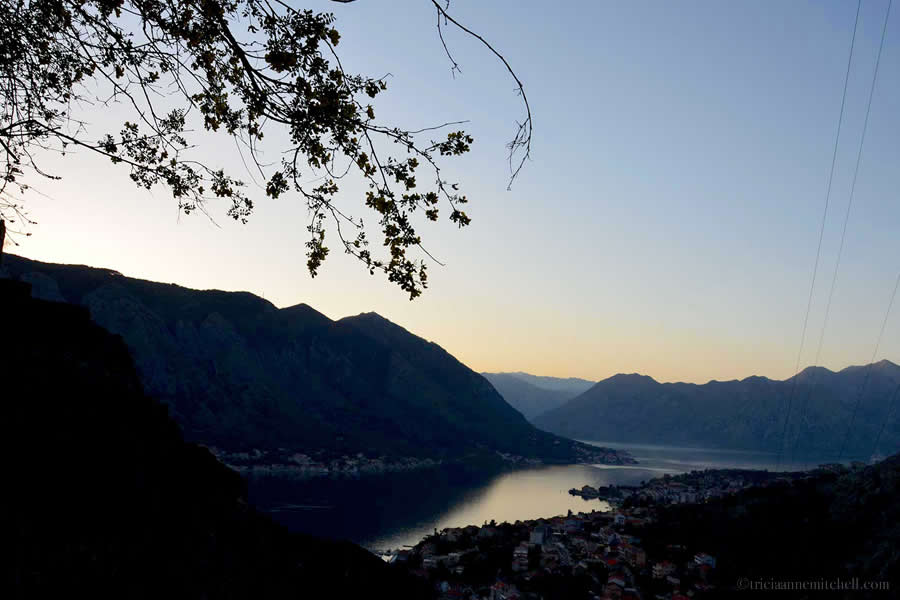
When night falls over the rugged mountains cradling Montenegro’s Bay of Kotor, it becomes very clear why the country’s native name, Crna Gora, means “black mountain.”
As the sun is snuffed out each night, the mountains make like a chameleon, going from steel grey to a black silhouette. Eventually, the water of the mighty bay transforms into a shiny onyx. In the historic city of Kotor, the buttery-yellow lights of the buildings in the town’s center are enhanced by the city’s centuries-old, illuminated ramparts, which encircle the city like a ring of fire.
Seeing this nocturnal spectacle for the first time, I thought that the UNESCO World Heritage-listed area must be most striking by night, but after hiking to Kotor’s fortress by day, I concluded that both were incredible times to observe this historical site.
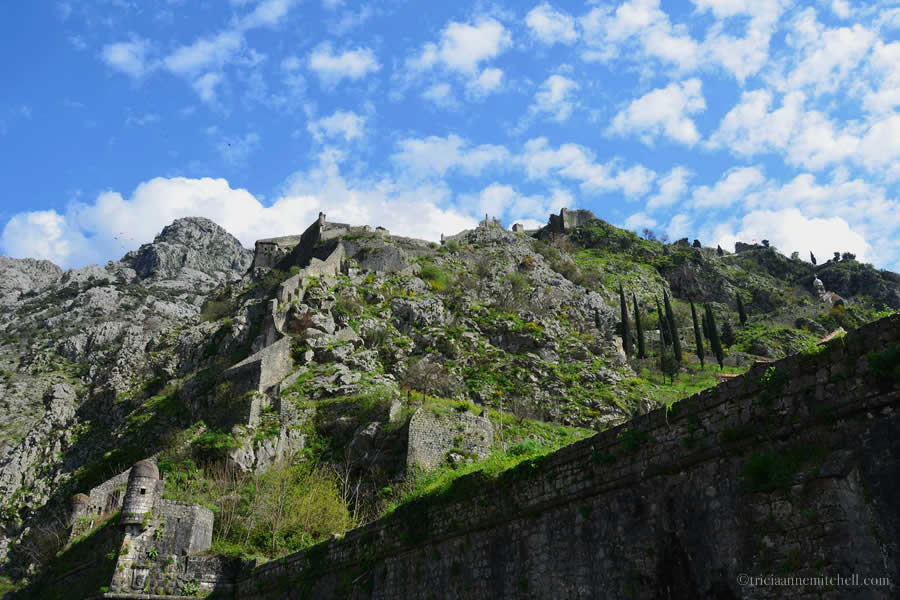
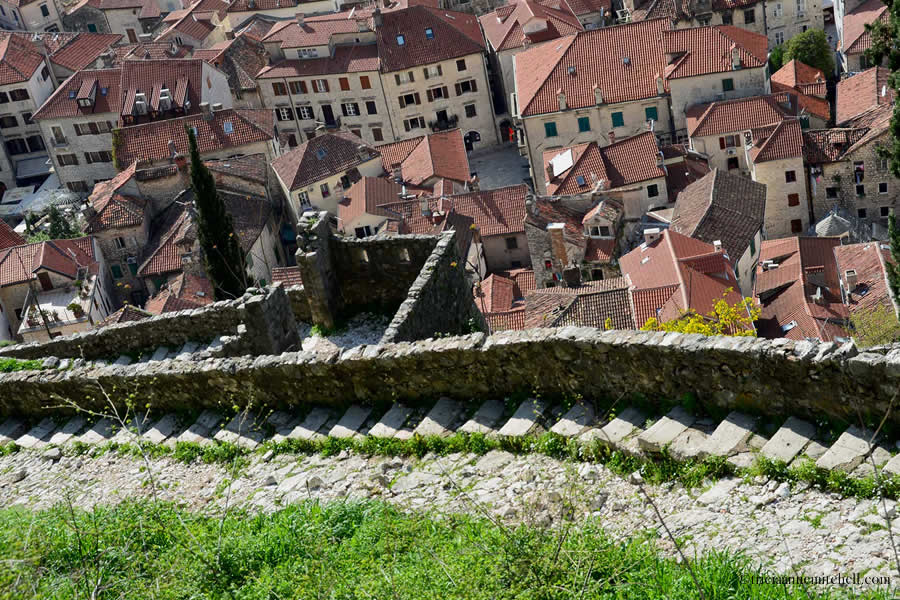
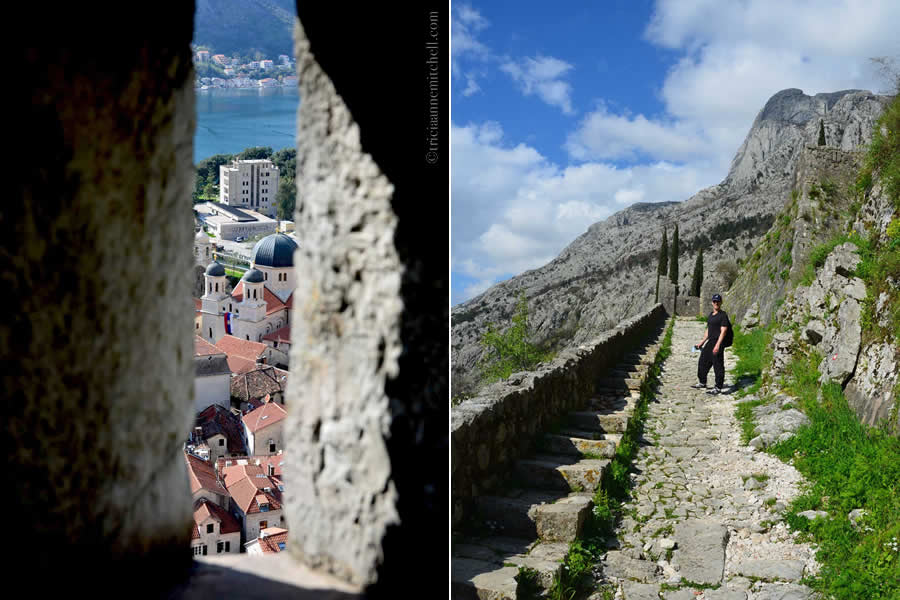
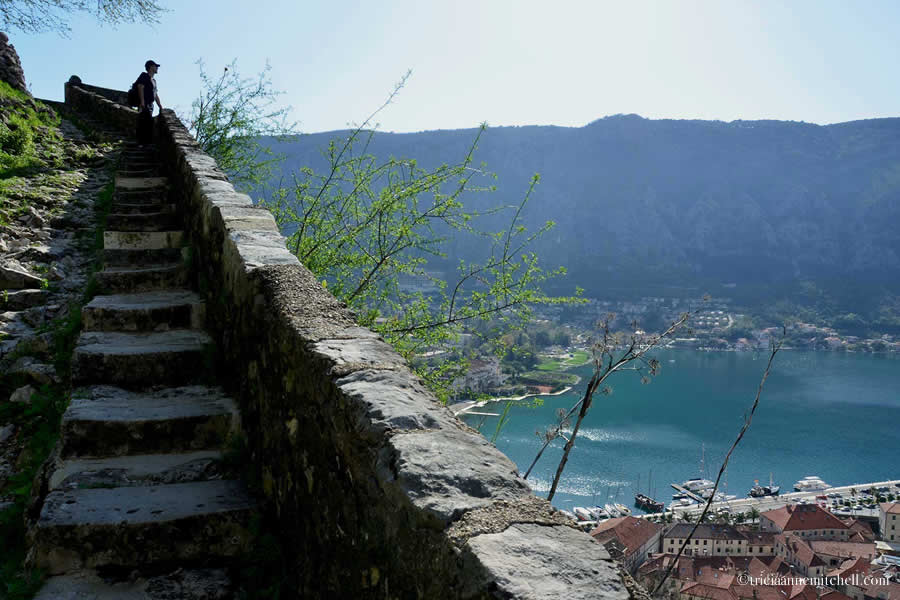
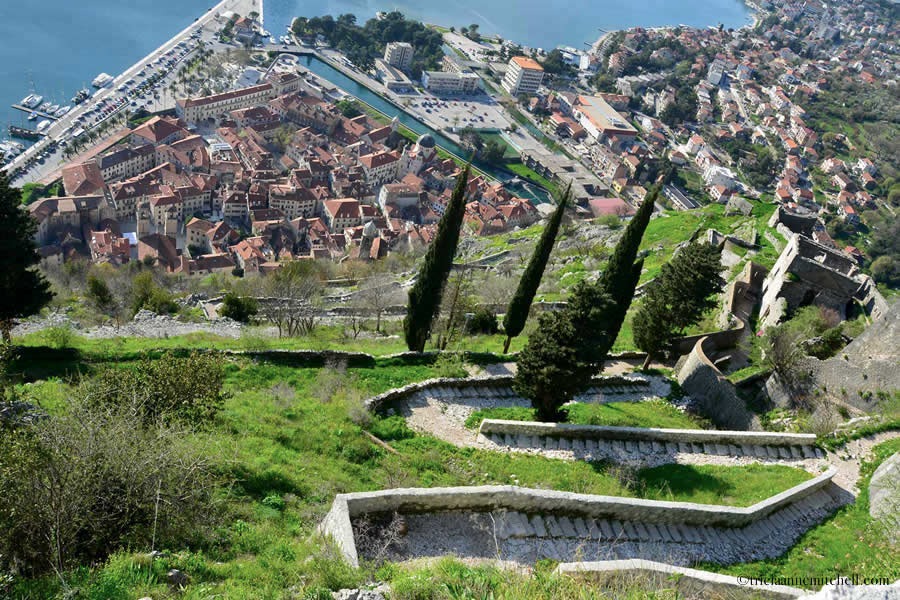
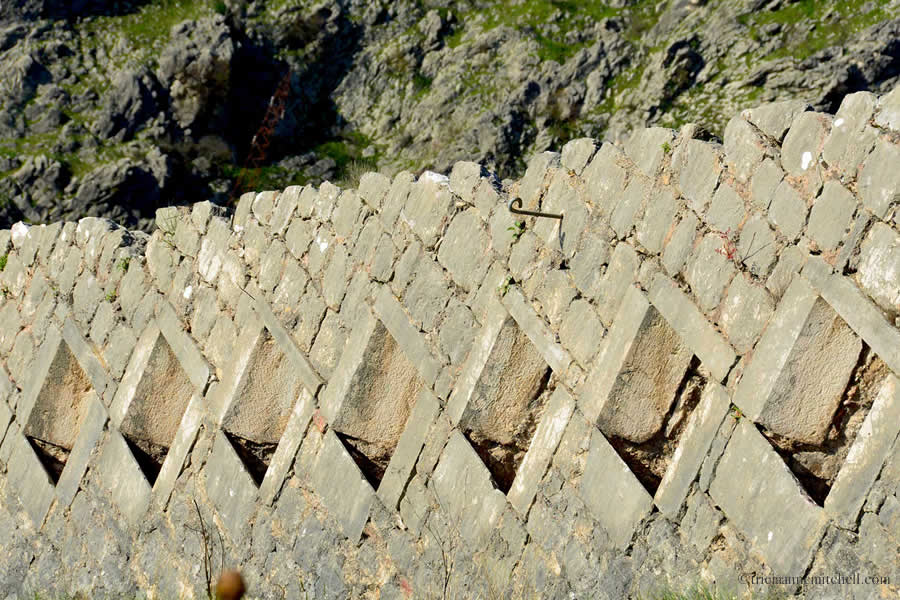
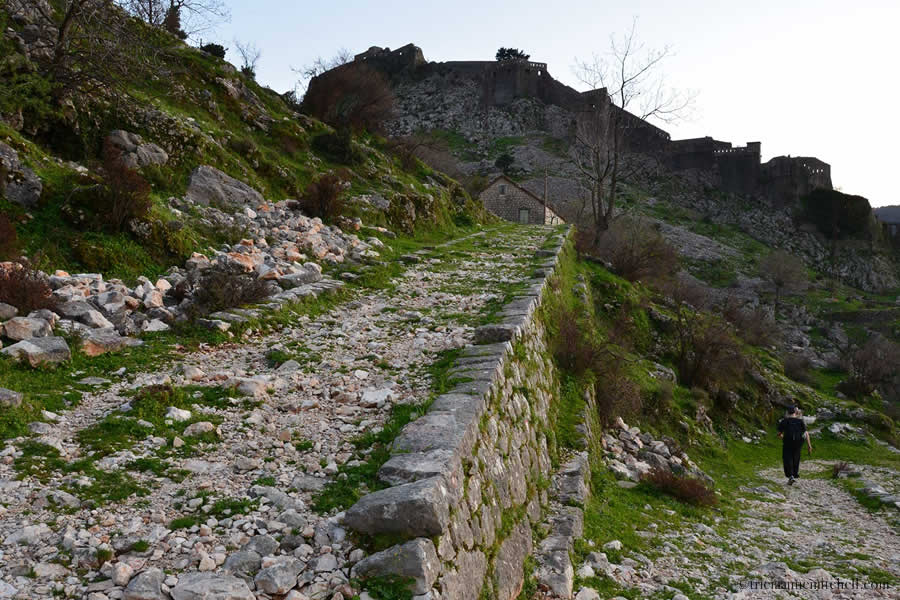
Kotor’s fortifications are situated on steep slopes, but when viewed from below, they almost look more delicate than formidable – like a 4.5 km (about 2.8 mile) ribbon woven through the mountainside. Their crowning element is the Fortress of St. John (also known as the Castle of San Giovanni or Tvrđava Sveti Ivan), which sits roughly 250 meters (820 feet) above sea level. To get to the top, you must climb about 1,350 stairs.
History of Kotor & Its Fortifications
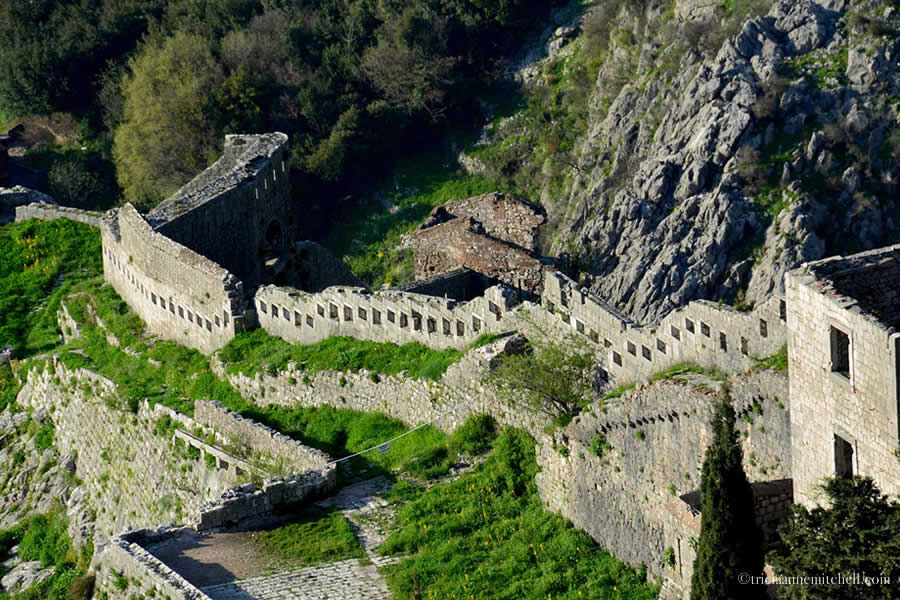
Built between the 9th and 19th centuries, the fortification’s walls didn’t actually create a continuous ring around Kotor’s Old Town until the 13th or 14th century. As military technology changed, so did the architecture. After firearms were invented, for example, new walls were constructed in front of the old ramparts.
While the Venetians were responsible for the bulk of the fortification’s components, the Illyrians, Byzantines, and Austrians also left their marks.
In the last 500 years, powerful earthquakes have rocked the area three times, damaging the Old Town and the fortifications. The most recent earthquake occurred in 1979.
In 2006, Montenegro became an independent nation, following a referendum that asked voters to decide whether or not to continue a state union with Serbia. Prior to that, Montenegro had been one of six republics making up the country of Yugoslavia.
Human Daredevils, Mountain Goats, & Magnificent Views
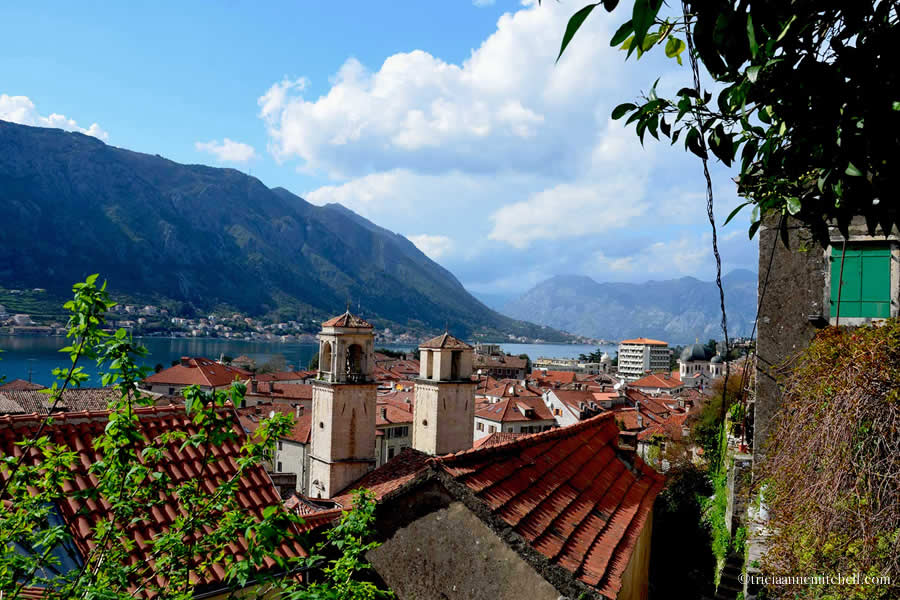
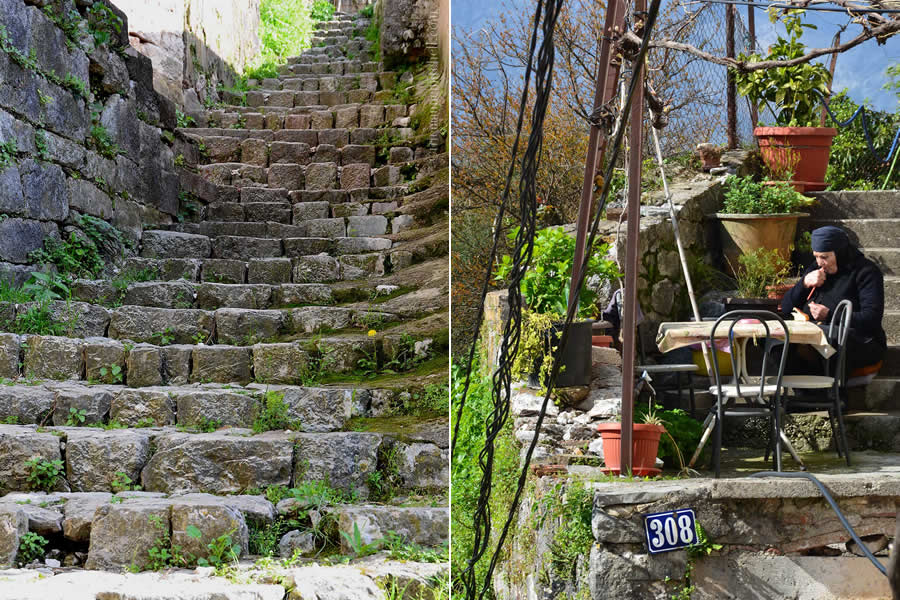
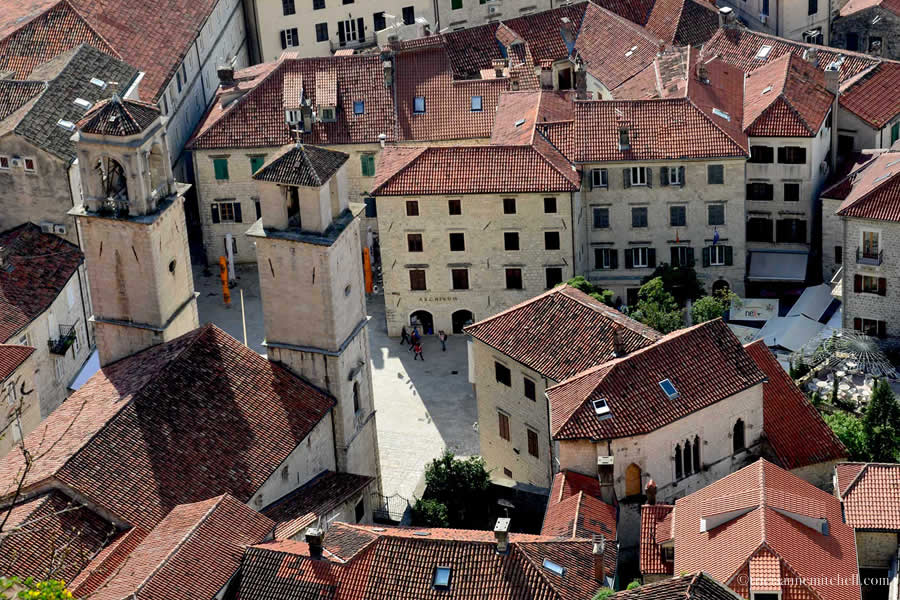
We began our climb in the early-afternoon hours of a blue-sky day peppered with a few wispy clouds. The path started us off past locals tending to the flowers in their terraced gardens, and soon we were looking down upon Kotor’s terracotta rooftops. Continuing on, we reached the Church of Our Lady of Remedy, which was built in 1518. Its wrought-iron door was locked, but we peeked inside, glimpsing its whitewashed walls and modest religious decorations.
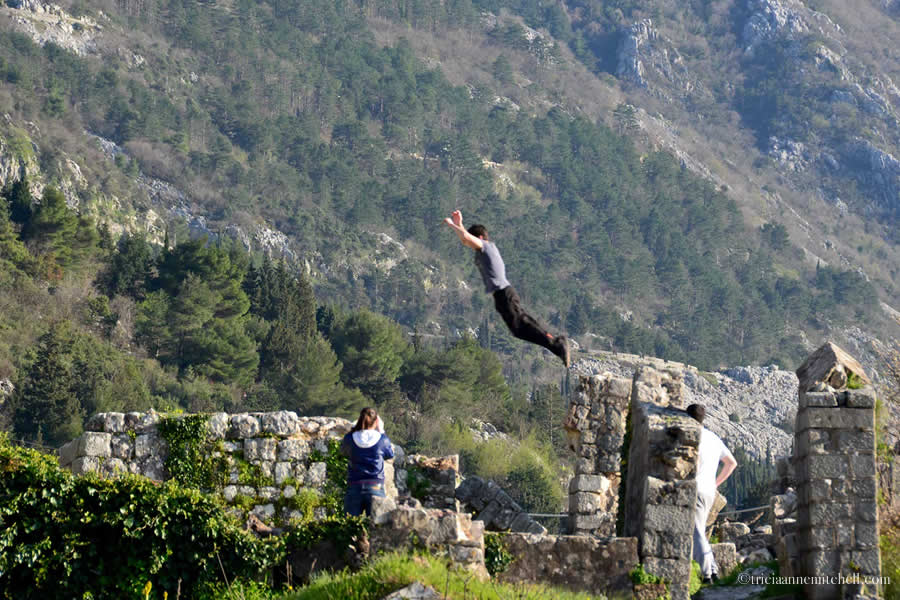
A quintet of Montenegrin teenagers passed us as we again hit the pathway. As if emulating the training scenes in a Rocky movie, the young shirtless men jogged up the inclined paths, sometimes running on top of the narrow wall as if it was a balancing beam. Up at the fortress ruins we’d eventually catch up to them, though by now the young men were performing daredevil stunts — leaping from stone wall to wall. We exchanged greetings and Facebook information, and they posed for a group shot, signaling an enthusiastic thumbs up.
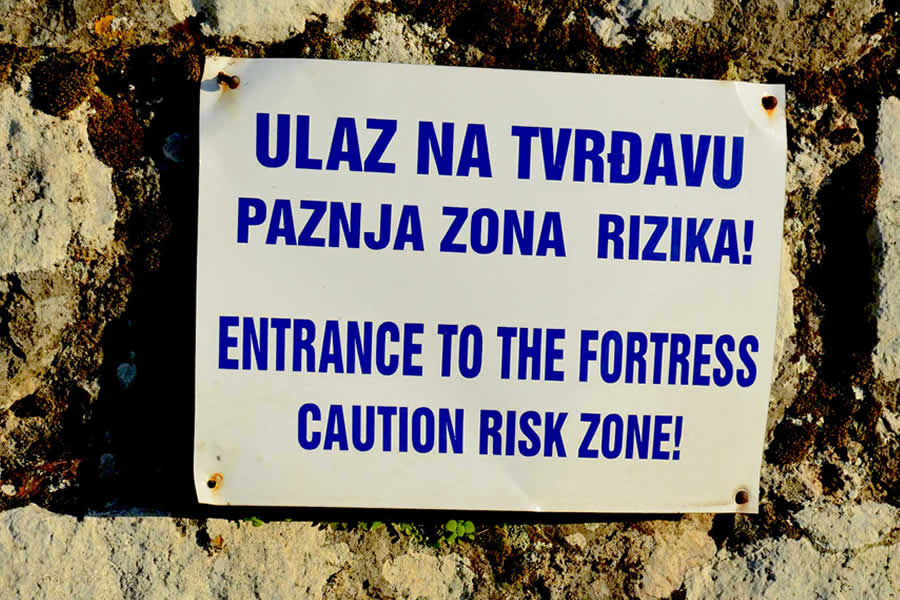
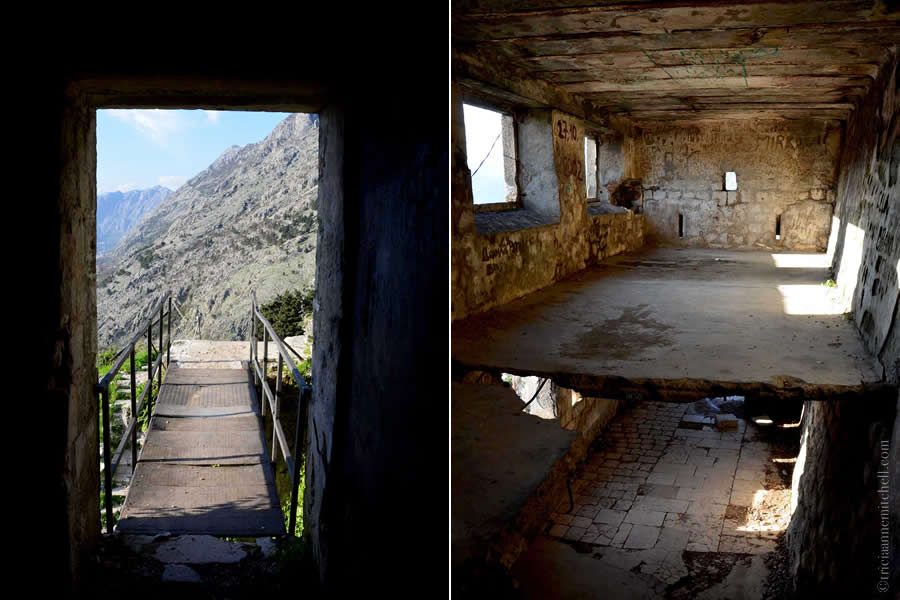
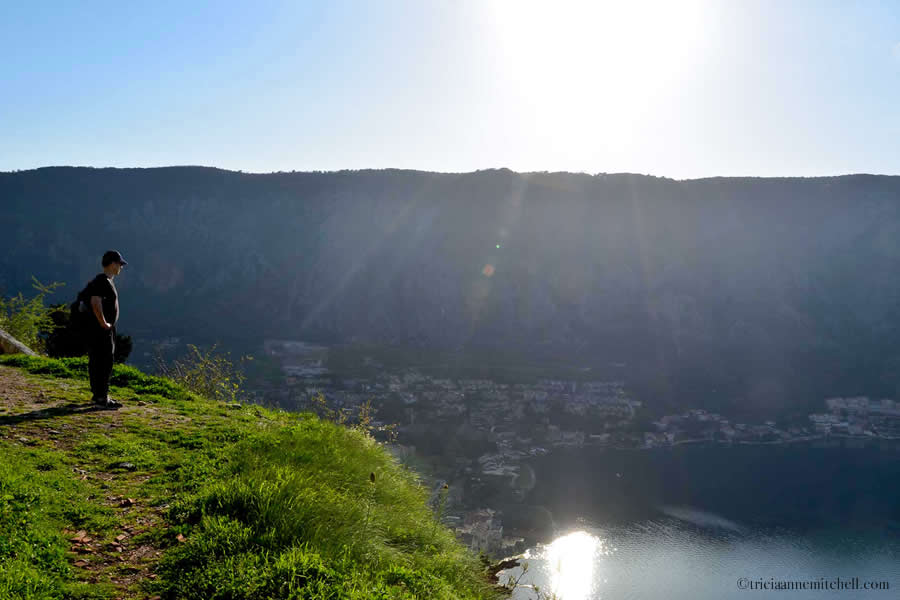
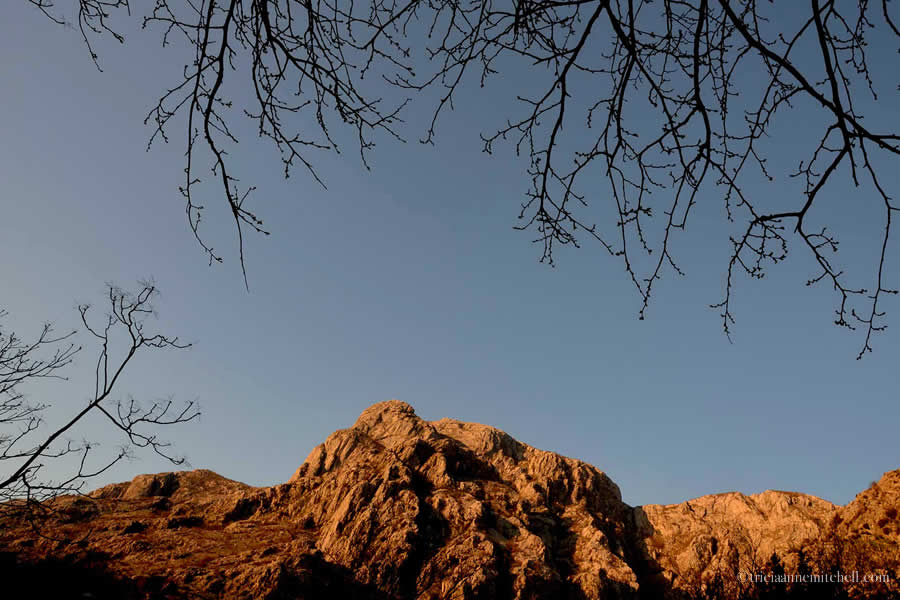
By the time we reached the fortress, the light on our side of the mountain was glorious, bathing everything in a golden glow. Knowing that the sun would soon be setting behind the opposite mountain, we reluctantly started making our way down.
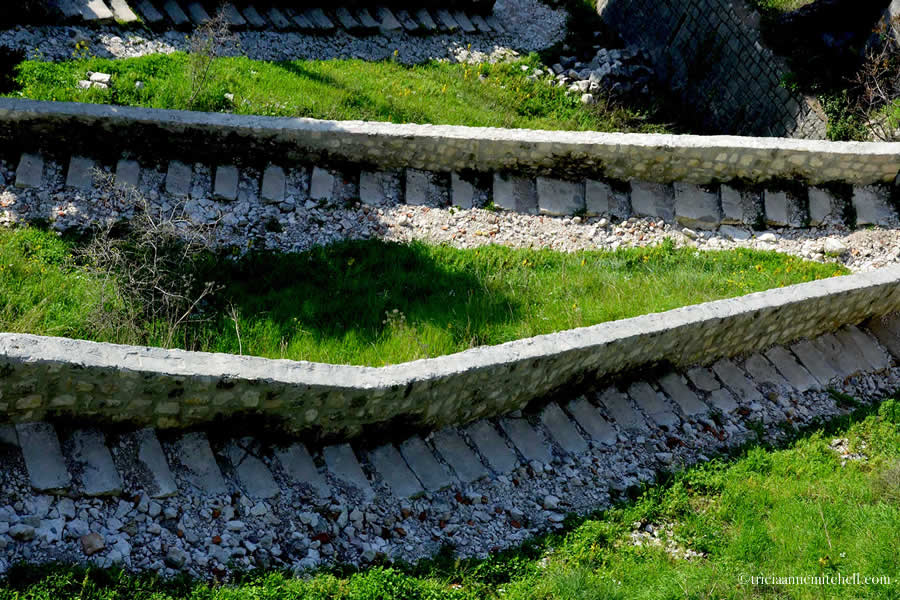
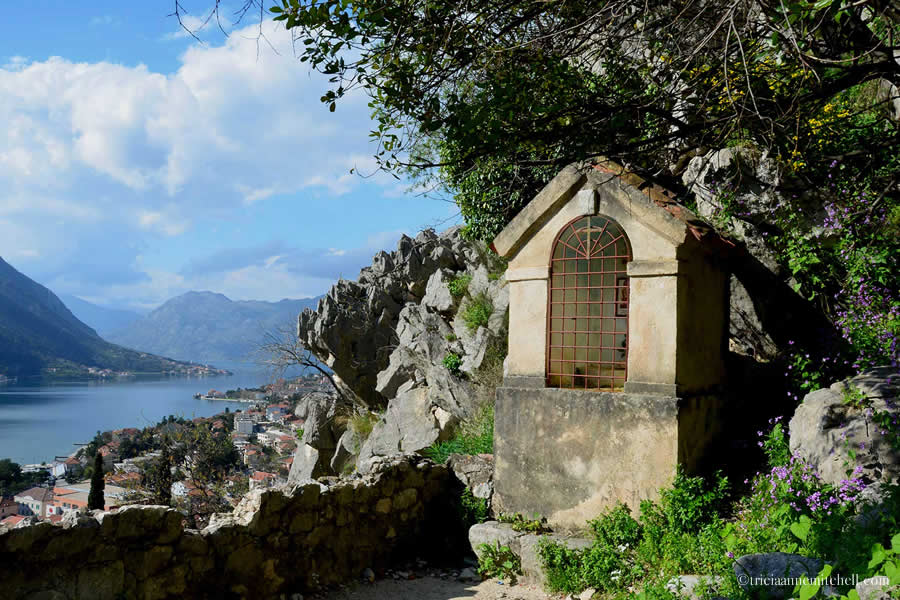
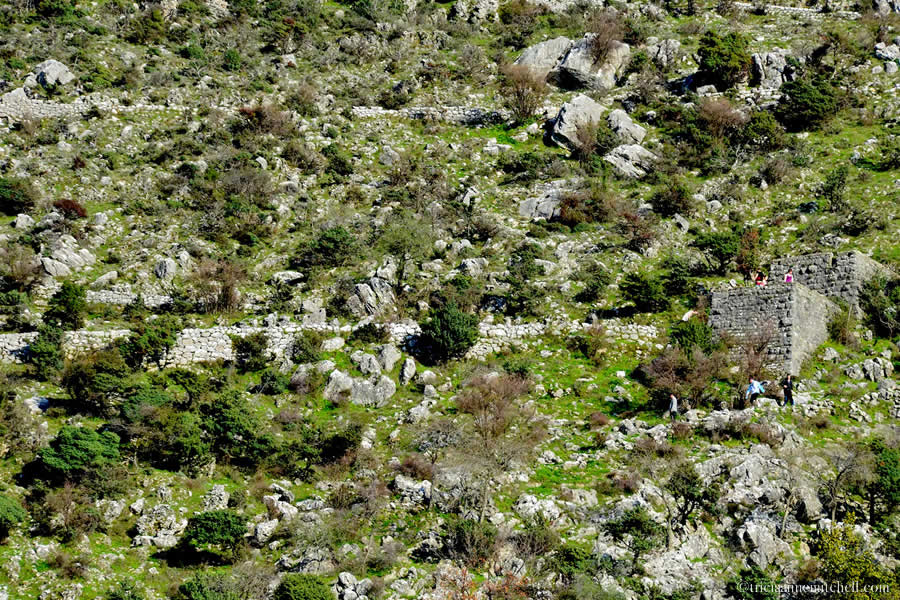
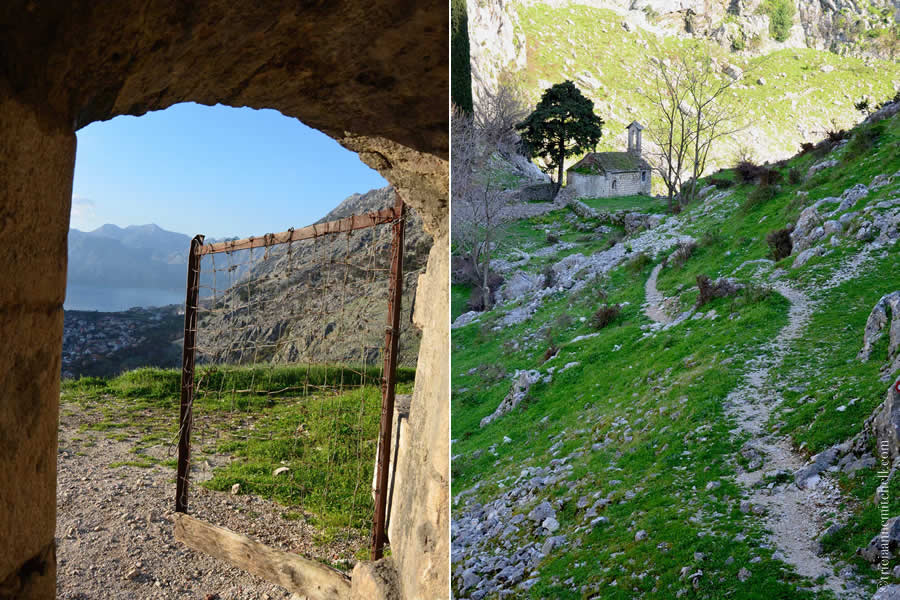
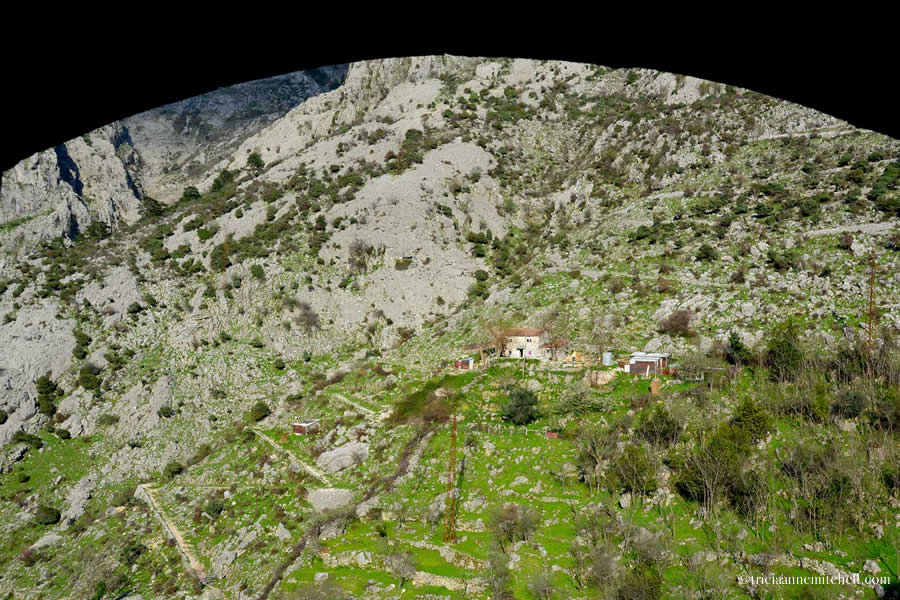
Eager to explore a picturesque scene we’d glimpsed on the way up, we diverted from the path we’d taken to climb to the fortress. We found a rusty gate swinging from the wall. (Update: please see my * note about this gate below, in the Planning Section.) Climbing through this opening, we saw a picturesque vista vastly different from the blues of the twinkling bay, and the fire-orange rooftops of Old Town Kotor that we encountered on the way up. On this eastern side of the mountain was a narrow crushed stone path snaking towards a tiny stone chapel (Saint George’s / Sveti Đorđe), along with a still-inhabited home and its outbuildings. Walking along the path, we spotted the ruins of the village of Špiljari, which was once a stop on the Ladder of Kotor (Ladder of Cattaro) — an ancient caravan path that linked inland Montenegro with its coastline.
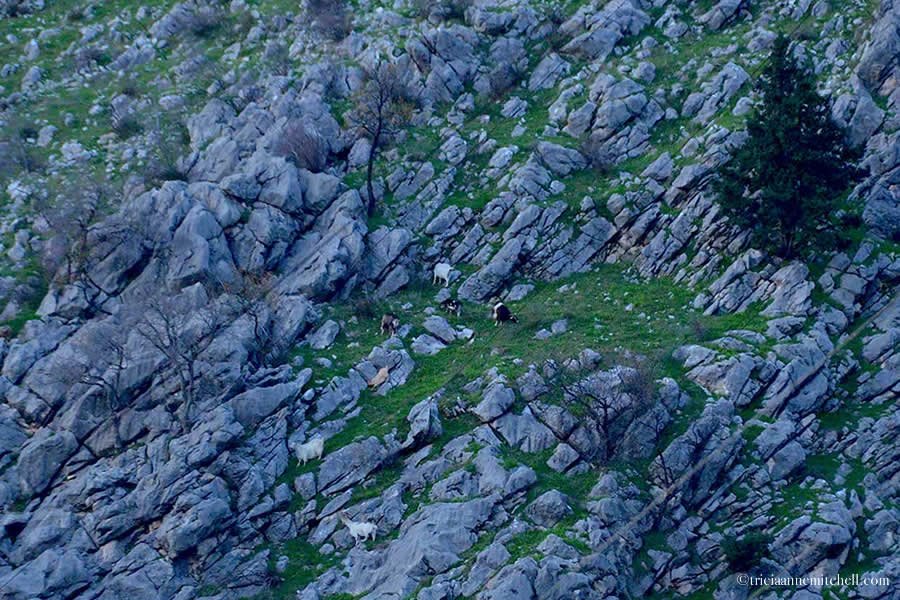
This back side of the mountain had already fallen into shadows so we knew we’d have to walk at a quicker pace. Still, I longed to walk among the ruined buildings and to sit on the wall while watching the mountain goats off in the distance.
And so we reluctantly continued our descent, encountering switchback after switchback, pondering how many people had come before us, what they had carried, and what had brought them to this path.
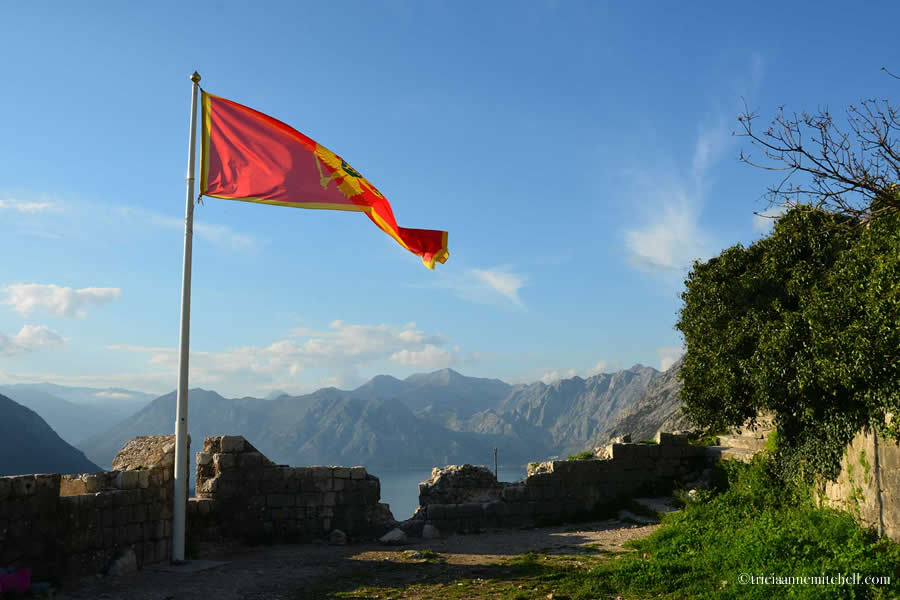
We had come seeking gorgeous views, and we found them — after conquering Montenegro’s Kotor Fortress.
Skip Ahead:












Video of This Experience:
Where in the World?
Planning Pointers:
How to get to the city of Kotor:
Kotor is 90 km (about 55 miles) from Dubrovnik, Croatia.
We journeyed there by bus from Dubrovnik, making stops in Herceg Novi and Perast. Visit the Kotor municipality website, or Montenegro National Tourist Organization for more details.
To see bus schedules and prices for journeys within Montenegro, we used Busticket4.me. You can also purchase bus tickets on this website.
For journeys to towns around the Bay of Kotor, we used the Blue Line shuttle.
Getting to the Kotor Fortress:
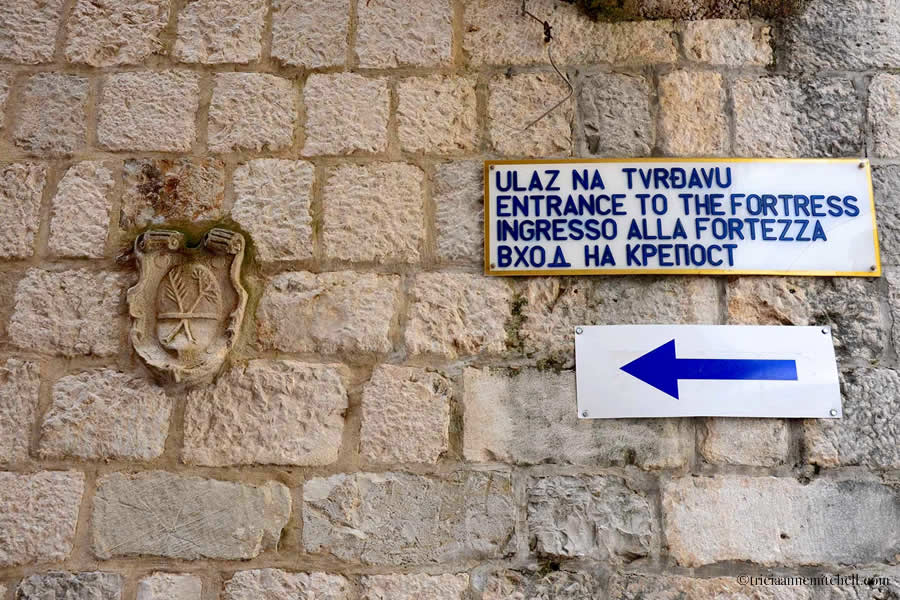
- The Kotor Fortress is also known as the Castle of San Giovanni, Tvrđave Kotora, and Tvrđava Sveti Ivan.
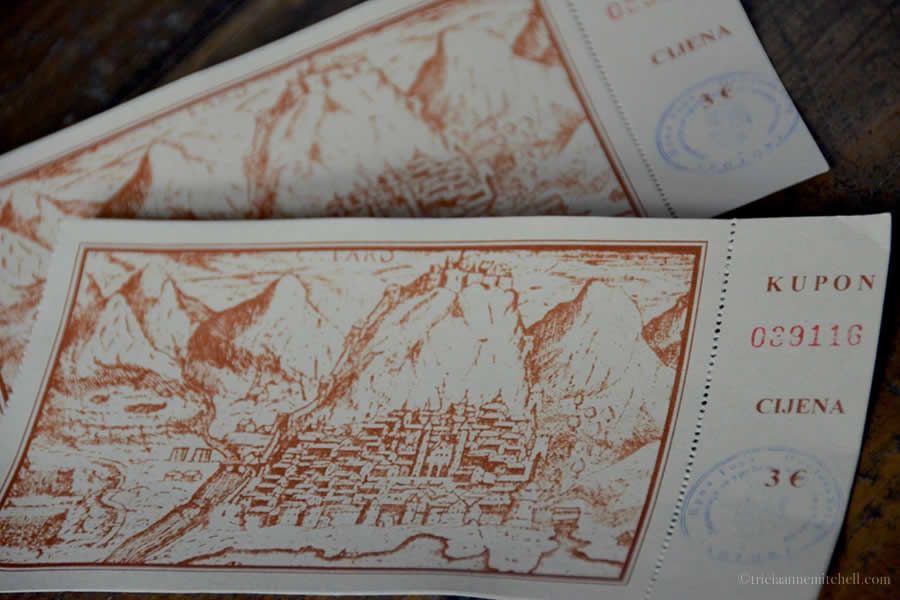
- As of 2020, tickets cost €8.
- In total, there are about 1,350 stairs. You’ll want to wear supportive walking shoes because some paths are rocky and uneven. Flip flops are not recommended. If you get off the official paths, you might encounter sections with steep drop-offs, so exercise caution.
- Bring adequate water and perhaps a light snack.
- We’d read that the round-trip journey can take anywhere from 2-3 hours. It took us much longer since we like to stop and take photos. We also enjoyed soaking up the views and refueling with a mini picnic.
- We went up to the fortress via the paid path, which starts in Kotor’s Old Town.
- We later descended via the shepherd’s path (trailhead coordinates here), which is free.
- We’re happy we varied our route, since this allowed us to see both sides of the mountain. The front path offers views of the bay, and the back path takes you through the ruins of the village of Špiljari. If you go down the back way, you’ll actually walk several of the switchbacks that make up the Ladder of Kotor.
* Note: Some readers have written to say that accessing the fortress via the shepherd’s path (and more specifically the “gate in the wall of the fortress”) is no longer possible. One person even said that there is a guard at this gate and that it’s not even possible to buy tickets up here. I haven’t been to Kotor since 2018, when it was still possible to access the fortress via the shepherd’s path. As a result, I cannot confirm what the status is.
Accommodation in Kotor:
We’ve visited Kotor two times — once for 10 days and another time for two months. I’ve not been to Kotor during the summer, but I’ve heard that the Old Town (Stari Grad) can be noisy.
Our first time in Kotor, we stayed in the heart of the Old Town at the Apartments Đukić (affiliate link). The apartments were located close to restaurants, shops, and the Idea supermarket. We spent a few nights in the Apartments Đukić’s smaller studio apartment, then moved to one of their larger properties a few days later. In total, we spent 10 nights in their properties. Both apartments offered the basics, and the employee, Stefan, was friendly and eager to answer questions about Kotor. He even allowed us to do our laundry in the apartment’s central laundry area.
We also spent two months at the Apartman Emma (affiliate link). The owners, Tamara and Boštjan, were incredibly kind, and the apartment had everything we needed including a microwave, washing machine—even a blender. Our balcony views of the Bay of Kotor were extraordinary! The apartment was situated in a residential part of Kotor, but it only took five minutes to walk to the heart of Kotor’s Old Town. From the apartment’s spacious balcony, we watched the boats glide on the bay, and from our bedroom we could see sheep and goats negotiate the rugged mountain’s slopes. The Aroma supermarket was also only five minutes away on foot; it’s inside the Kamelija Shopping Center. We’d be delighted to stay here again!
Looking for more Montenegro trip-planning inspiration?
See my Montenegro guide for more tips.
Photography & text © Tricia A. Mitchell. All Rights Reserved.





Leave a reply to cromercanary Cancel reply