

When you think of Italy, it’s likely that home-cooked pasta, verdant agricultural landscapes, and gourmet food products like Parmigiano-Reggiano cheese and traditional balsamic vinegar come to mind. A lesser-known concept is that of the agriturismo — a compound noun that marries the Italian words for agriculture and tourism.
As the name implies, an agriturismo is a place where visitors can find lodging, meals, and even hands-on experience on a working farm. Some agriturismi are elegant and resort-like, while others are more informal places where guests can get their hands dirty and learn the art of viticulture, olive harvesting, or virtually any aspect of small-scale food production. Most agriturismi serve food that has been grown on-site, or sourced locally. In addition, income from tourism helps supplement profits earned from traditional farming pursuits.
I had long wanted to stay in an Italian agriturismo — to walk among the countryside, or even try my hand at some aspect of farming. This summer, Shawn and I got to do just that while in the Northern Italian state of Piedmont, or Piemonte as it’s known in Italian.
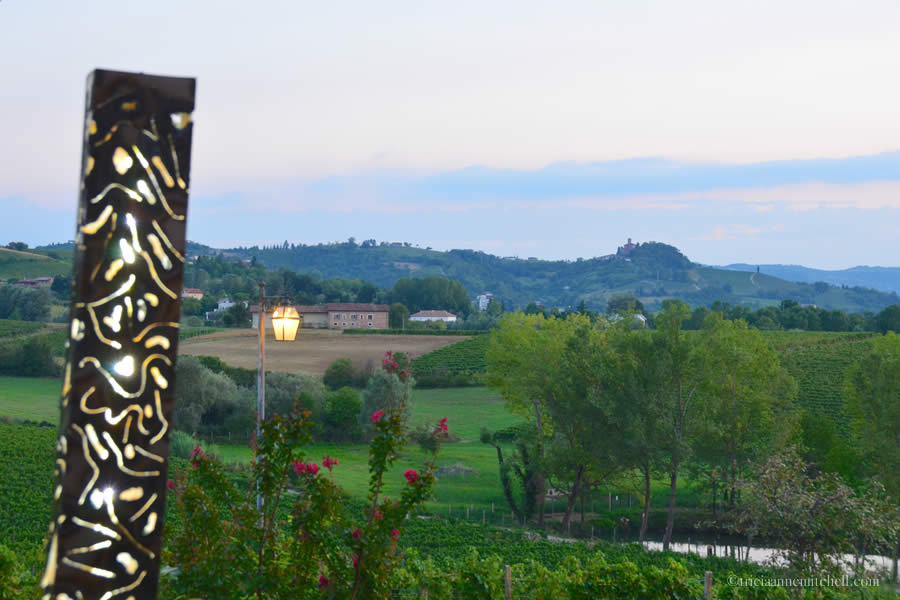
By day, we tasted wine, chased truffles and explored Asti’s food scene, and by night we rested and dined at the Agriturismo Tenuta La Romana and La Riserva del Gusto. This agriturismo and restaurant are situated within the same property, on a stunning piece of land that overlooks the Langhe and Monferrato hills. The area is inscribed on UNESCO’s World Heritage List.
The History of the Agriturismo Concept in Italy
Starting in the mid-twentieth century, small-scale farming became less profitable for Italian farmers. To combat this decline and the abandonment of farms, the Italian government officially described the concept of agriturismi in a 1985 law. In some cases, economic incentives were given to farmers or other individuals wishing to restore abandoned farmhouses and estates. The result was that many of these structures were transformed into private vacation homes, and agriturismi.
Agriturismo Tenuta La Romana
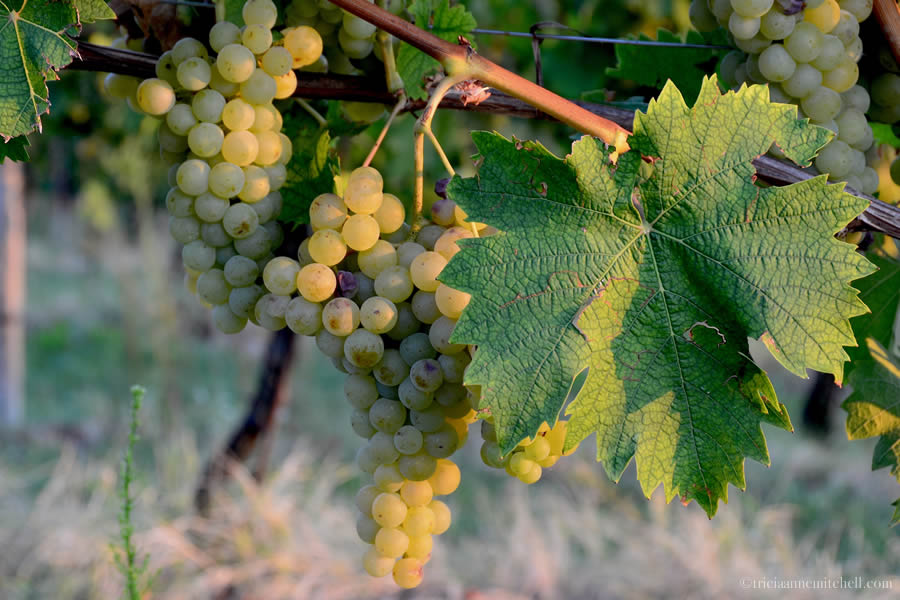
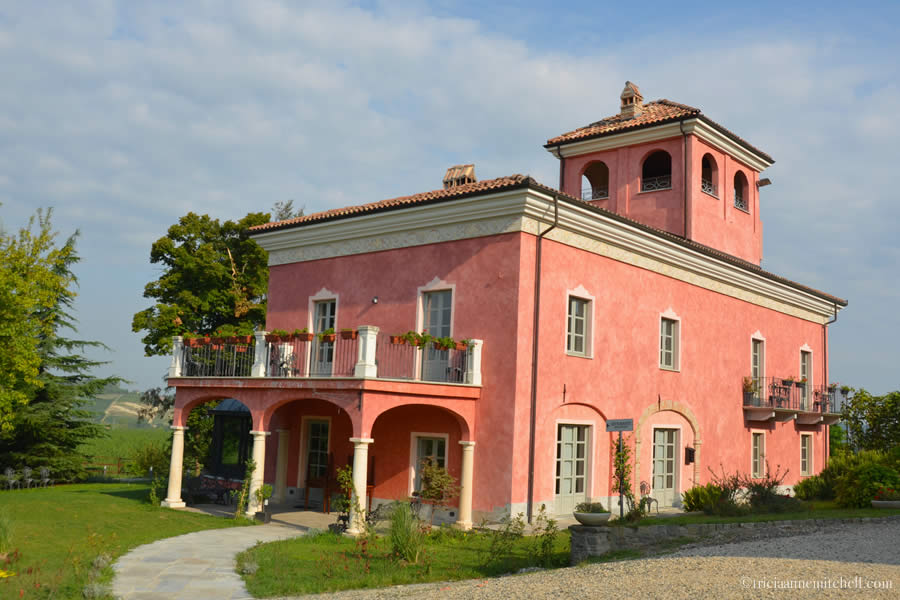
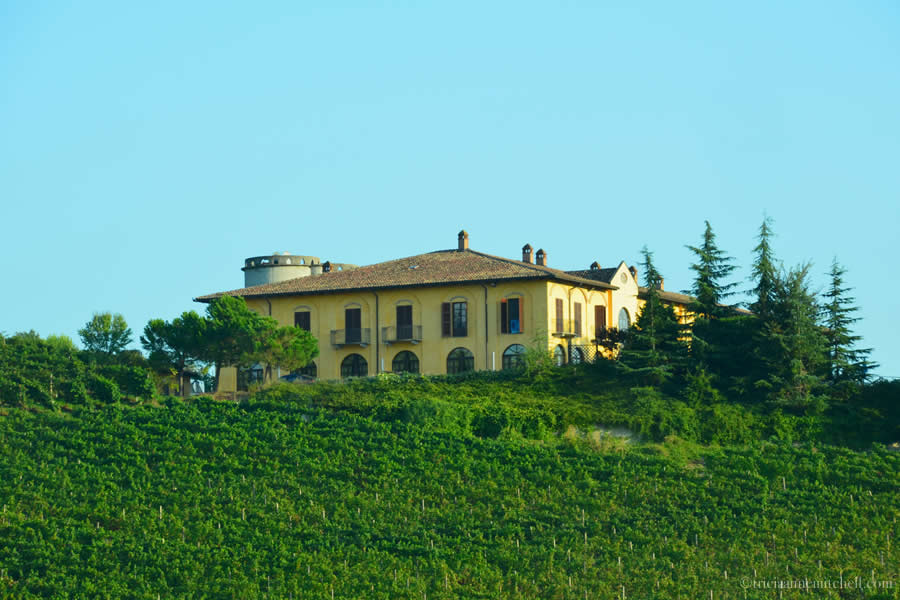
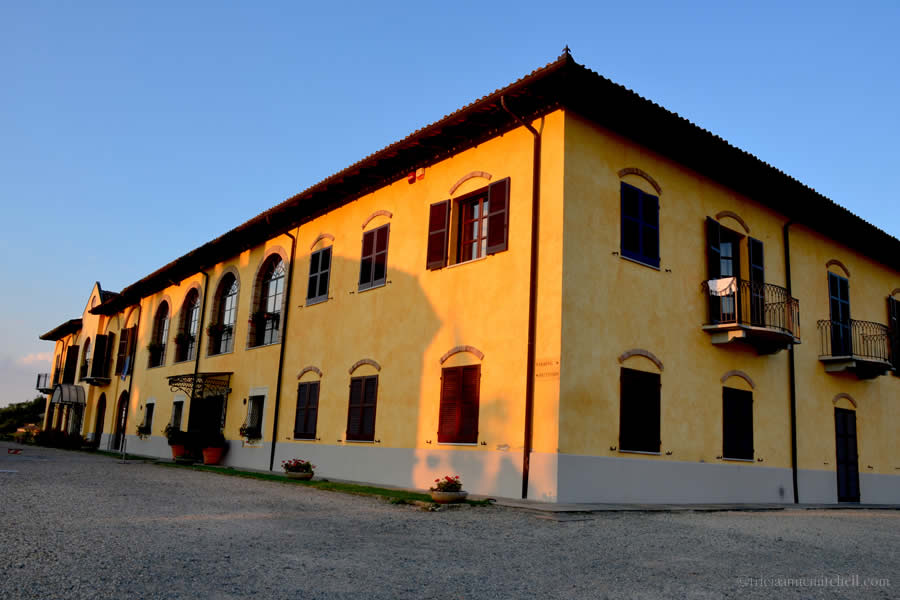
At first glance, Tenuta La Romana seemed as though it was peeking out of a robe of vineyards dressing the Monferrato hills. The mustard-colored building, with its Palladian windows and chocolate-brown shutters, was eye-catching, even among a stunning landscape of summer green hues.
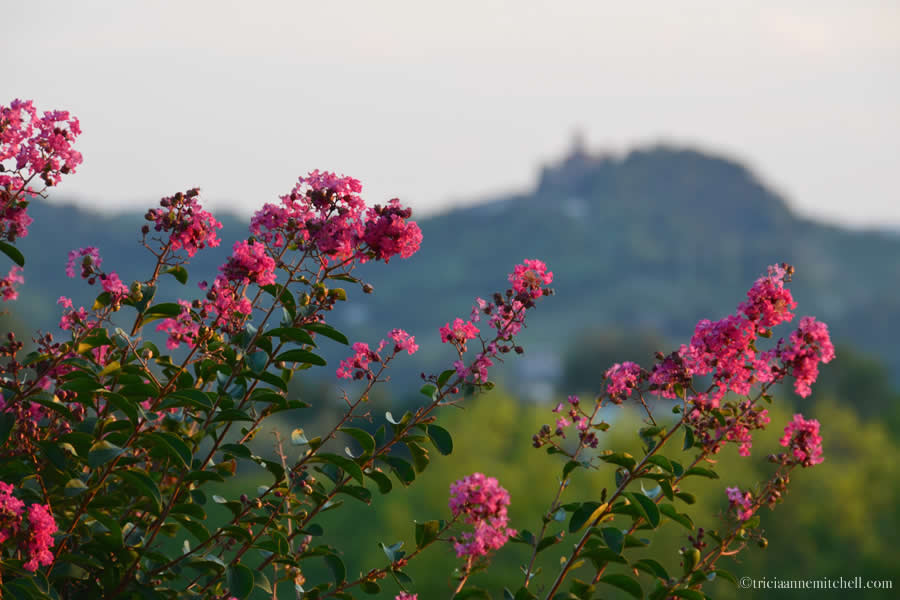
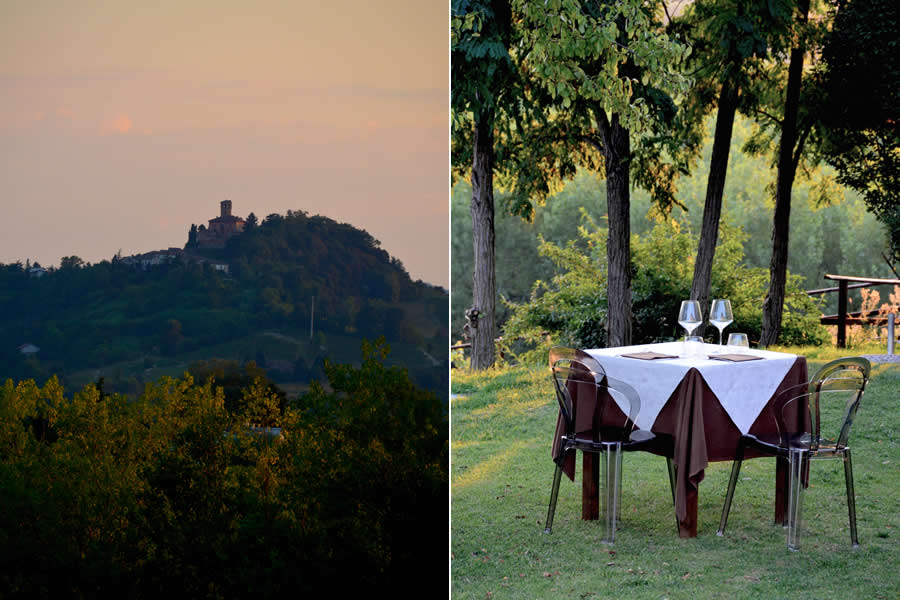
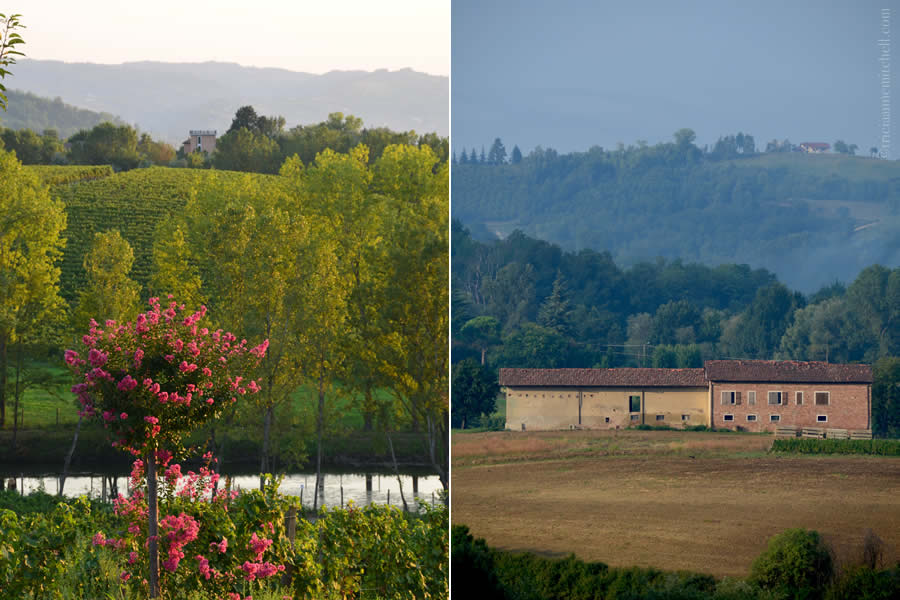
The structure that now houses this agriturismo was previously called L’Armanna. It was constructed in the 18th century and was originally owned by noble families. Today, it overlooks an atmospheric lake, poplar grove, vineyards, a handful of farmhouses, and even a small hilltop fortress.
La Riserva del Gusto
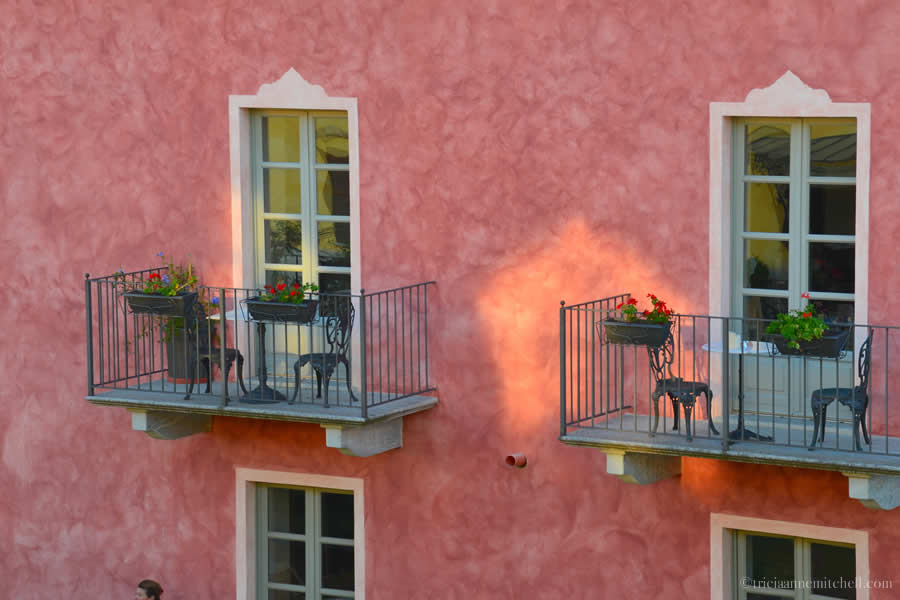
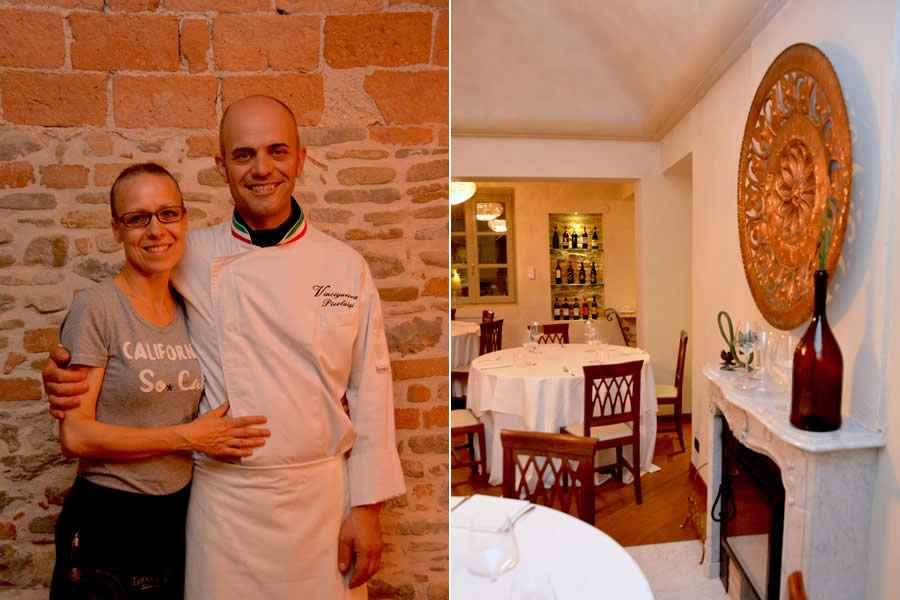
La Riserva del Gusto’s name hints at its penchant for good taste, as well as its location inside a nature reserve. In its early days, the shrimp-colored structure housed clergy — something that’s evident when you pop into its wine cellar, which was once a crypt. The elegant restaurant specializes in cuisine of the Langhe and Monferrato. Charismatic Chef Luigi Vinciguerra is at its helm.
When I asked Chef Luigi what encouraged him to take over the restaurant, he replied without hesitation.
“The magical setting here,” he said, with our waiter Pietro acting as translator.
“This landscape captivated me! I am here most of the day now, and this is a passion,” adding that his daughter also motivates him.
As he showed us around the 18th-century-crypt-turned-wine-cellar, Luigi, who has experience working in Milan restaurants, explained that he prefers to work with local, small-scale wine producers.
“Most of our ingredients are also locally-sourced,” he added.
Though Italian tradition and Piemonte cuisine favor heavily in his fare, Luigi is not afraid to blend old ideas with contemporary ones. Jazz & blues nights are weekly offerings, and Chef Luigi is also happy to prepare meals that appeal to vegetarians, vegans, and people who are unable to consume gluten.
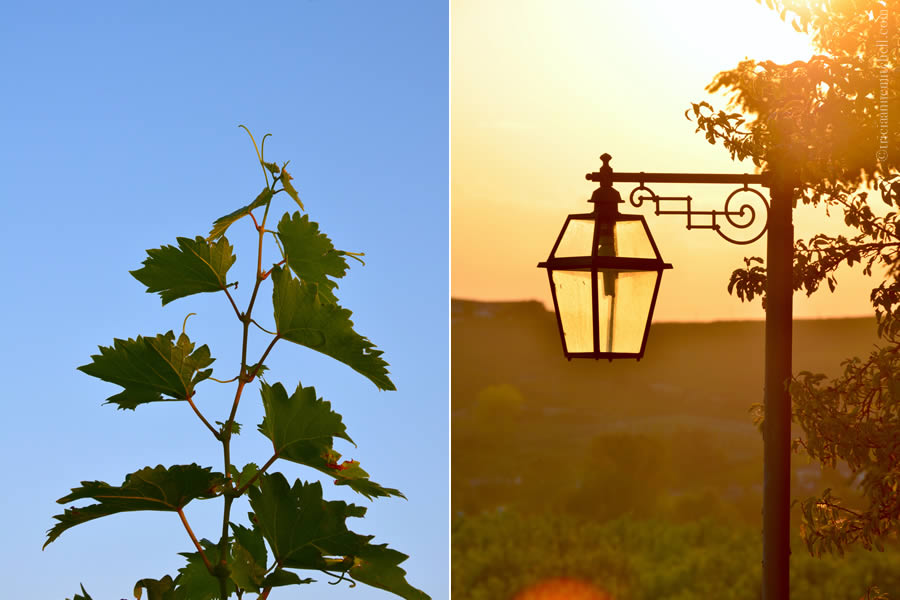
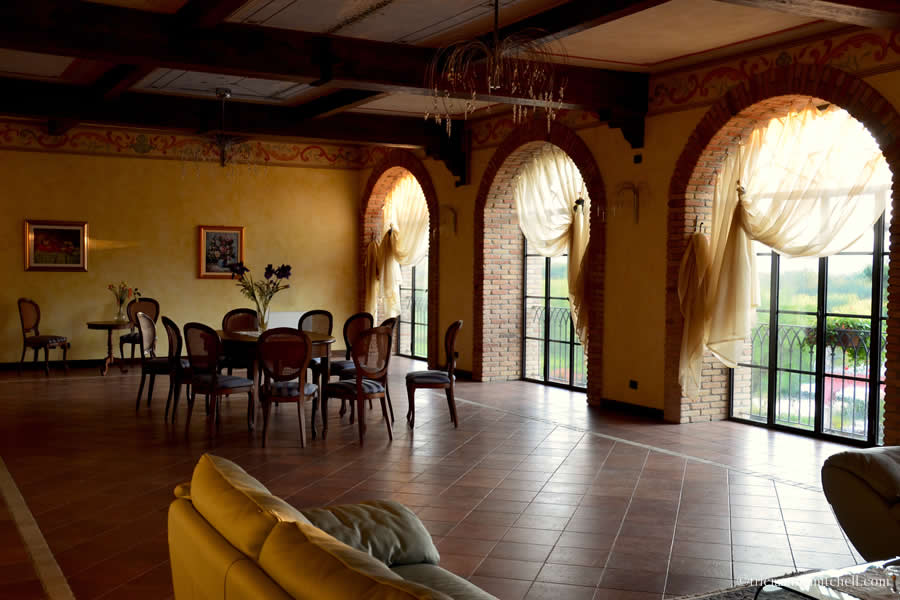
As he escorted us around the building’s three levels, it became apparent that Chef Luigi has a penchant for interior design, too. From an outdoor seating area with transparent chairs and mood lighting, to an upstairs dining room with an Old-World marble fireplace, Luigi was eager to show how he and his wife, Michela, have transformed the building. His latest project is a transformation of the restaurant’s tower. He plans to enclose its windows so that he can create an intimate dining area where couples or private parties can dine while overlooking the hills of the Monferrato and the Langhe.

Chef Luigi was kind to share his extraordinary recipe for Strawberry-Chardonnay Risotto with us; please find it below, and Buon Appetito! Also, if you have any risotto variations or recipes that you’d recommend, please share them in the comments below.





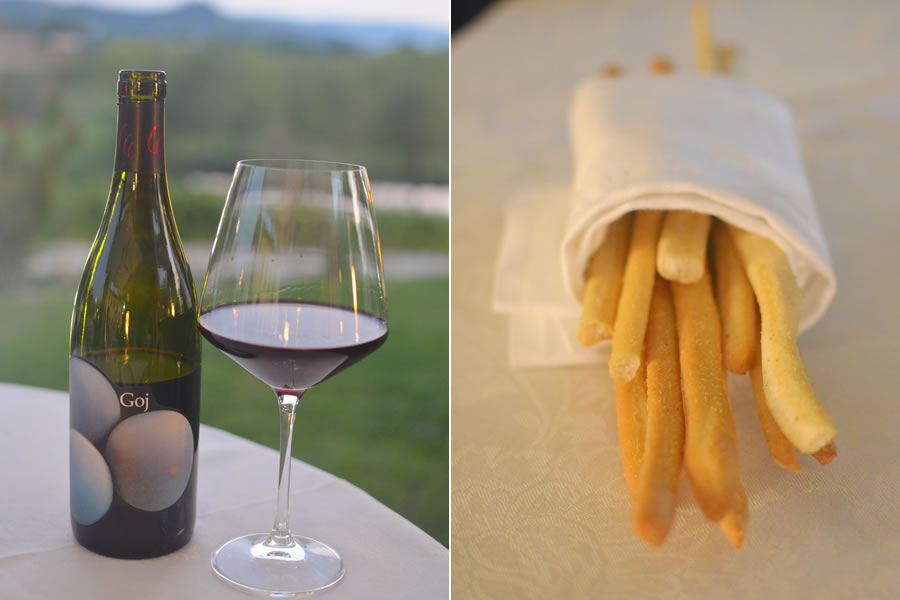
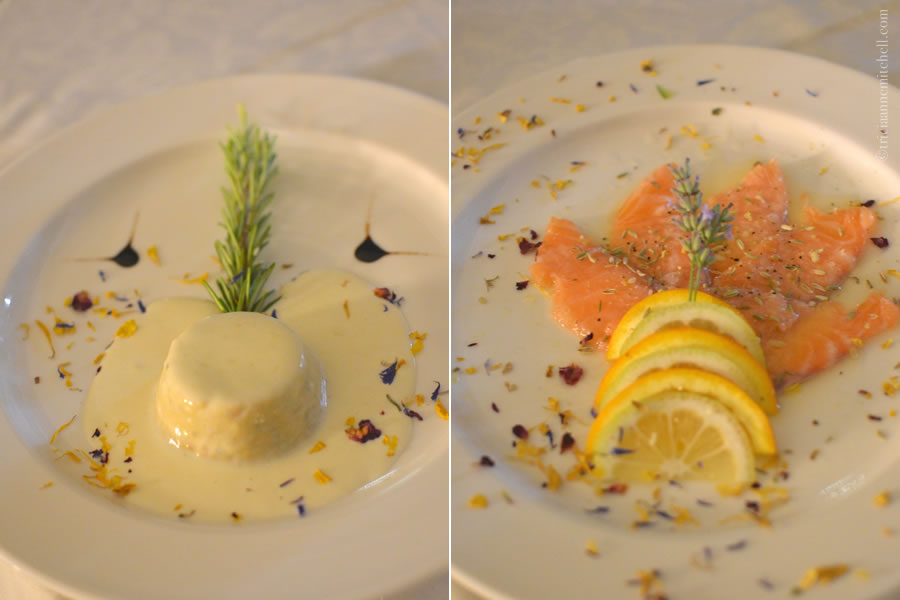










Chef Luigi’s Risotto with Strawberries & Sparkling Wine
Risotto Fragole e Bollicine
Ingredients:
- 180 grams Carnaroli rice
- 6 strawberries (dice 2; reserve others for garnish)
- 1 glass of sparkling Chardonnay
- butter
- Parmigiano-Reggiano cheese
- 2 Liters vegetable broth, boiling-hot
Preparation:
- Reduce the wine in a pot and add 2 diced strawberries.
- Toast the rice in the same pot until the wine is completely absorbed.
- Add the boiling broth until the rice is covered and stir. If necessary add more wine until the rice is cooked (about 16-18 minutes).
- Remove from heat. Add a small spoon of butter and some Parmigiano-Reggiano cheese to taste.
- Garnish the risotto with fresh strawberries. (Chef Luigi served mine on an oversized white plate, with a sprig of lavender. He dusted the rim of the plate with delicate, dried flower blooms.)
Serves two.
Video of this Experience:
Where in the World?
Planning Pointers:
- Agriturismo Tenuta La Romana (affiliate link) and La Riserva del Gusto restaurant are located in the Monferrato countryside, on an adjacent piece of land surrounded by vineyards and agriculture.
- The district of Monferrato is located in Italy’s Piedmont (Piemonte) region, about 55 km (30 miles) southeast of Turin, and 140 km (85 miles) southwest of Milan. High-speed trains link the Piedmont area to Italian tourist meccas such as Rome and Venice. See Trenitalia for schedules and prices.
- To get to Piedmont, we traveled by train from Milan to Asti. While we found mass transit accessibility to be good in larger Italian cities such as Milan and Turin, we were told that public transportation is quite limited in Piemonte’s countryside. Locals routinely advised us to rent a car or hire a private driver.
- Marco, one of Meet Piemonte‘s co-founders, coordinated the details of our Piemonte visit in advance, and guided us through each excursion. He and his colleagues lead customized tours covering everything from wine-tastings, to cooking classes, truffle hunts, hiking and biking excursions, and visits to Piedmont’s rice fields. Having worked in the tourism industry for more than a decade, Marco speaks fluent English and also helped ensure that tour partners took into account my gluten intolerance.
- Need more inspiration? This link contains an index of all my posts from Italy.
Disclosure & Thanks:
Both Agriturismo Tenuta La Romana and La Riserva del Gusto hosted us for these experiences. Mille grazie to the agriturismo staff as well as Chef Luigi, Michela, and waiter Pietro for being so welcoming and sharing their passion for incredible Italian cuisine and hospitality. Also, hearty thanks to Marco at Meet Piemonte for arranging our dinner and lodging.
Photography & text © Tricia A. Mitchell. All Rights Reserved. The video was created by my husband, Shawn.


Join the conversation.