

In 1482, Leonardo da Vinci moved to Milan, where he would work for the ruling Sforza family doing engineering, sculpting, and architectural projects, and most famously, painting his mural masterpiece, The Last Supper. Renaissance genius Leonardo also tended to his own grapevines in Milan — just across the street from the chapel in which he created The Last Supper. Incredibly, Leonardo’s vineyard was in existence for nearly four centuries.
Over time, war, fire, and poor urban planning destroyed Leonardo’s vineyard. While this historic plot of land did receive some attention in the last 100 years (see some black & white photography here), the vineyard was largely forgotten during the twentieth century.
In early 2015 — nearly a century after the vineyard’s obliteration, and after years of research — a portion of Leonardo’s vineyard had its rebirth, thanks to a team of oenologists and scientists specializing in genetics and the study of soil.
Excavating organic matter at the site of the former vineyard, the team was able to determine the exact varietal of grape that Leonardo grew, as well as his vineyard’s original layout.
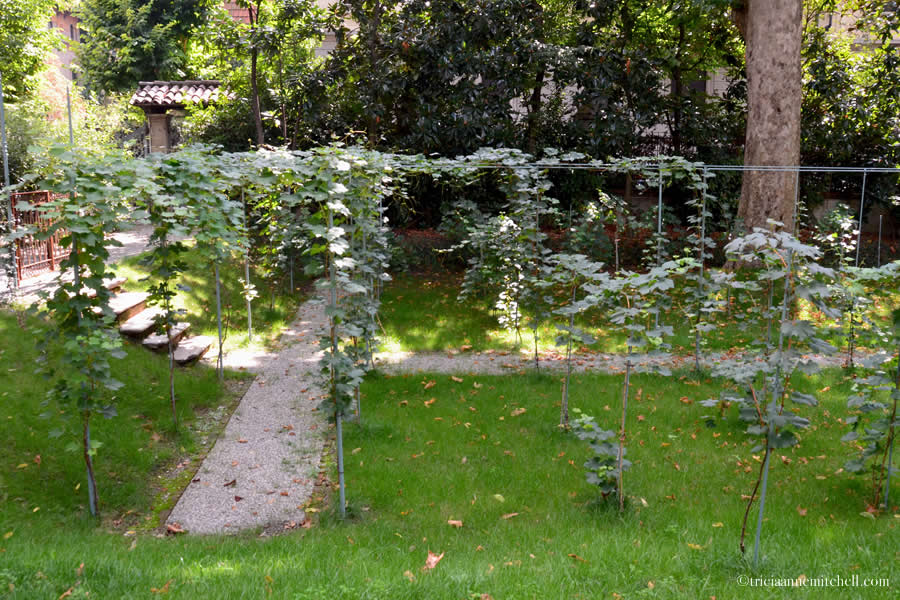
Once officials decided to reestablish the vineyard, University of Milan staff gave the new grapevines a head-start by growing and grafting them in a greenhouse. They later introduced the vines into the soil of the historic plot of land in 2015.
Intrigued by Leonardo
Ever since we met, Shawn and I have been fascinated by Leonardo’s genius. Shortly after we got engaged in 2010, we journeyed to the Loire Valley in central France, which is home to hundreds of châteaux. Of all the castles we visited there, Leonardo’s Amboise “retirement home,” The Château du Clos Lucé, was one of our favorites.
We spent several happy hours strolling Clos Lucé’s gardens and tinkering with life-sized machines — such as a tank, helicopter, and paddle wheel. These inventions were recently brought to life, thanks to Leonardo’s centuries-old sketches. As Sigmund Freud said of the Renaissance genius, Leonardo was “like a man who awoke too early in the darkness, while the others were all still asleep.”
Leonardo epitomizes the “Renaissance man” ideal because he dabbled in so many different disciplines, including anatomy, physics, mathematics, weaponry, the arts, and architecture. The child of a legal notary and peasant mother, Leonardo received no extensive formal education. However, his father set him up with an accomplished Florentine mentor who was renowned for his painting and sculpting abilities. Leonardo grew up in Tuscany, a region long celebrated for its wine production. It’s not a stretch to imagine that Leonardo might have descended from a family of winemakers.
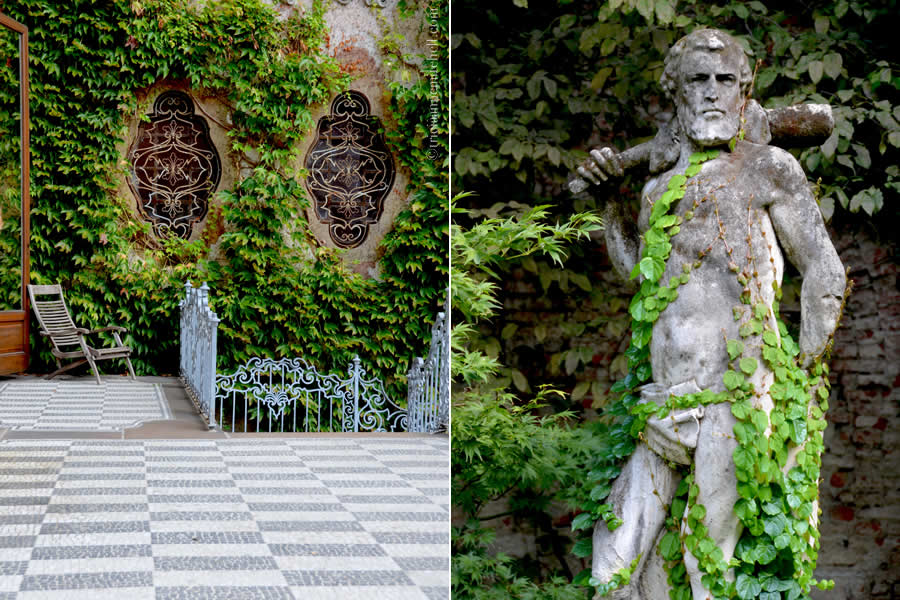
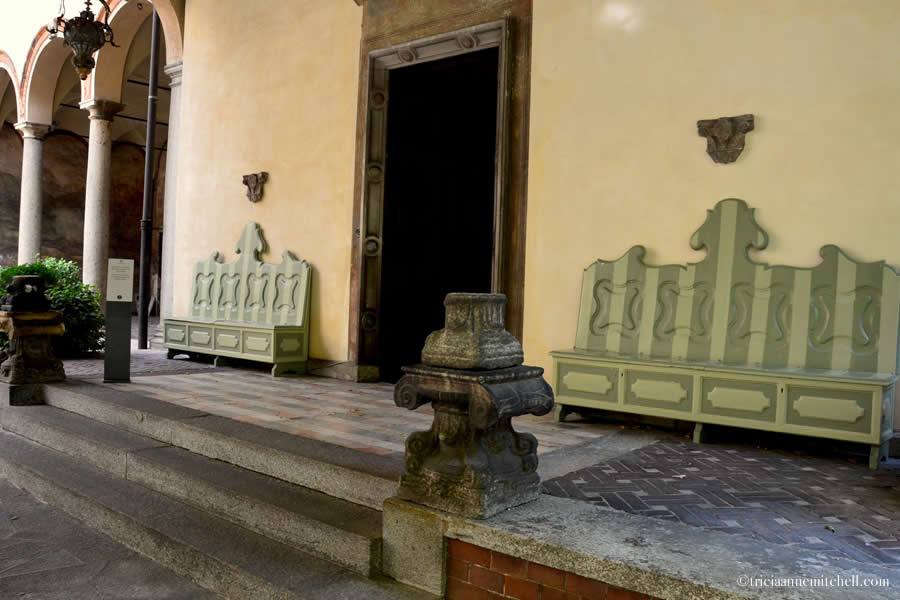
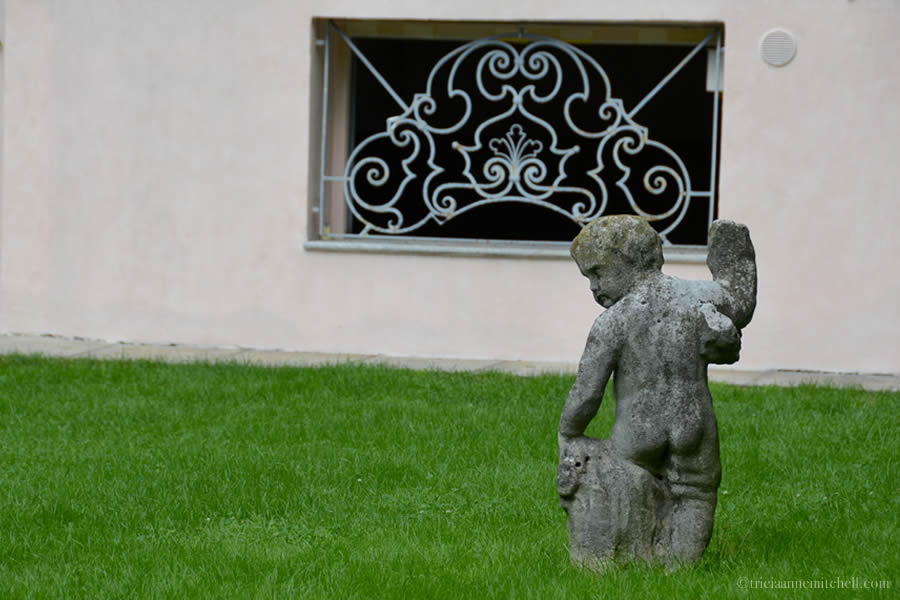
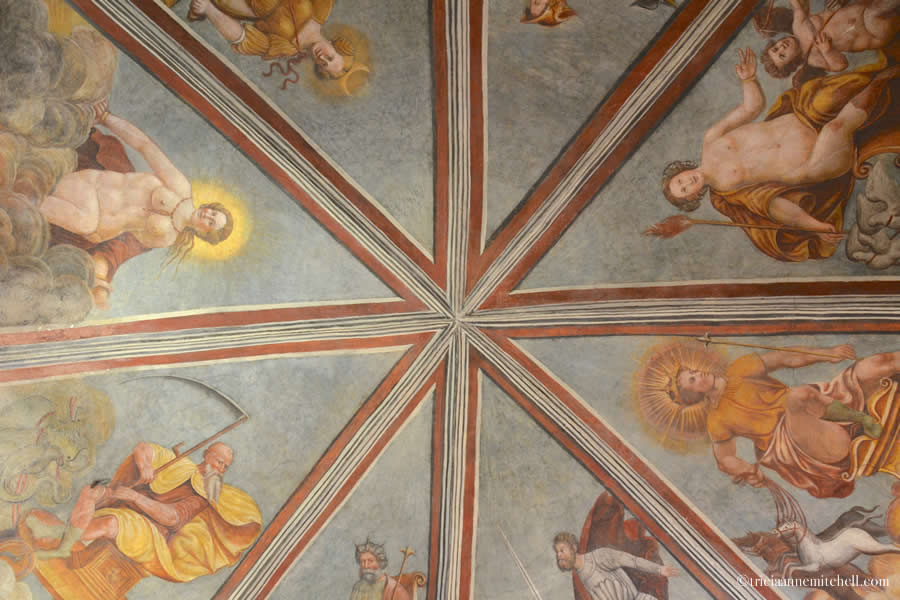
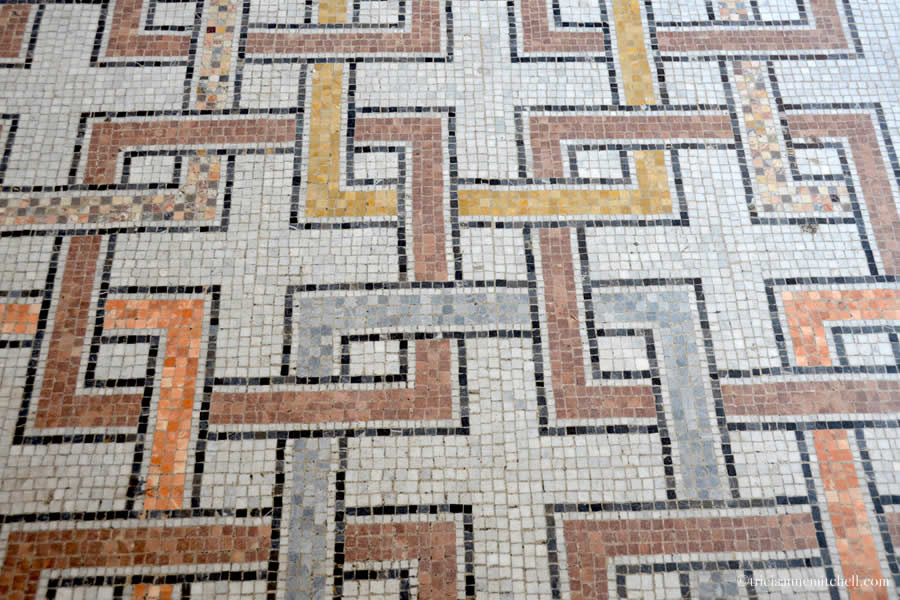
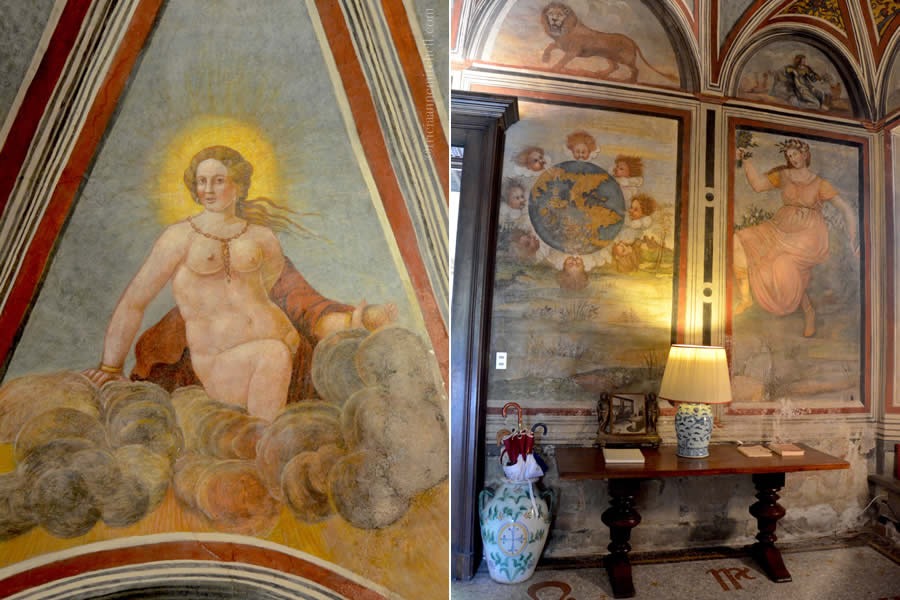
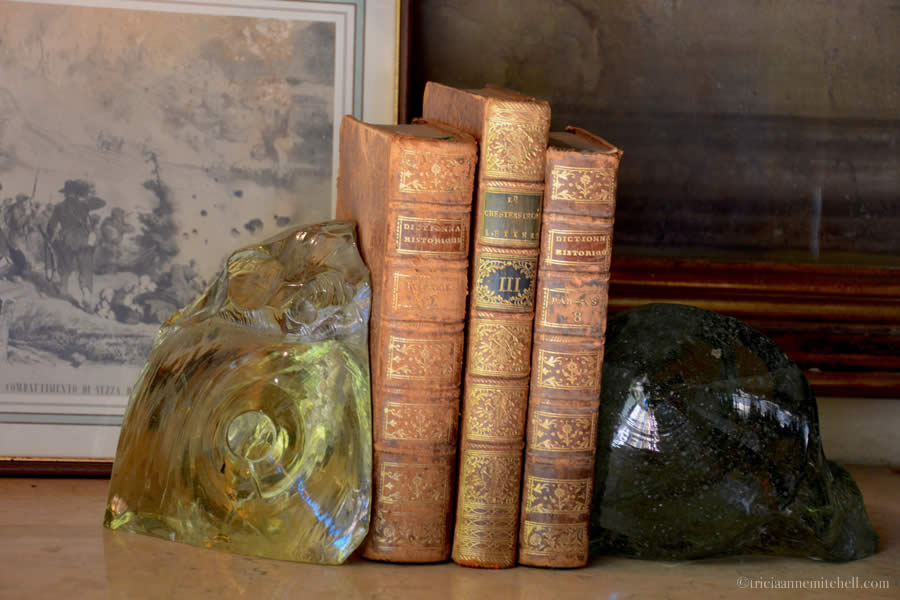
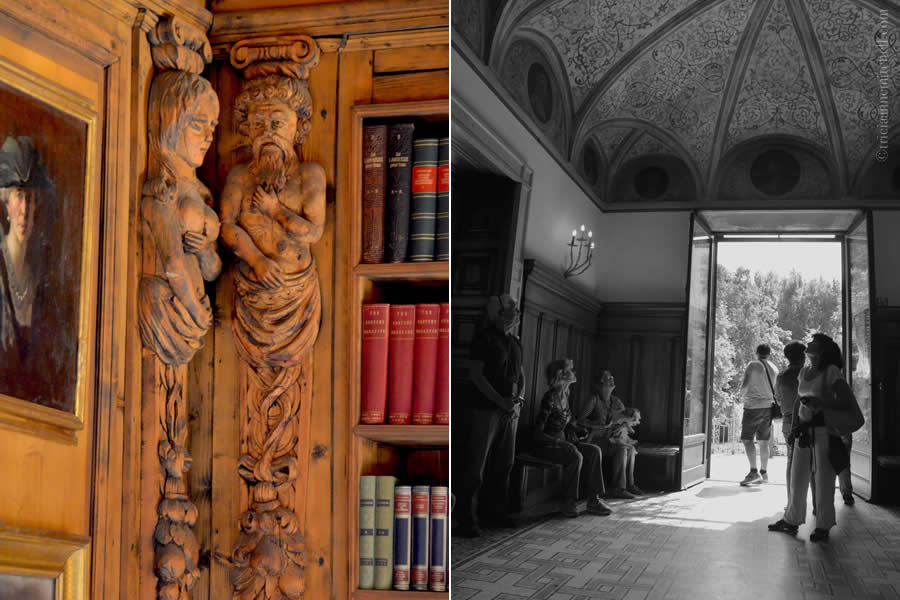
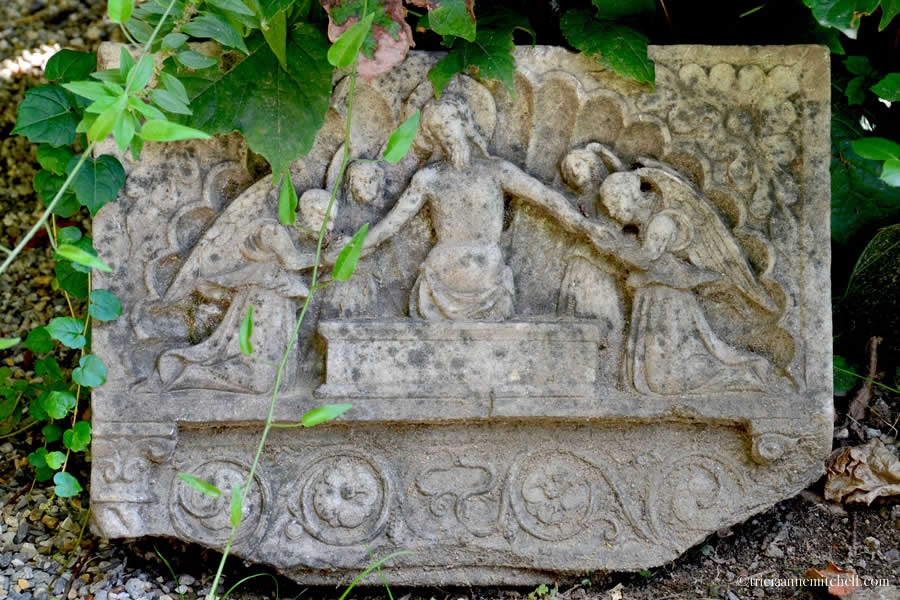
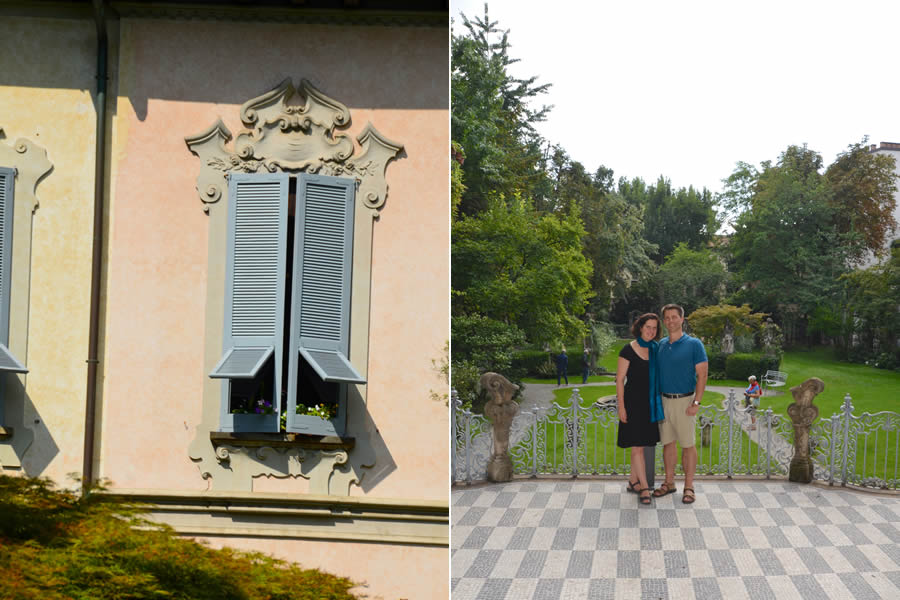
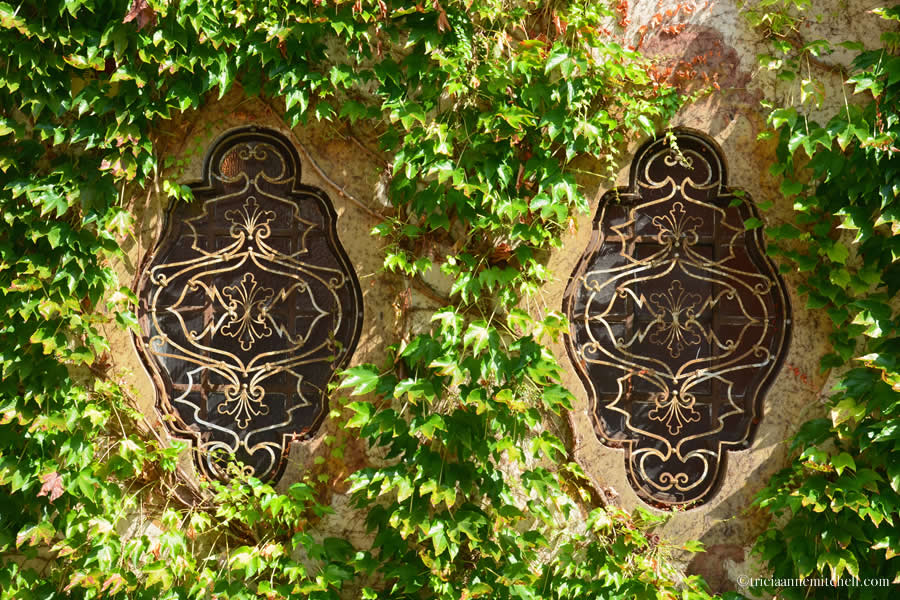
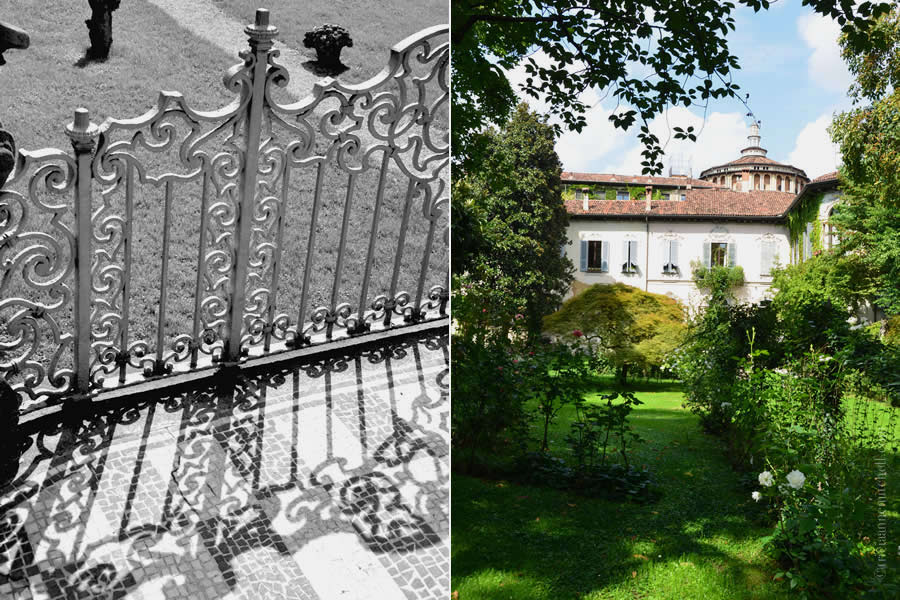
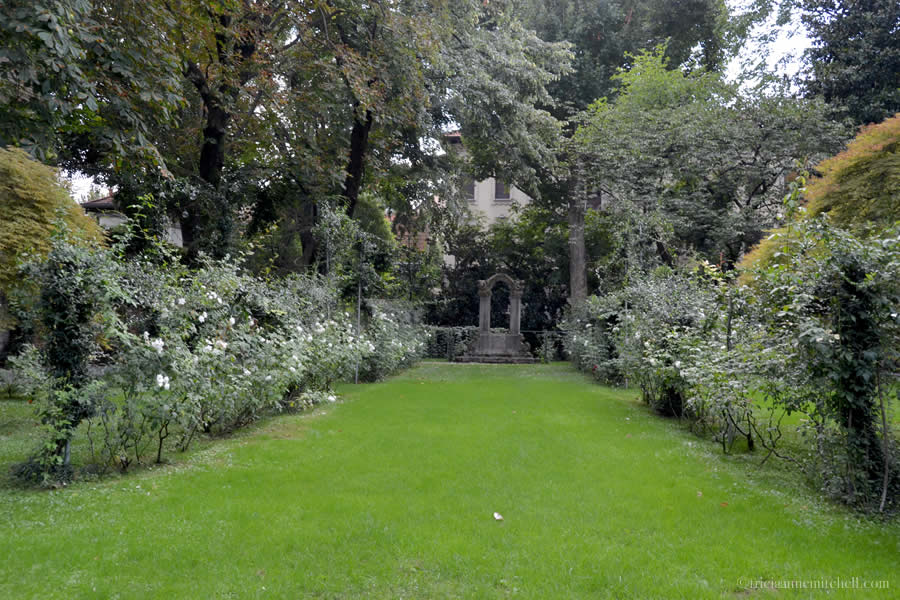
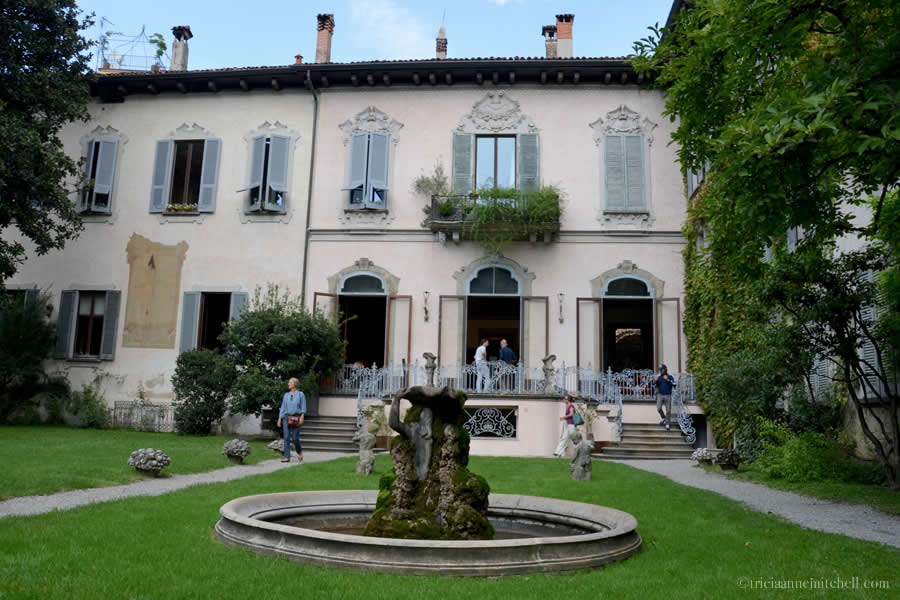
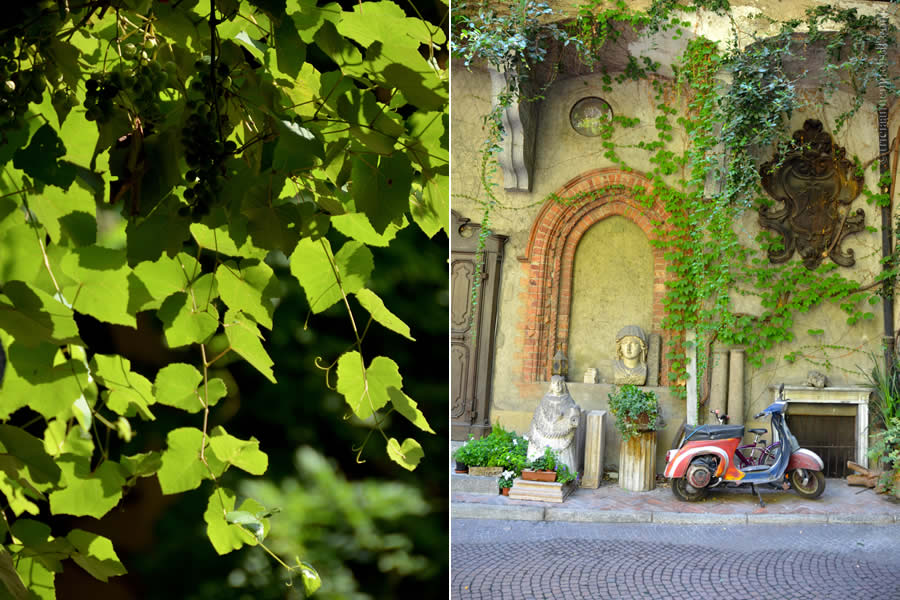
I read the intriguing tale of the rebirth of Leonardo’s vineyard shortly before our visit to Milan. Once we arrived in Italy’s second largest city, we decided it was essential to spend part of an afternoon at the vineyards, which have been called the Museo Vigna di Leonardo. Today, this site consists of the young vines, as well as the Casa degli Atellani, or Atellani House. This private, Renaissance-era home features an elegant interior and lovely gardens.
The History of Leonardo’s Milan Vineyard
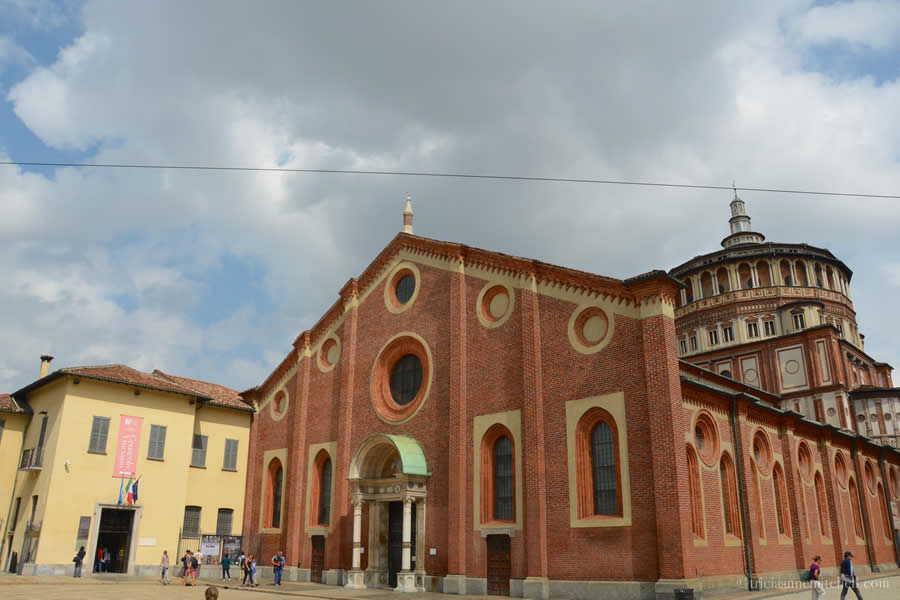
About 13 years after Leonardo moved to Milan, the Duke of Milan, Ludovico Sforza, commissioned Leonardo to paint The Last Supper in the Church of Santa Maria delle Grazie. The project took Leonardo several years to complete, and it’s said that Sforza had hoped to eventually make the elaborate church the Sforza family’s mausoleum. In 1498, Ludovico Sforza gave Leonardo the vineyard, on a plot of land just across the street from Santa Maria delle Grazie. Later that same year, French troops invaded the Duchy of Milan. They imprisoned the Duke, Leonardo’s patron, causing Leonardo to leave Milan.
After Leonardo’s departure from Milan, the vineyards were leased by the father of Leonardo’s former apprentice, Gian Giacomo Caprotti, nicknamed Salai. Shortly thereafter, they were confiscated by the French. In 1507, the vineyard was returned to Leonardo, thanks to the intervention of Charles II of Amboise, the French king’s lieutenant in Italy.
While Leonardo did return to Milan for several additional years, he spent the last three years of his life at Clos Lucé, dying there in 1519. In his will, he left equal shares of the Milan vineyards to his apprentice, Salai, and to one of his most loyal servants, Giovanbattista Villani. About five years later, Salai ended up being killed during a duel, supposedly in or near the vineyard.
In the centuries that followed, the vineyard changed hands multiple times, being donated, sold, and virtually abandoned, along with the Casa degli Atellani, the dignified home adjacent to the vineyard. In the 1920s, fire and poor city planning further took their toll, causing the vineyard to disappear.
During World War II, the Casa degli Atellani, its gardens, and the vineyard suffered more damage during Allied bombing campaigns. Sadly, building rubble buried what was left of the vineyard site.
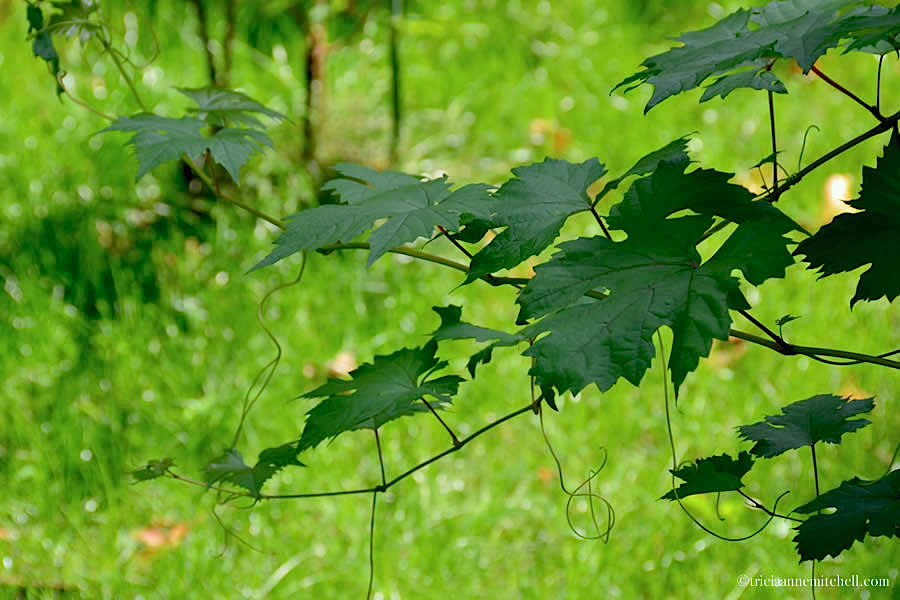
In 2014, after several years of research and speculation, the fragments of the vineyard’s roots were located, allowing scientists to analyze them in a laboratory setting and determine the exact variety: malvasia di candia aromatica.
As Shawn and I looked at the young vines behind the Casa degli Atellani, we tried to imagine Leonardo tending to his vineyard in that very spot centuries ago.
What remains to be seen is if any wine will eventually be produced from the malvasia vines now thriving in this historic setting.

“The discovery of a good wine is increasingly better for mankind than the discovery of a new star.”
Leonardo da vinci
What Leonardo-related masterpieces or artifacts are some of your favorites? Have you been to any artist’s homes that you would recommend? Claude Monet’s garden & home in Giverny, France is one of my favorites, as is the Meštrović Gallery in Split, Croatia. Please share your thoughts below.





Video of This Experience:
Where in the World?
Planning Pointers:
- The Casa degli Atellani, which features Leonardo da Vinci’s restored vineyards in its back gardens, is located at Corso Magenta, 65, in Milan, Italy. The home is located just across the street from Santa Maria delle Grazie, the church which houses Leonardo’s The Last Supper mural. To see opening hours or make ticket reservations to see the vineyards and the Casa degli Atellani, consult the Museo Vigna di Leonardo website.
- Our trip to Milan developed rather spontaneously, and as a result, we couldn’t secure tickets to see The Last Supper. (In Italian, this mural painting is called L’ultima cena or Il Cenacolo.) The official ticket office offers tickets for sale months in advance. It’s also possible to purchase tickets as part of a pre-arranged, private tour. When we stopped in to the ticket office to see if any last-minute tickets were available, the employees suggested we return early the next morning and wait in line. We didn’t have enough time to do this, so the next time we visit Milan we’ll be sure to book far in advance!
- The Biblioteca Leonardiana website has digitally archived many of Leonardo’s manuscripts. This helpful site explains how to use the Biblioteca Leonardiana, which showcases fascinating drawings.
- Need more trip-planning inspiration? This page contains an index of all my posts from Italy.
Disclosure & Thanks:
The Museo Vigna di Leonardo hosted us for this visit.
Photography & text © Tricia A. Mitchell. All Rights Reserved. Video footage is a creation of my husband, Shawn.


Join the conversation.