
Category: Collages
-

The Roses of Bulgaria
In May and June, residents of Bulgaria’s Rose Valley harvest the area’s roses, filling baskets with magnificent pink and red petals, which are then distilled and turned into rose oil for the cosmetic industry. Bulgaria produces the bulk of the world’s supply. When you consider that it takes approximately 2,000 to 4,000 kgs. (4,000 – 8,000 pounds) of rose…
-

The National Revival Architecture of Plovdiv, Bulgaria
Along Plovdiv’s winding, cobblestone lanes you’ll encounter fine, jewel-toned homes epitomizing Bulgaria’s National Revival architectural style. These mansions are decorated with stained-wooden shutters and trim. The buildings are also embellished with flourishes that depict peacocks, flowing ribbons, and flowers.
-

The Pintxos of Basque Country – Spain
In Spain’s Basque Country, pintxos – a finger food similar to tapas, are ubiquitous fare in small bars. Pincho (the Spanish version of the name) or pintxos (the Basque version) means ‘spike’ and helps to distinguish this toothpick-adorned treat from its tapas cousins, which generally aren’t served with toothpicks. Go into a bar – especially in the late-afternoon hours –…
-

The Eclectic Windows of Sarajevo, Bosnia-Herzegovina
To wander Sarajevo’s streets is to journey through the centuries while diving into a grab bag of architectural styles. In the city’s Baščaršija district, which feels like Istanbul in miniature, artisans craft Turkish-style copper coffee pots under towering minarets and mosques dating back to the 16th century. Along the Miljacka River, the city’s Vijećnica building —…
-
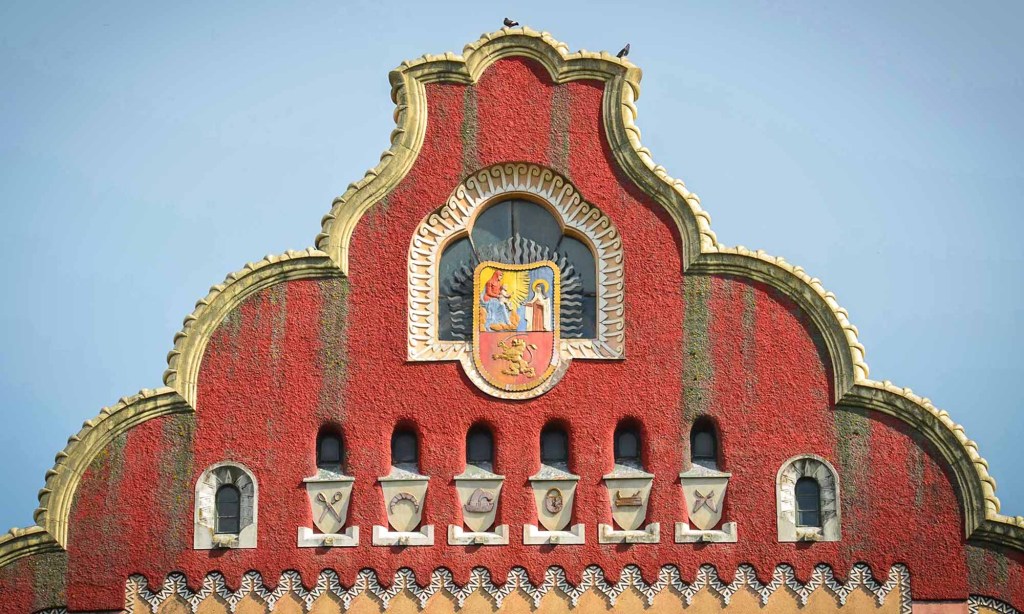
The Art Nouveau Treasures of Subotica, Serbia
Situated in northern Serbia, the city of Subotica is like a treasure box overflowing with Art Nouveau gems. Most of the buildings were constructed in the early 20th Century, when Serbia and neighboring Hungary were part of the Austrian-Hungarian Empire. Designers incorporated whimsical details, colorful flourishes, and folk art into Subotica’s City Hall, Synagogue, private homes,…
-
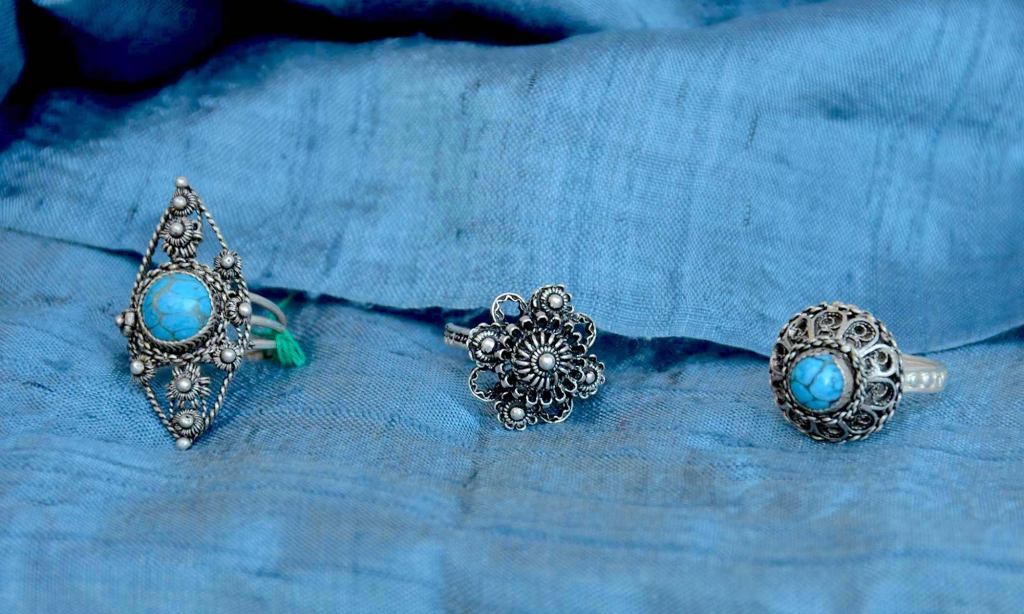
The Art of Making Croatian Filigree Jewelry – Split Croatia
When he was just 13 years old, Split jeweler Viktor Čivljak started learning the fine art of making filigree jewelry from his father, a second-generation jeweler. Today, the 73-year-old master jeweler incorporates breathtaking designs into entirely-handmade brooches, bracelets, earrings, hair pins, pendants and rings. Seemingly spun out of delicate silver thread, Viktor also creates cuff-links, decorative spoons…
