
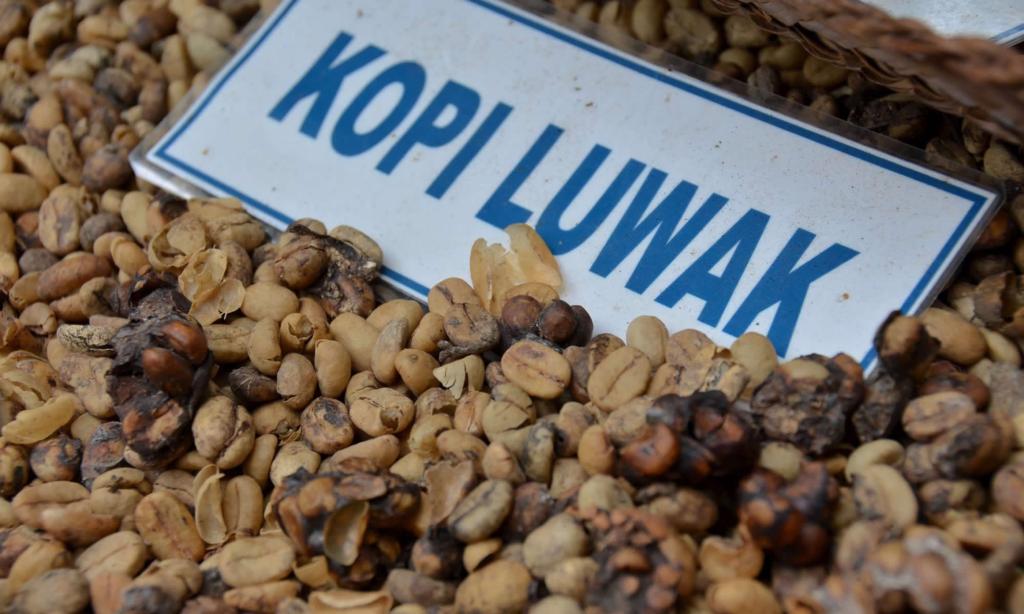
On a Balinese coffee plantation, during a downpour of torrential proportions, we swilled cups of the world’s priciest and rarest coffee – Kopi Luwak. In gourmet establishments across the globe, this cup of Indonesian java would cost upwards of $50 a cup. This coffee may sound familiar, as it has been featured in numerous foodie publications, on Oprah, and in the movie The Bucket List.


To avoid sounding pretentious, I’ll mention a few tidbits, the latter of which might turn your stomach.
The little cup of goodness I savored had a price tag of 50,000 Indonesian Rupiah, or about $5 USD.
And, Kopi Luwak beans are processed in an unusual way: They are extracted from animal excrement. (Kopi Luwak translates to “civet coffee.”)

The Asian Palm Civet, a weasel or raccoon-like creature, eats coffee bean pods, known as cherries. The fruit of the cherry is broken down inside the civet. However, the coffee beans pass through the animal’s digestive tract intact. They are then excreted into sought-after droppings.
Studies have shown that the civet’s stomach acids and enzymes digest the beans’ covering and actually ferment the beans. This process breaks down the acidic flavor found in traditional coffee.


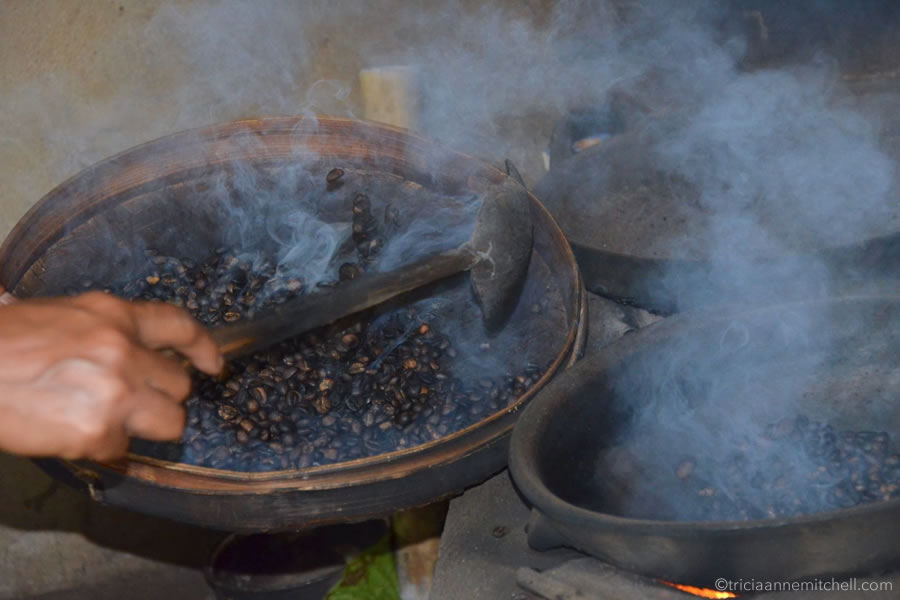
Locals in Indonesia (Bali, Java, Sumatra, Sulawesi), the Philippines, and East Timor gather the civet’s output. The critters’ pricey poop is then sold to coffee producers who extract, clean, sun-dry, and roast the beans.


Kopi Luwak coffee is renowned for its smooth taste, something I immediately noticed when enjoying my initial sip of the gourmet brew. I consider myself to be more of a social coffee drinker in that I don’t need coffee infusions multiple times per day. I always neutralize my coffee with milk to cloak its acidity. Call me a coffee lightweight.
The Kopi Luwak flavor was quite different from any other coffees I’ve ever tasted, though. I drank it straight, and it was ever so light! It had a hint of a nutty flavor, but no bitter aftertaste whatsoever. It was as smooth as the silk batik being touted at practically every souvenir shop in Bali.
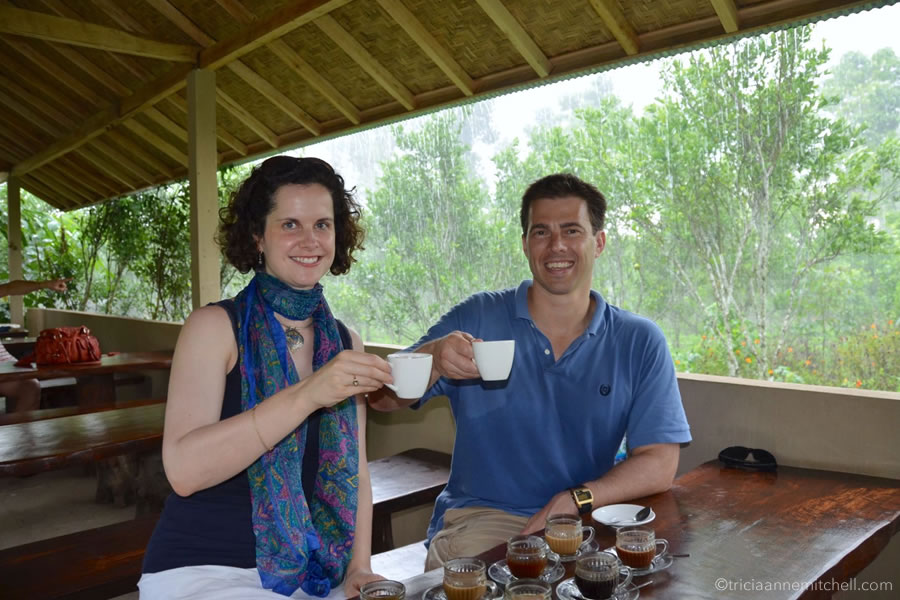

Of course, $5 for a cup of coffee is an extravagant amount in a country like Indonesia, where the average Balinese worker earns $25 per week. (Keep in mind that Bali is Indonesia’s most well-to-do island; residents in other areas of Indonesia make less.) But for coffee connoisseurs, the price is a steal given that Kopi Luwak sells for between $100 and $600 per pound in many parts of the world.
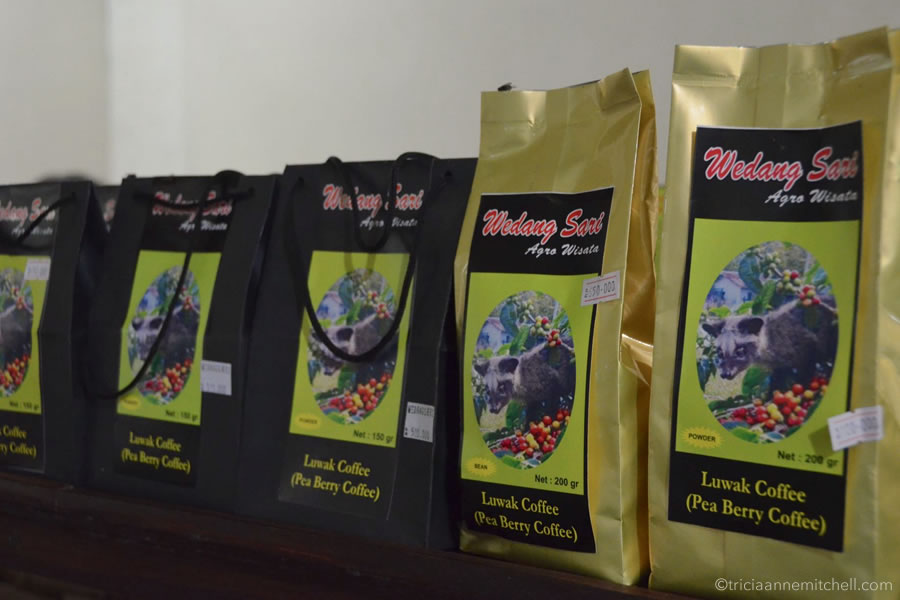
You might be left wondering how Kopi Luwak was ever even discovered – who first took the plunge?
It turns out that it was the Indonesians themselves during the era of Dutch colonization(1830-1870). European colonists saw themselves as being culturally superior to the natives and aimed to prevent them from partaking in their environment’s natural resources. As a result, the Dutch colonists did not allow the locals to pick coffee fruits for their own consumption.
Despite the ban on java, native plantation workers and farmers still wanted their own caffeine kick. When they saw the coffee bean- plentiful civet droppings, they devised a way to make their own coffee (after processing the beans via the same process used today). It didn’t take long for the Dutch plantation owners themselves to discover the merits of this new coffee blend, turning Kopi Luwak into a popular and expensive treat.

In an era of E. coli and animal-derived illnesses, you might be thinking, “What about harmful germs?” Germ-phobes’ minds can be put at ease thanks to numerous studies that have been conducted by food scientists. It seems that washing and high-temperature roasting kill any frightening organisms.
I have a confession to make, though. Kopi Luwak wasn’t my favorite beverage at the Wedang Sari Plantation. Perhaps I’m unsophisticated in the coffee sense, but I preferred the eight teas and coffees that we sampled after our Kopi Luwak break. Using a mélange of spices grown on the plantation – everything from ginseng and ginger to lemongrass and vanilla – the java and tea tastings were extraordinarily flavorful.
Perhaps it would be a culinary crime to corrupt the prized Kopi Luwak beverage by adding a swirl of coconut milk or rich spices, but it’s a punishment I’d be willing to risk.

1. 100% cacao 2. Balinese coffee 3. Ginseng, coffee & coconut cream 4. Ginger tea & sugar 5. Vanilla, cacao & coconut milk 6. Ginger, brown sugar & coffee 7. Chocolate with coffee, cacao milk & sugar 8. Lemongrass tea & honey



Where in the World?
Planning Pointers:
- Wedang Sari Plantation address: Ds. Sekaan, Kintamini, Bali. For contact information, see the Wedang Sari Facebook page.
- The plantation features a shop with heavenly treats – ranging from vanilla bean stalks to turmeric, cacao, brown sugar, cinnamon, and of course Kopi Luwak. A 200-gram bag of Kopi Luwak retails at 650,000 Rupiah (approximately $72 USD).
- How to Get to the Wedang Sari Plantation: When we approached a travel agency in Ubud, the driver immediately knew of the Wedang Sari Plantation, which is not far from Ubud. It’s about 9 miles, or 15 km. from the Ceking Rice Terrace. We visited the plantation following two brief stops at Goa Gajah (the Elephant Cave Temple) and Gunung Kawi (the Rocky Temple) and prior to having lunch overlooking volcano, Mount Batur.
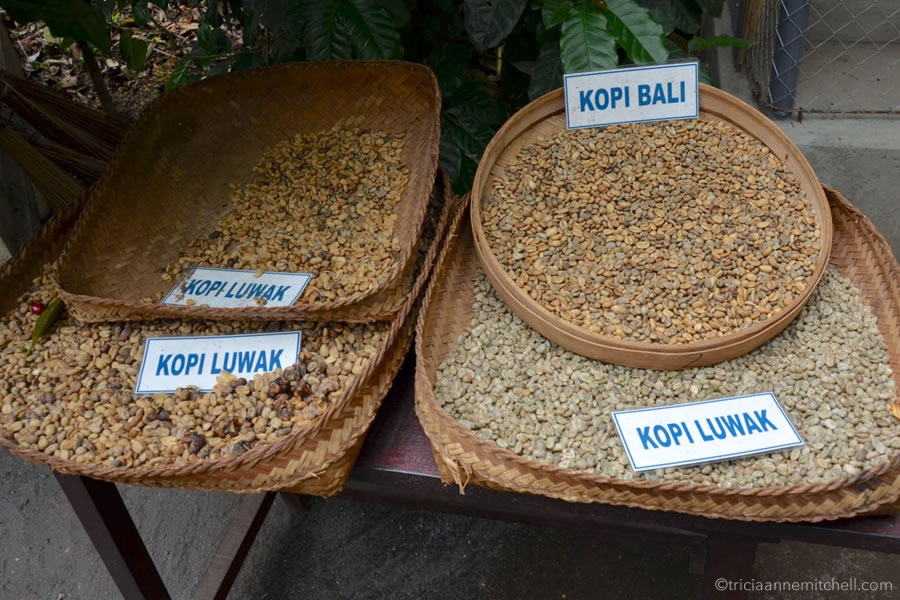
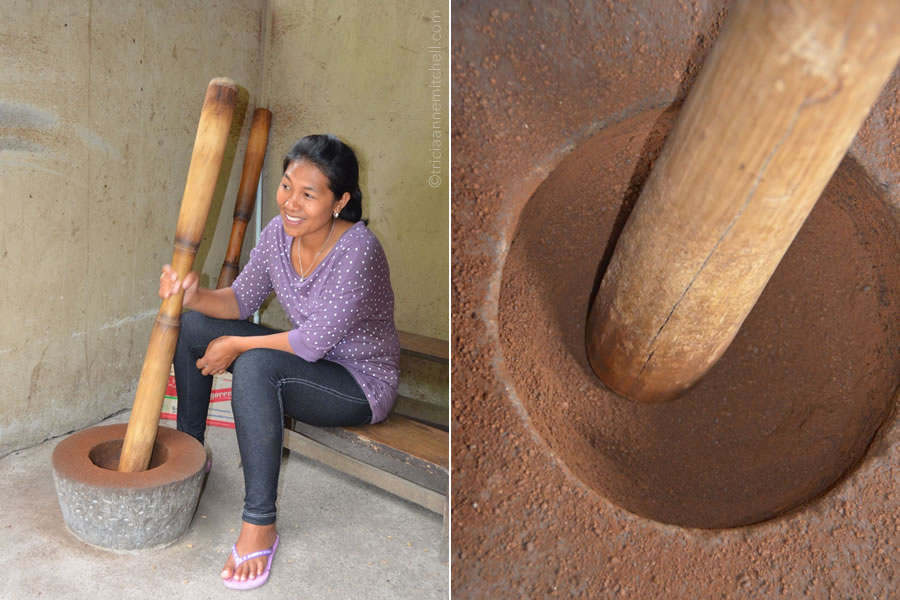
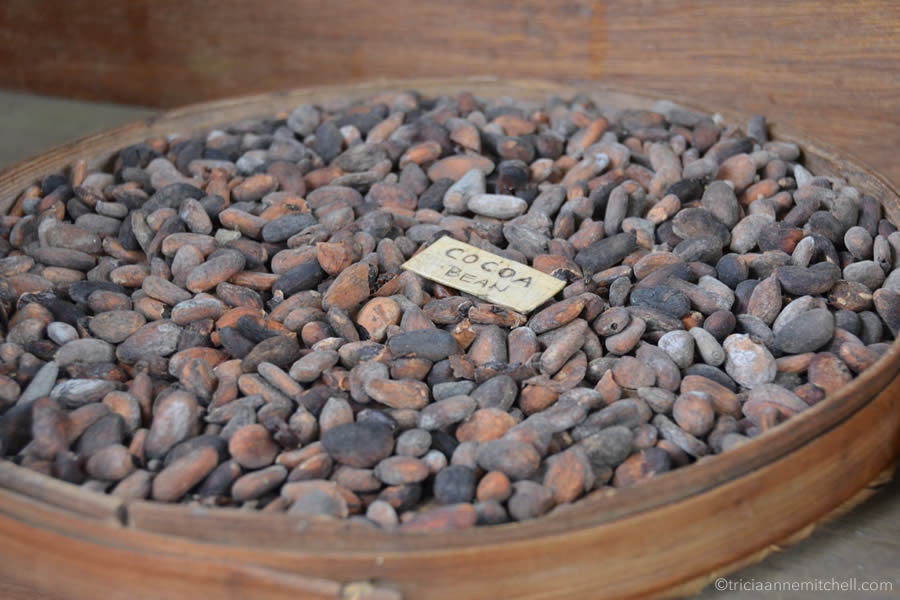
- Even though Wedang Sari is not a traditional working plantation, visitors can still walk among the various trees bearing cinnamon, cacao, coffee berries and lemon grass offerings. A civet sleeping in a cage (I do not know how long the fellow is left alone, as it seems inhumane to have him in a cage) and pet bat are on display, as are baskets of traditional beans and pre-processed (yes, poopy) Kopi Luwak beans. Staff members roast and ground samples of Kopi Luwak there on-site, and the girl doing the grinding, allowed me to try my hand at pulverizing the beans. “More muscle,” she said. The smell emanating from the grounds was tantalizing!
- If you’re looking for a personable, energetic and knowledgeable driver, do contact Mowgli Wayan, who took such good care of us during our day trip:
- Tel: +62 81 338 983 444
- Email: mowgli_wayan@yahoo.com
- Web: www.mowglibalitours.com
- Accommodation in Bali: We spent three weeks in Bali — one week in Jimbaran, and two weeks in Ubud. We would happily revisit these two properties (affiliate links):
- Jimbaran – Nestled in a semi-residential area not far from the beach, we had a pleasant stay at the Villa Puri Royan. Though the rooms were not fancy, our room’s views of the neighborhood were pretty, and the staff was incredibly friendly. On days when we needed to stay inside and catch up on email, it was convenient to eat in the in-house café. We were happy to have stayed in a more understated place like Jimbaran (at least circa 2011), as Kuta was a bit too hectic for our tastes.
- Ubud – For two weeks, we stayed at the pretty and tranquil Nirwa Homestay, run by Madde and Ayu. The family-run guest house was surrounded by a panorama of rice paddies, and our soundtrack was that of nature: crickets, confident roosters, and babbling canals. When you go, be sure to order Ayu’s legendary green banana pancakes for breakfast. If she has time, Ayu might even show you how to make them!
Note: Excerpts of this article were also re-published on the Matador Network.
Photography & text © Tricia A. Mitchell. All Rights Reserved.


Leave a reply to Tricia A. Mitchell Cancel reply