

“All wars are civil wars, because all men are brothers.”
François Fénelon
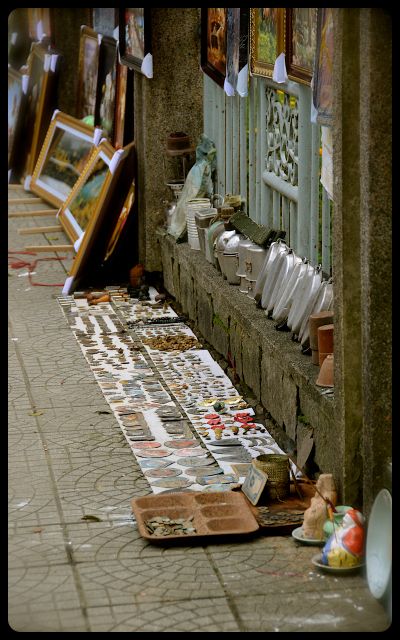
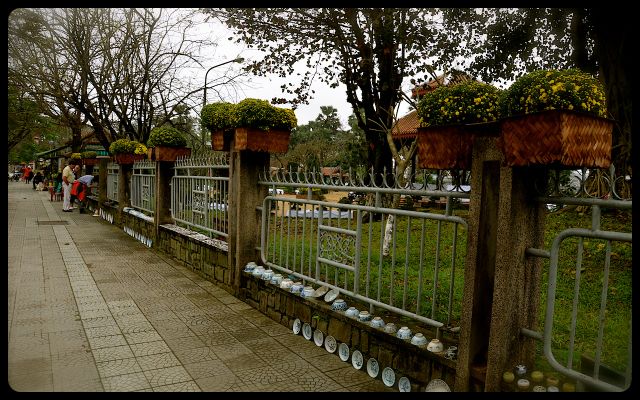
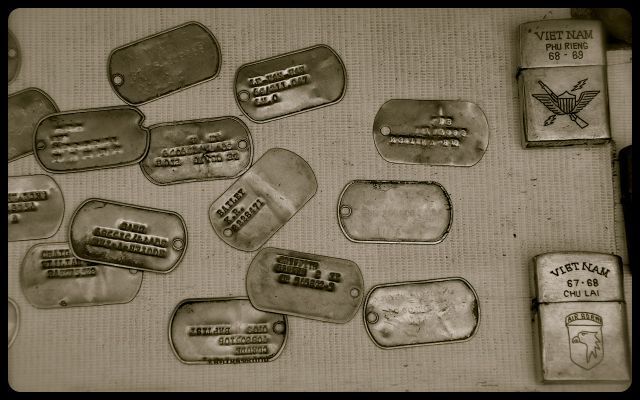
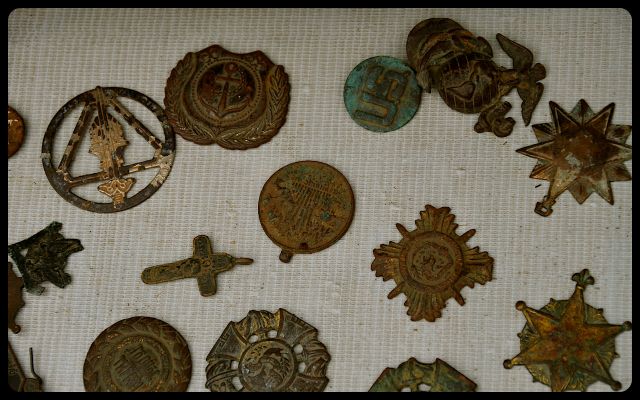
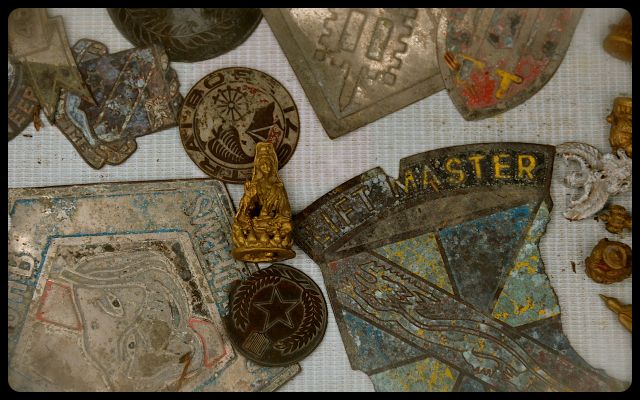
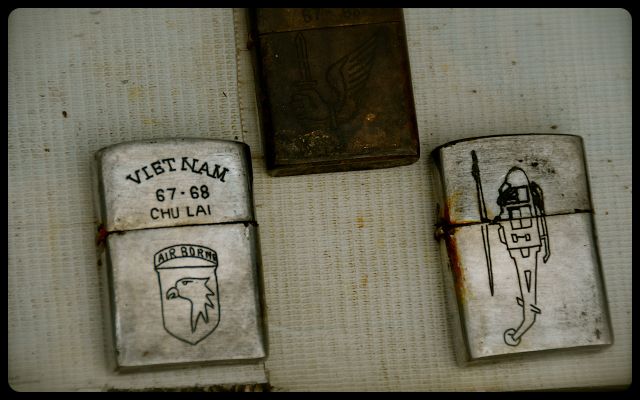
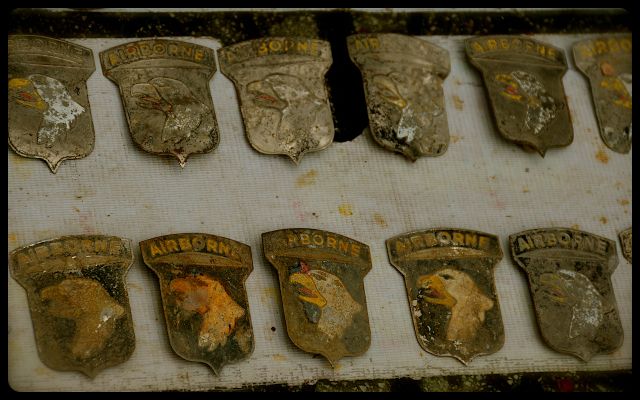
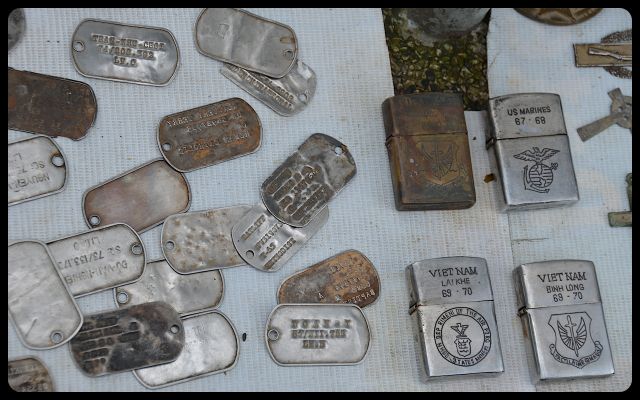
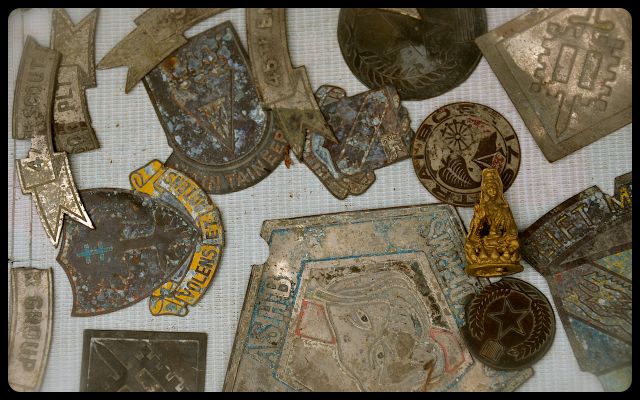
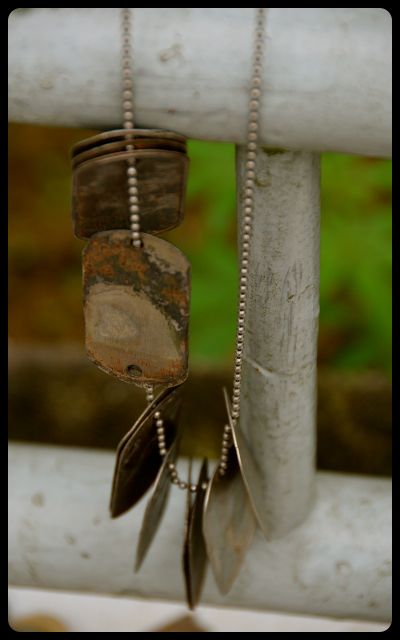
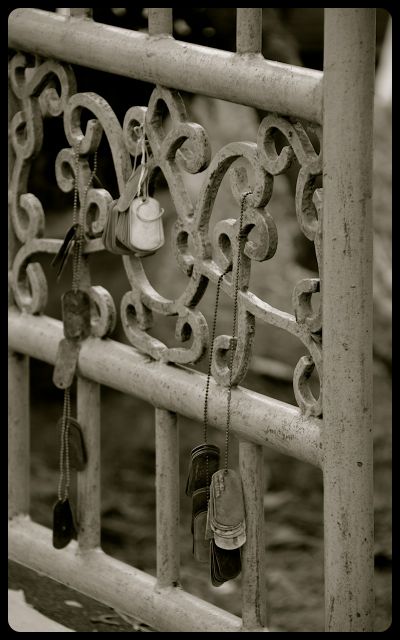
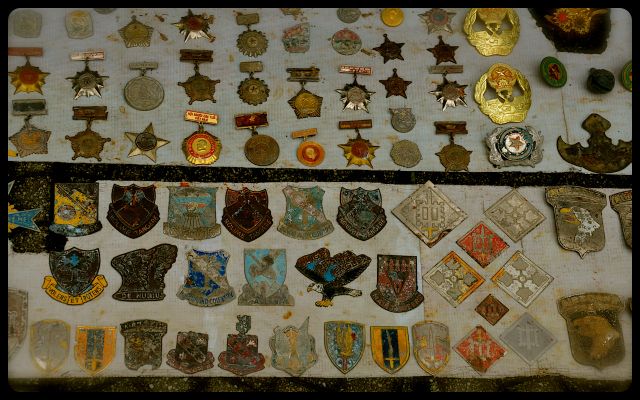
On a bustling road leading to Hué’s once-grand Imperial City are sidewalk plots where vendors sell antique blue and white china, happy Buddha statues, and items reminding passersby of tragic chapters in Vietnam’s history. The items are harmoniously intermingled: North Vietnamese battle awards, French and American insignia, and dog tags purported to be from South Vietnamese and American soldiers.
As we passed the makeshift market, I asked the vendor – a Vietnamese man sporting an army green outfit, hat, and long beard – where he acquired the items.
“We use metal detector in the jungles,” he said, while cradling a colorful collection of North Vietnamese awards in the palm of his hand.
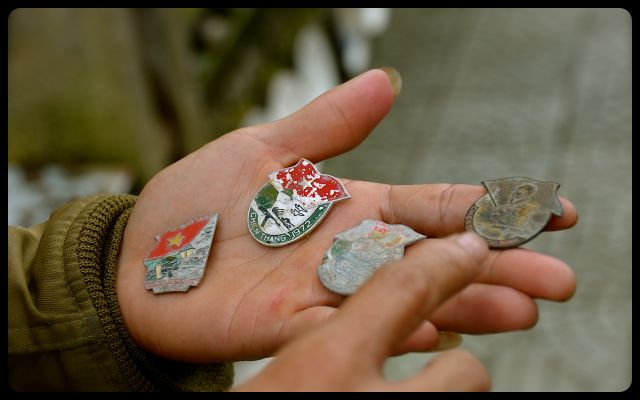
“This for a big battle here in Hué in 1968 in Tet [the Chinese New Year]. All soldier get this,” he said, while pointing out a metal pin-like object. It bore the colorful silhouette of a North Vietnamese soldier, crouched on the ground below the same red and gold flag that is so ubiquitous on Vietnamese streets today.
“That 100,000 dong ($5 USD),” he said. “But this Ho Chi Minh medal 200,000 dong,” he remarked, pointing to a faded and slowly rusting memento.
“And these French cross from French Indochina War,” he added.
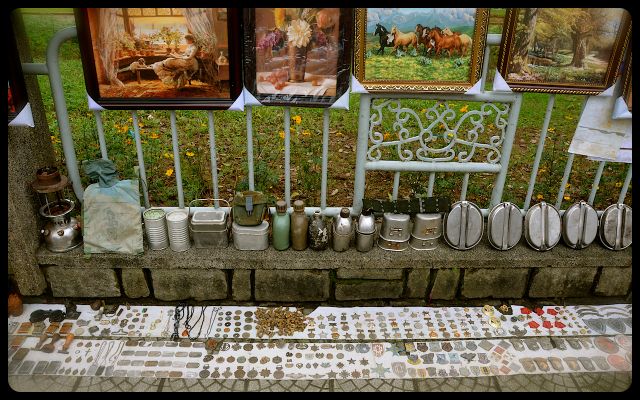
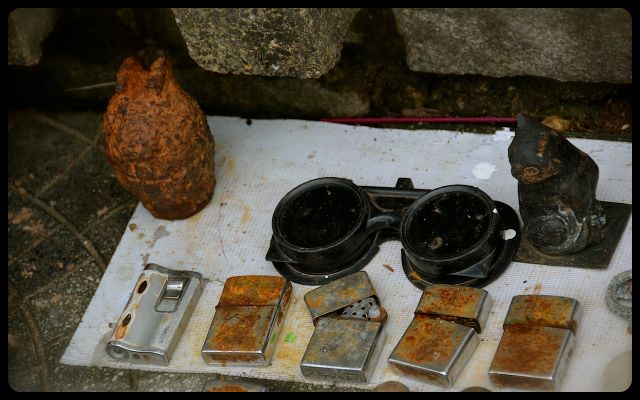
Under a row of oil paintings with horse, still life and landscape subjects, canteens and dishes for mealtime collected the occasional rain droplet. Some outer rusted shells showed their age and the weather they’ve had to endure in the decades since the Vietnam / “American” War. A rusted, unused grenade sat beside a figurine of a black cat, only separated by a pair of military goggles.
As I photographed the items for sale and strolled along the sidewalk, I pondered how the dog tags came to have been left in the jungle.
Did the soldiers die? Would their loved ones back in the United States wish to have them now? Were they even authentic?
I thought it ironic that items representing previously warring factions could now be co-mingled in such a peaceful mélange: Buddhist icons and French crosses from the French Indochina War, American Airborne crests and North Vietnamese battle medals and American Zippo lighters.
Perhaps this modern market’s mélange of mementoes was symbolic of Vietnam today – a North and South united and the Vietnamese treating us with kindness even when they learn that we are American.
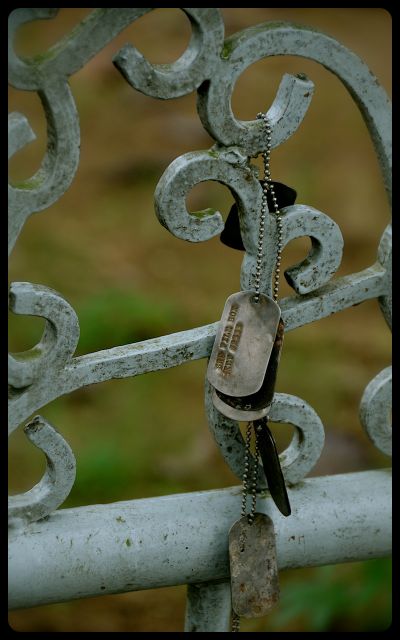
We did not purchase any items. As we left the vicinity of the citadel market to return to our hotel on the other side of the Perfume River, I had a difficult time erasing the memory of the dog tags dangling on the crackling celadon-green colored railing.
When I returned to our hotel, I began researching the status of these items, to try to ascertain if they were legitimate. One article detailed the findings of an American forensic anthropologist who concluded that many of such items for sale in Vietnam were authentic. He concluded that the dog tags might have belonged to a service member who simply lost them, was killed in action or received medical treatment.
According to a post on the American Chamber of Commerce in Vietnam website, many of the dog tags for sale are genuine.
There are several organizations in the United States today that are working to reunite the dog tags that are sometimes found in Vietnamese markets, with former soldiers or remaining family members.

Where in the World?
Photography & text © Tricia A. Mitchell. All Rights Reserved.


Join the conversation.