
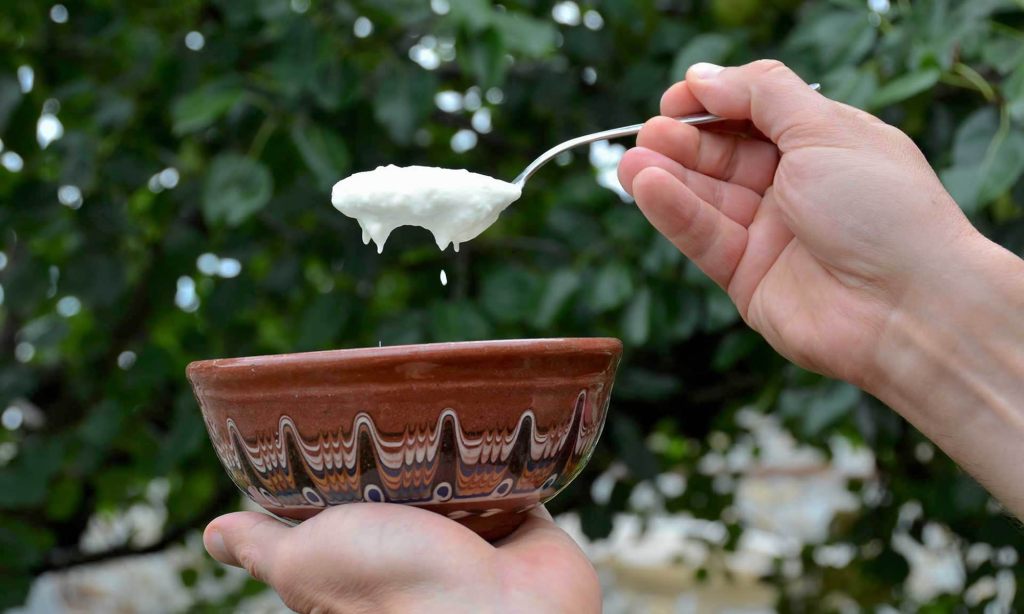
One of our favorite things about Bulgaria’s tasty cuisine is its yogurt, which is appreciated worldwide because of its health benefits and creamy texture.
The people of the Balkans have been making yogurt for more than three millennia. Lactobacillus Bulgaricus, the bacteria responsible behind Bulgaria’s prized yogurt, is enjoyed as far away as Japan and China. In fact, Bulgarian yogurt dominates about 60% of the Japanese market! It’s widely believed that yogurt’s probiotics even help digestion.
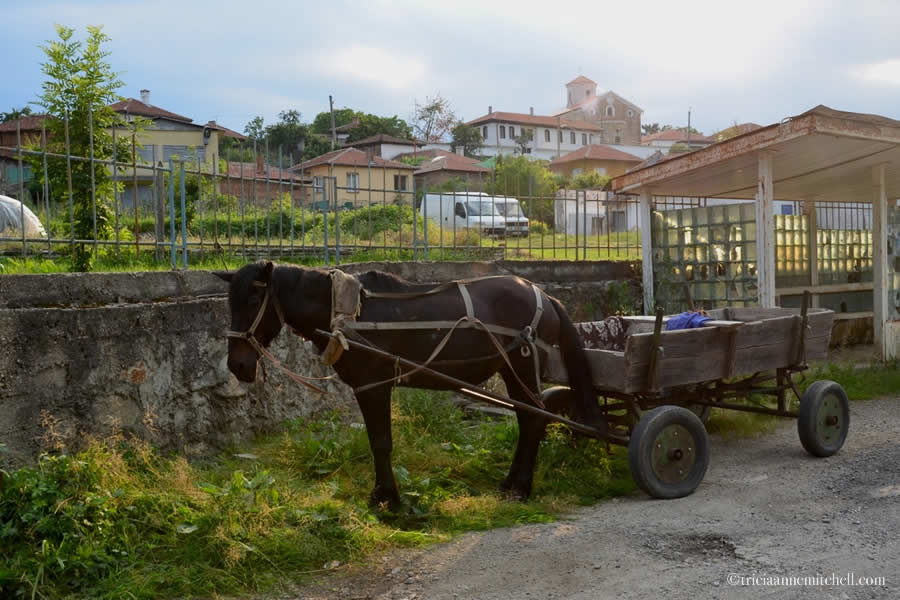
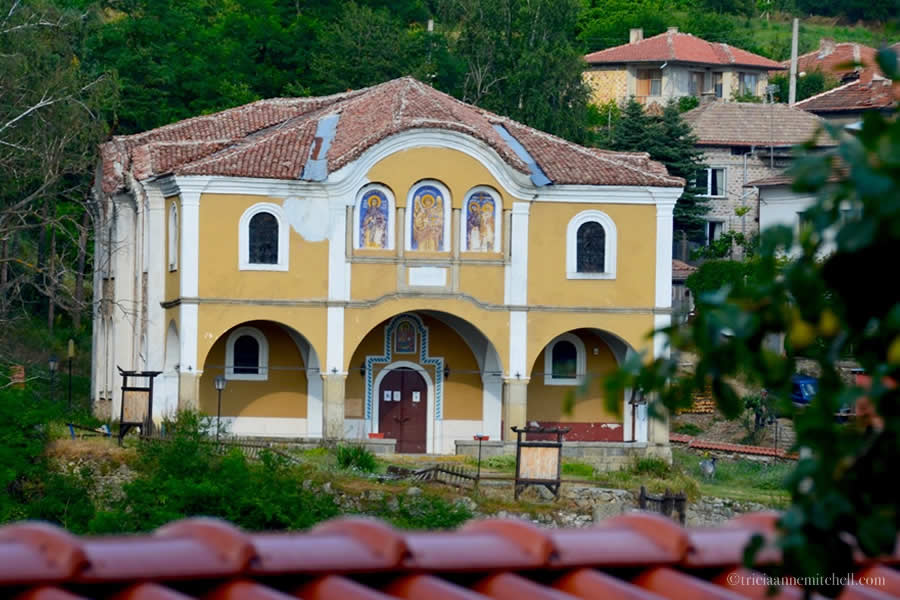
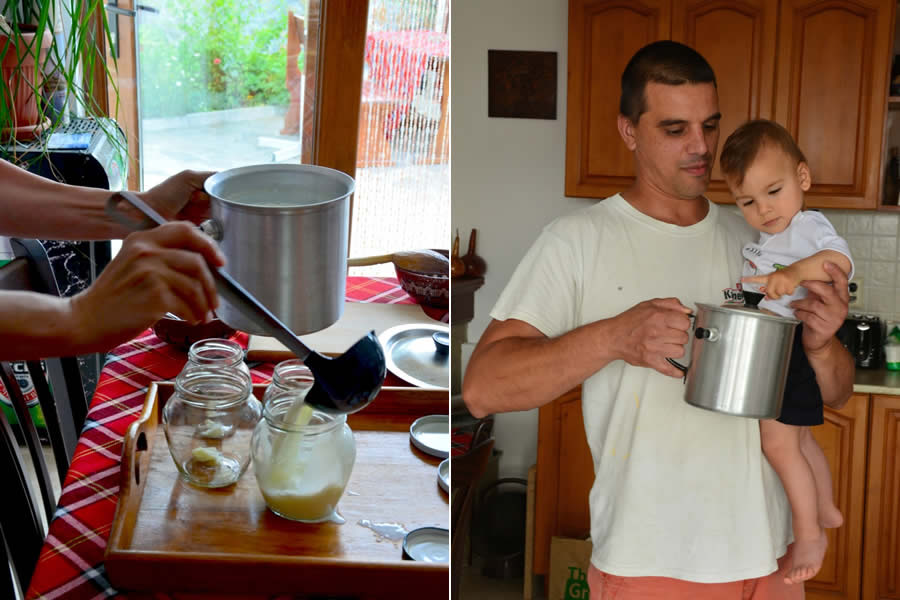
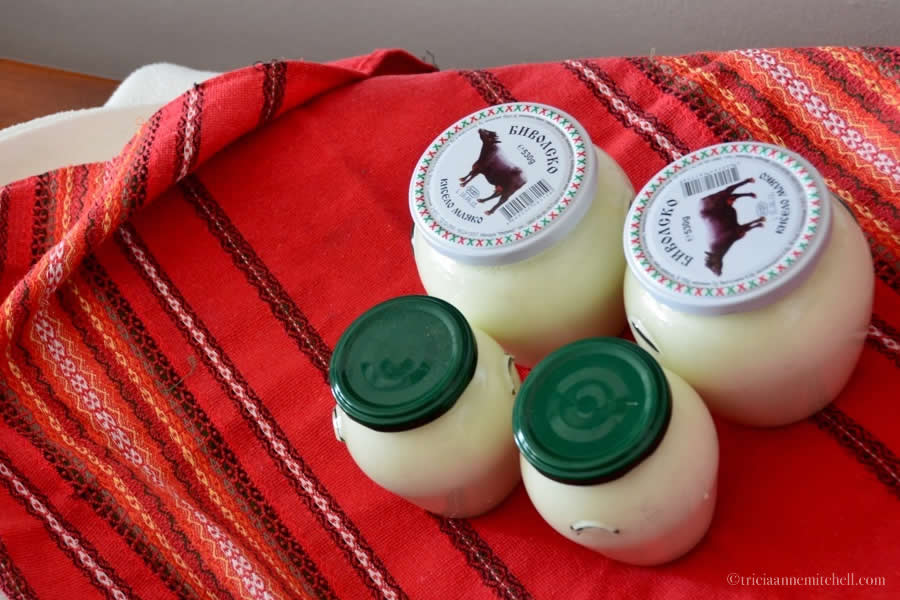
In Kalofer, a village nestled in the mountains of central Bulgaria, our wonderful hosts, Tony and Stefan, taught us how to make yogurt (Кисело мляко, or kiselo mlyako) using sheep’s milk. The couple’s infant son, Iliya, also lent enthusiasm, making for a fun afternoon.
As good as commercial Bulgarian yogurt is, it can’t compare to the homemade variety that we made with Tony and Stefan — theirs was rich, tangy, and just creamier than its commercial cousins. When I asked the couple what foods they like to pair their homemade yogurt with (be sure to see their recipe below), Tony and Stefan said that they prefer eating it by itself. When Shawn and I discovered how delicious it was, we could see why they don’t want any other distracting flavors.
Realistically, we know that we won’t be able to eat this homemade Bulgarian yogurt all of the time, but that made this experience all the more special.
When it comes to eating commercial Bulgarian yogurt, Shawn and I enjoy blending it with walnuts or honey. Sometimes we’ll even add a dollop of the homemade apricot or pear preserves we’ve been given by Kalofer’s kind locals.
Whatever you choose to pair your yogurt with, Добър апетит! (Dobãr apetit!)
Skip ahead for Tony and Stefan’s homemade Bulgarian yogurt recipe.


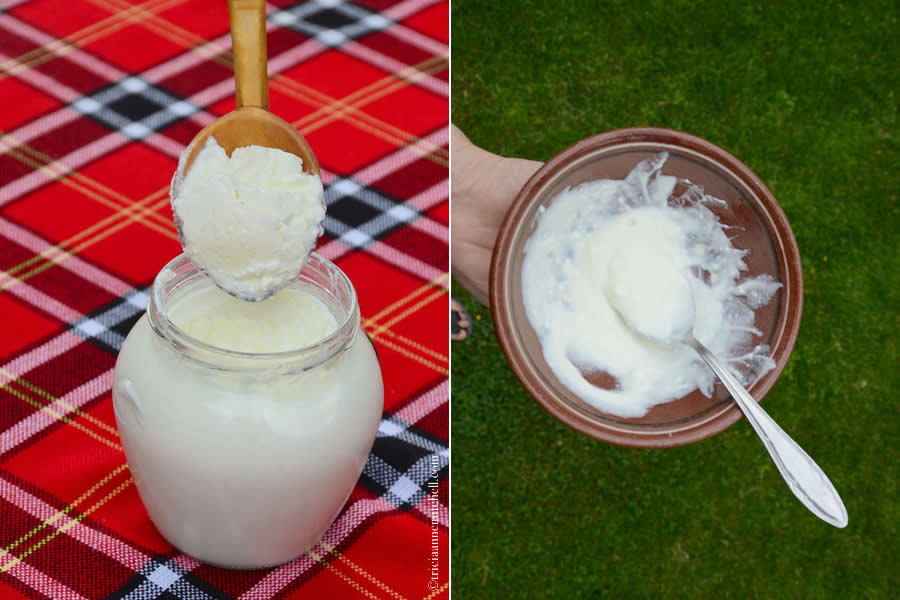


Homemade Bulgarian Yogurt Recipe
Ingredients & Equipment:
- 1.5 liters milk (our hosts used sheep milk).
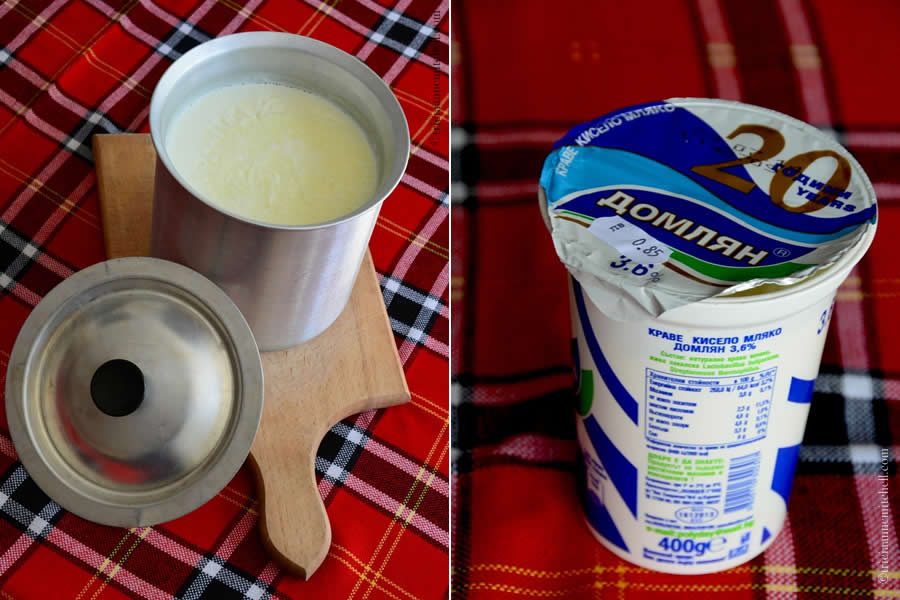
- Starter culture (our hosts used commercially-available yogurt containing Lactobacillus Bulgaricus & Streptococcs Thermoophilus).
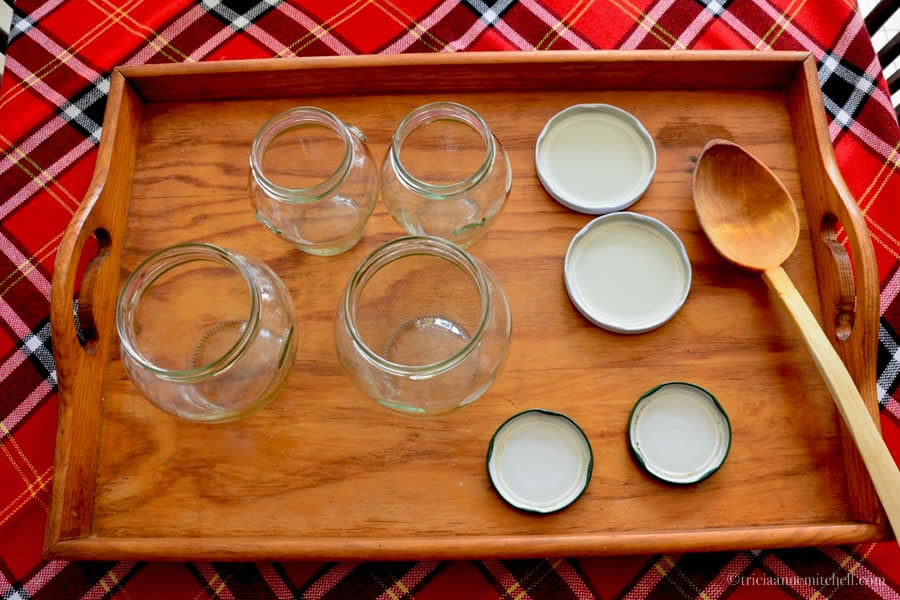
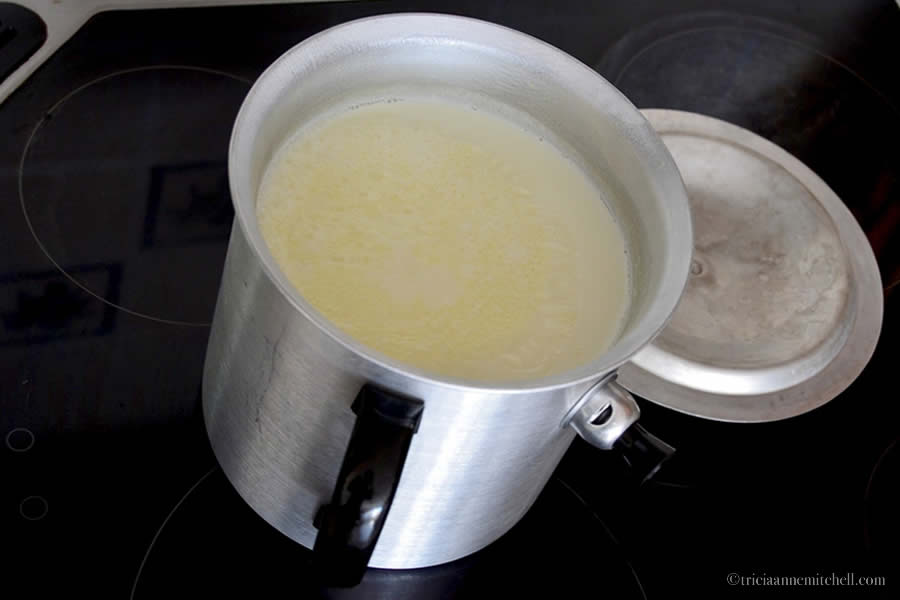
- Double boiler, ladle, glass jars with lids, & blankets in which to wrap the jars
Preparation:
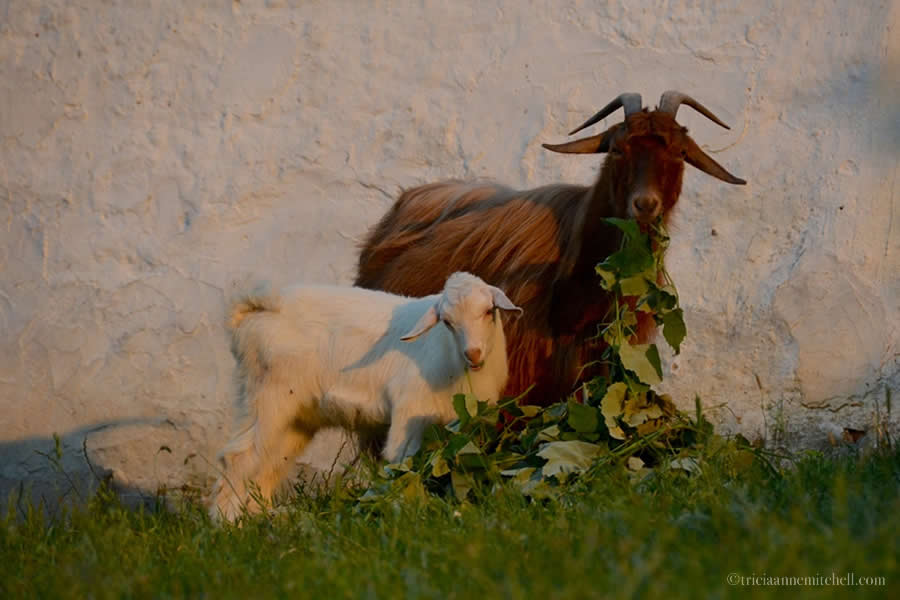
1. Purchase milk. Tony and Stefan bought sheep’s milk from a dairy farm in Kalofer. The traditional process is to BYOB = ‘bring your own bottle’. The cost for roughly 1.5 liters of sheep milk was 3 Bulgarian Lev ($2 USD or €1,50).
2. Boil the milk in a double boiler. Let milk cool until warm. An easy test, Tony explained, was to put a pinky finger into the milk. If your finger can rest inside for a few seconds without feeling as though it’ll burn, the milk has cooled enough.
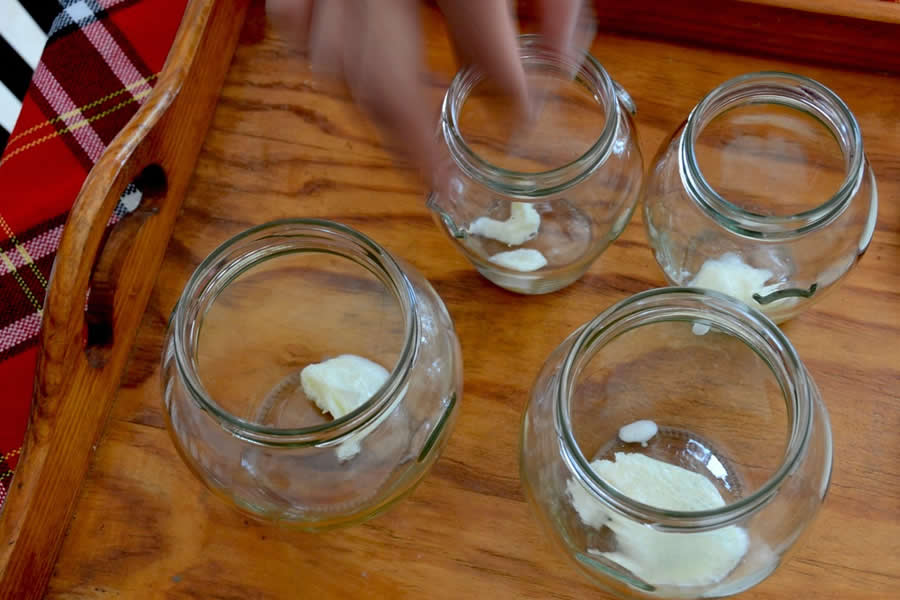
3. Remove the surface cream, which is similar to a light butter, from the pan, dividing it into roughly-equal amounts and placing one dollop into each jar.
4. Use ready-made Bulgarian yogurt as a starter culture. Combine about 2 Tablespoons of room-temperature yogurt into a bowl, along with about one cup of the sheep’s milk. Stir.
Tony pointed out that people who regularly make Bulgarian yogurt have their own starter culture in a jar, but she used a commercial container of yogurt. If you’re not in Bulgaria, an online search will show companies selling Bulgarian yogurt culture starters.
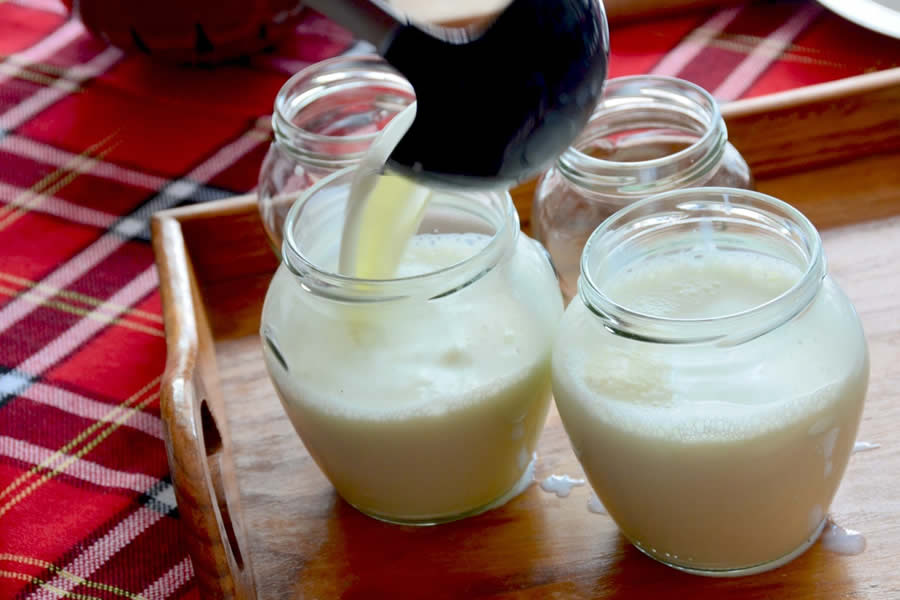
5. Evenly blend the sheep’s milk and starter/sheep milk combination. Then spoon the mixture into the jars. Cover them with lids.
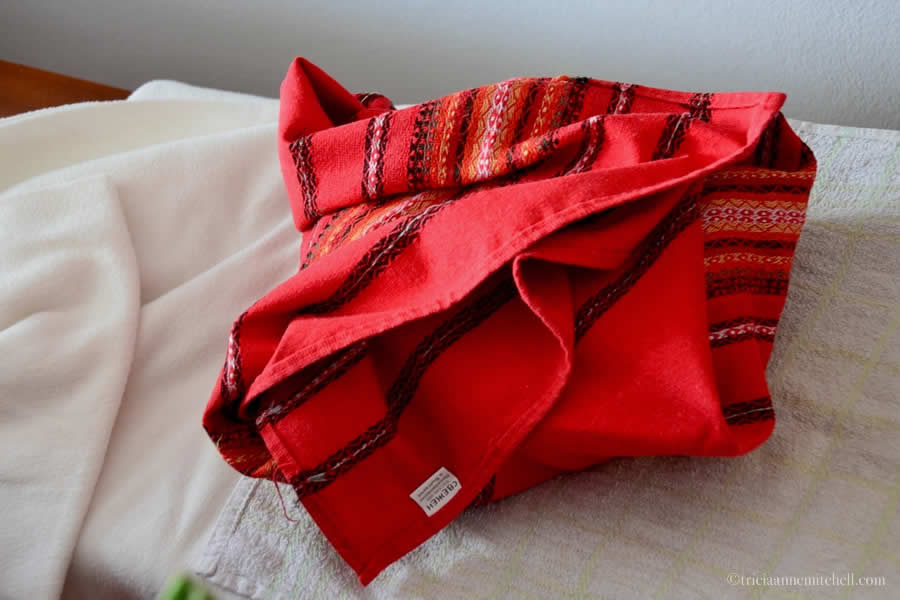
6. Wrap the jars in a blanket or two to keep them warm. Let the covered jars stand overnight – about 8 hours.
7. In the morning, it’s time to refrigerate — and later enjoy — the yogurt.
Where in the World?
Planning Pointers:
- Kalofer, a village of around 3,600 people, is located about 65 km. (38 miles) from Bulgaria’s second-largest city, Plovdiv.
- We loved staying at the Iliikova House (affiliate link) in Kalofer, because of Tony and Stefan’s warm hospitality, their home’s stunning forest views, and pretty courtyard garden.
- Need more inspiration? This link contains an index of all my posts from Bulgaria.
Photography & text © Tricia A. Mitchell. All Rights Reserved.


Join the conversation.