
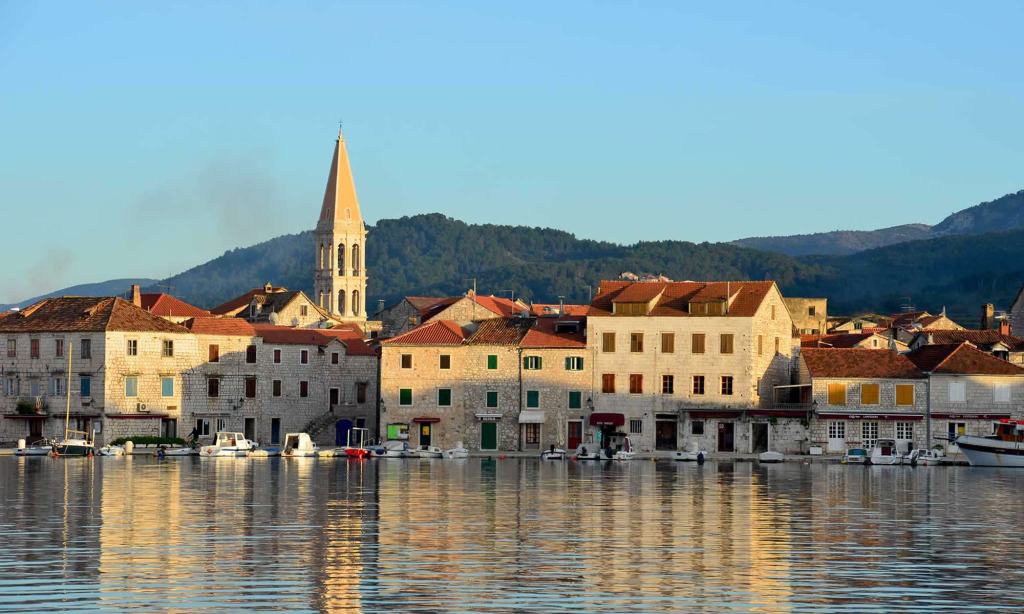
The Croatian island of Hvar is renowned for its 2,800 hours of sunshine, deep-blue water, luxury yachts, and summertime nightlife. When we visited there during an early-spring weekend, however, Shawn and I encountered something quite different from the Hvar of postcards: refreshing rain showers, landscapes that appeared to be wearing a sepia filter because of clouds overhead, and quiet lanes via which to explore the paradisiacal island.
After we’d had a picnic at the Hvar Fortress and spent countless hours aimlessly strolling Hvar Town and Stari Grad’s streets, we had the great fortune to mingle with a talented winemaker and his lifelong chums, who together with our friend from mainland Split, painted an idyllic picture of life on the real Hvar.
The Island’s History
Commanding a strategic location in the Adriatic Sea, Hvar has been an important trading point for millennia.
In the late 4th century, Ancient Greeks established Faros, a colony where tranquil Stari Grad is located today. (Faros means ‘lighthouse’ in Greek.) The Illyrians, Venetian and Austrian Empires, Romans and Slavs also left their mark.
But Hvar did not solely become known for its geography. It also gained a reputation for producing wine, lavender, and rosemary. As the island grew more prosperous, so too did its number of elegant palaces and buildings intended for all residents’ use, including one of Europe’s first public theaters.
Falling for Stari Grad’s Charms
On the northern side of the island is Stari Grad (which translates to ‘Old Town’ in Croatian), a place that I can only describe as magical.
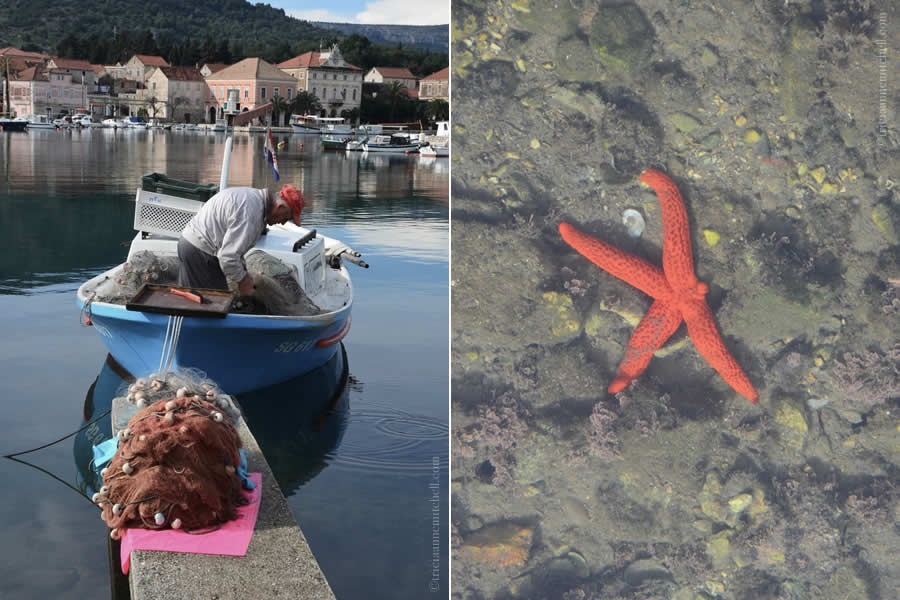
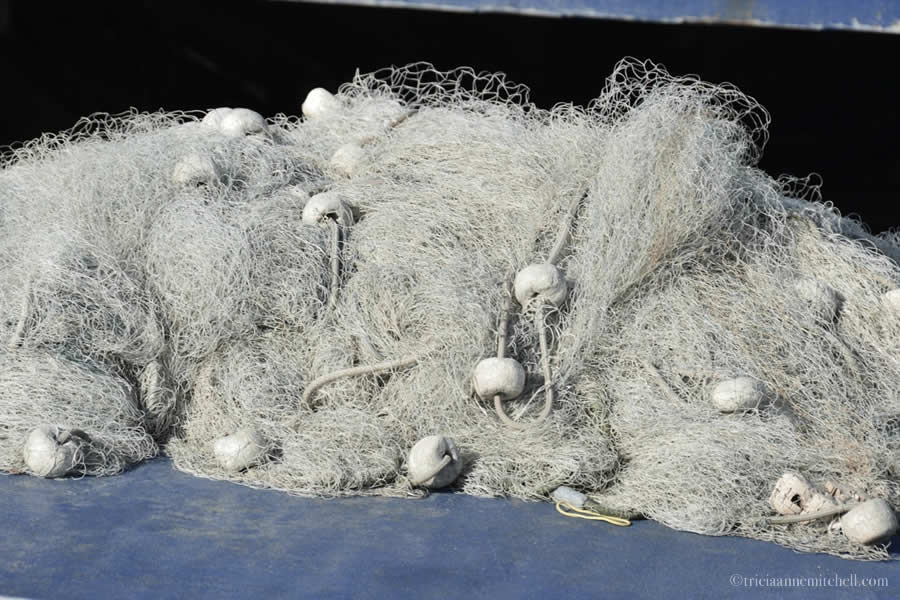
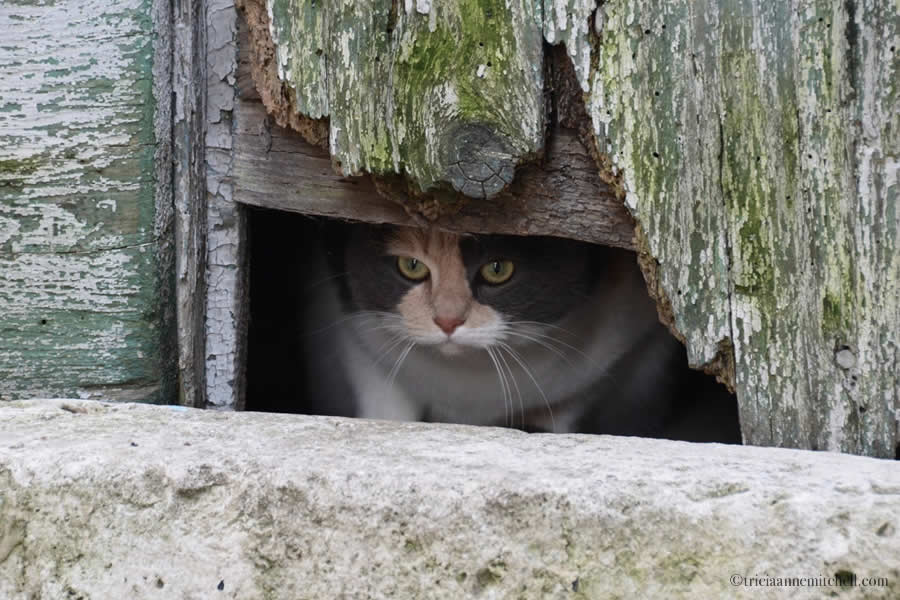
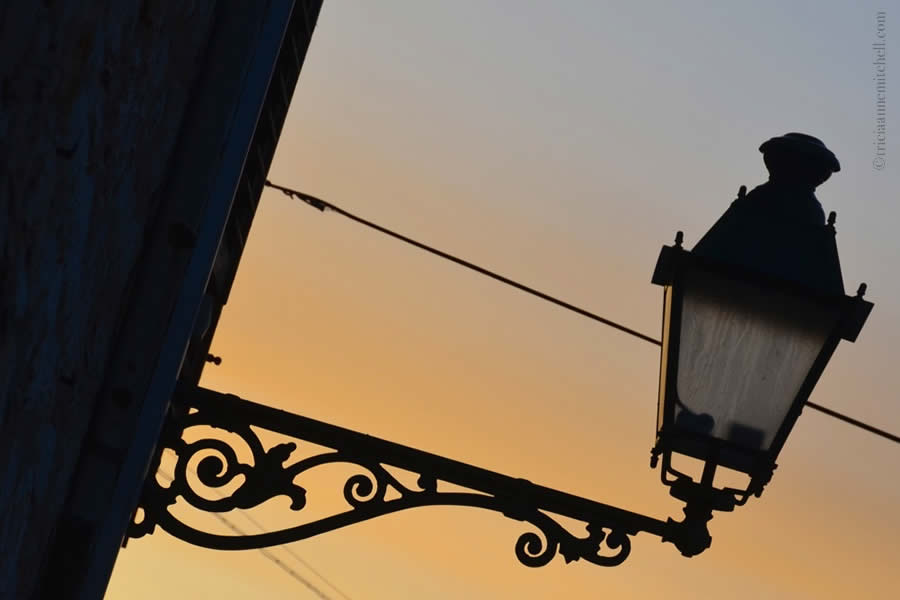
Depending on the time of day, we spied fishermen untangling their nets, schools of fish darting in the calm harbor, and the odd, fire-orange starfish lounging below the surface of the calm water. Cats lounged on stone walls, peeked out of weathered doors, and wound through the flourishes of iron balconies as if doing the slalom.
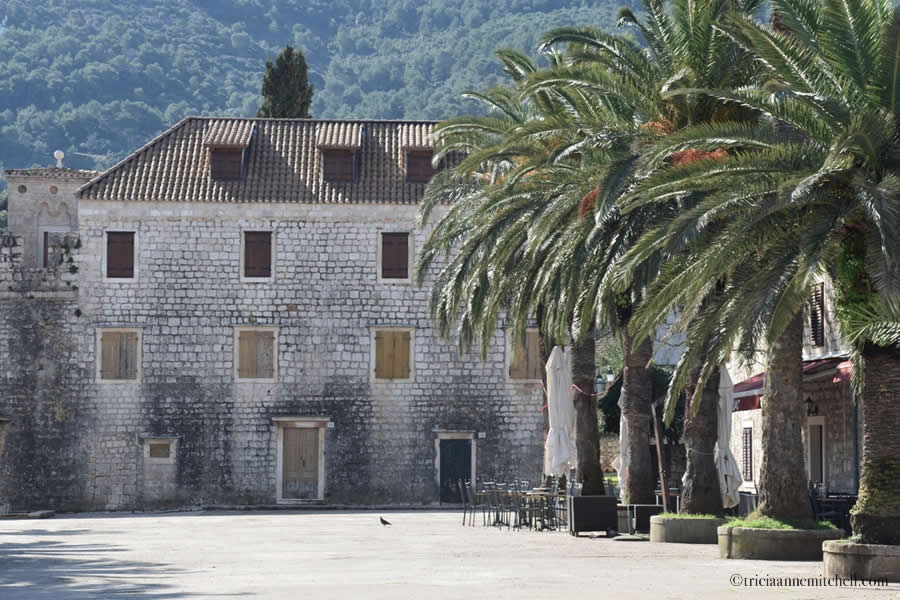
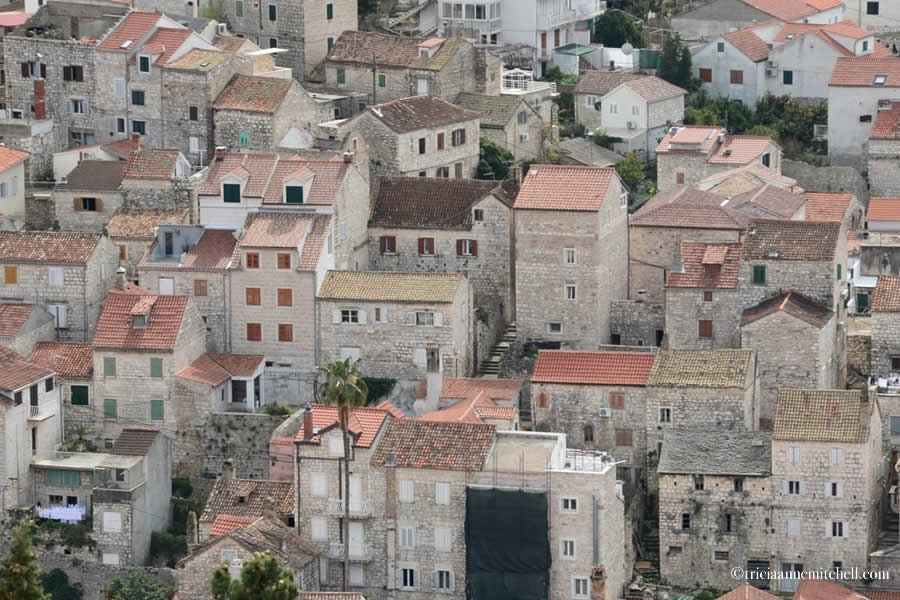
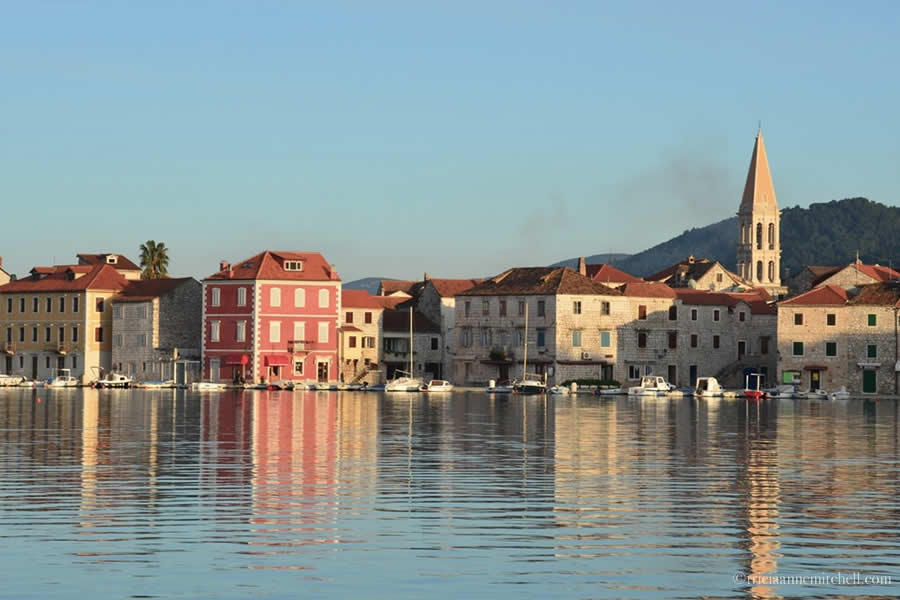
It was blissfully quiet. Locals harvested lemons and clementines from their backyard gardens, and we foraged for wild asparagus in a park, bringing to mind a special afternoon spent with Croatian friends one year earlier. Framing it all was a skyline of limestone buildings, some painted in grapefruit hues, others a delicate lemon chiffon.
We tried to imagine what the village’s bay looked like nearly 2,400 years earlier when it was was settled by the Greeks, concluding that it probably hadn’t changed much over the millennia.
A Lazy Day in Hvar Town
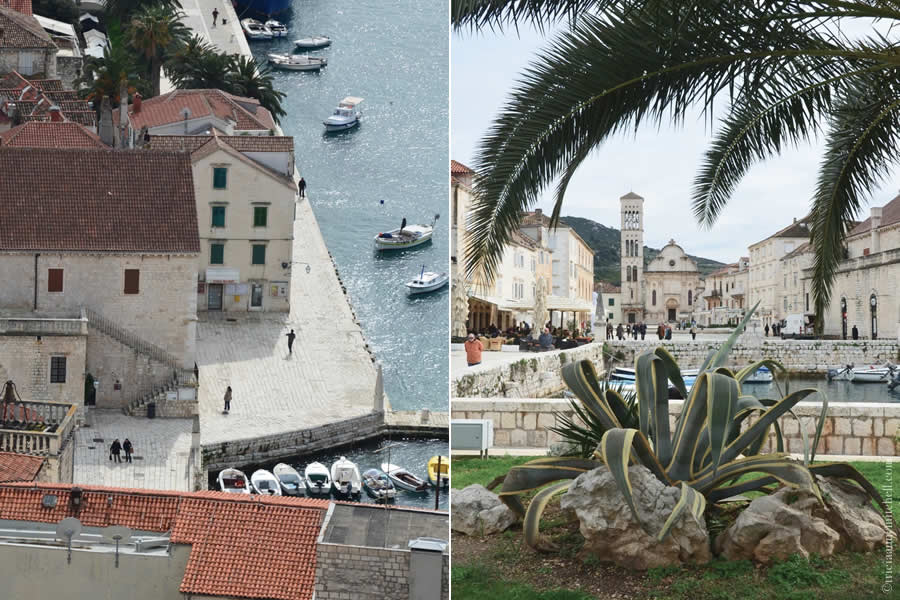
As we sat along the turquoise water’s edge in elegant Hvar Town, our socked feet dangling over the crystalline Adriatic, we watched as small black fish flitted by below us, tempting us to take a dip ourselves. A group of schoolboys chased each other on the palm tree-lined promenade, as fishermen readied their boats for an early-evening catch.
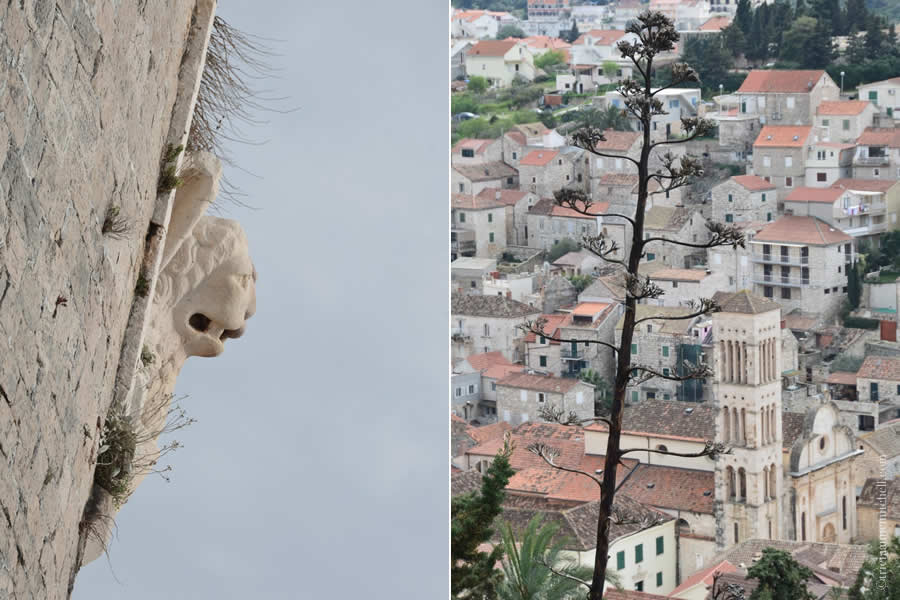
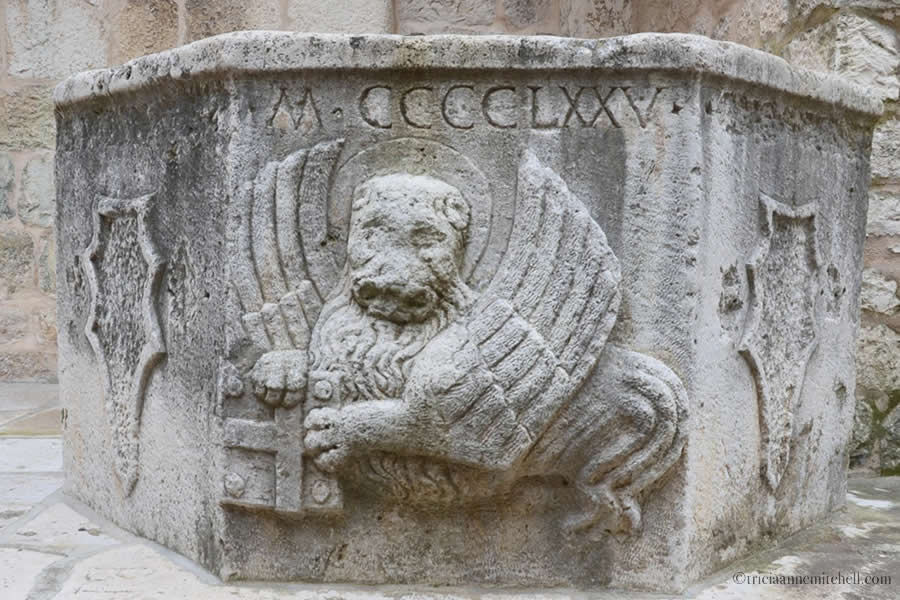
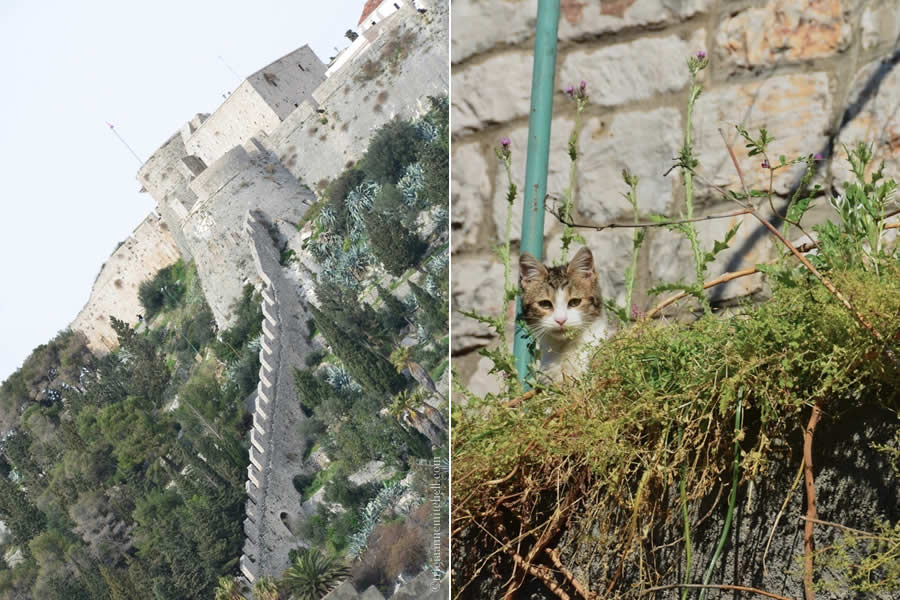
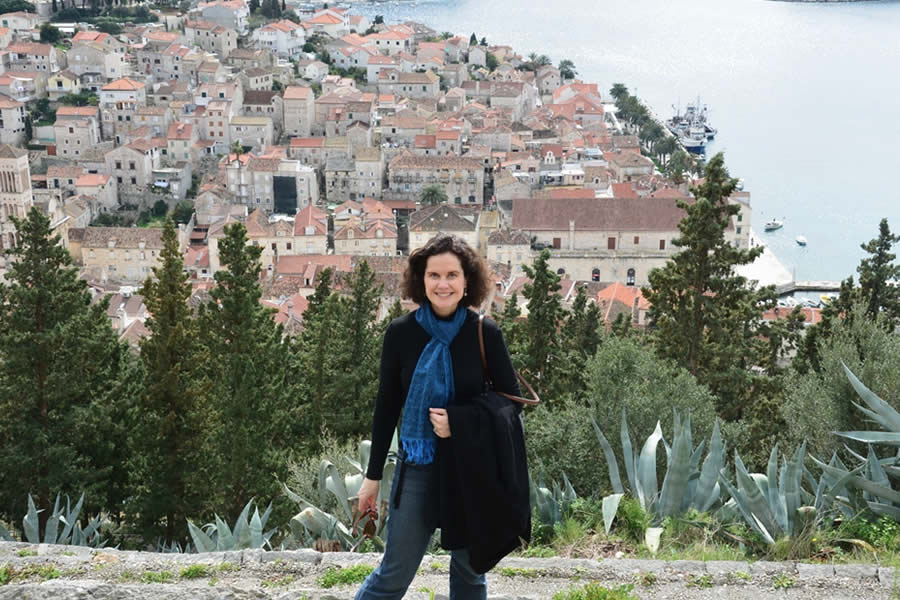
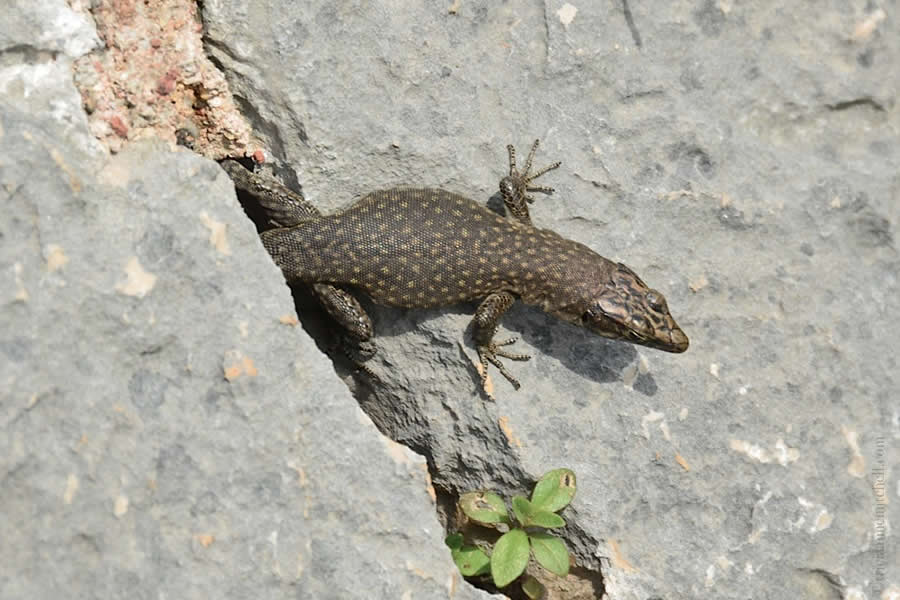
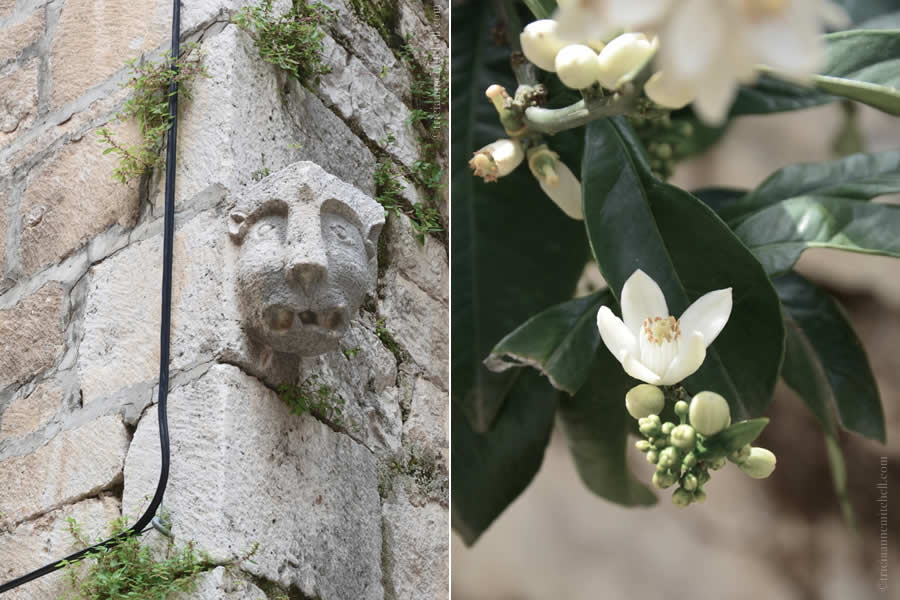
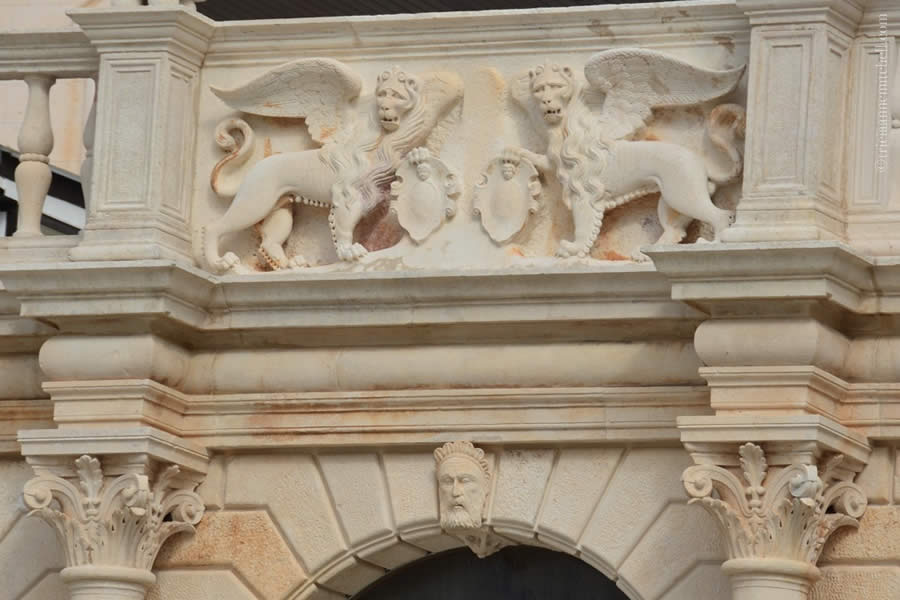
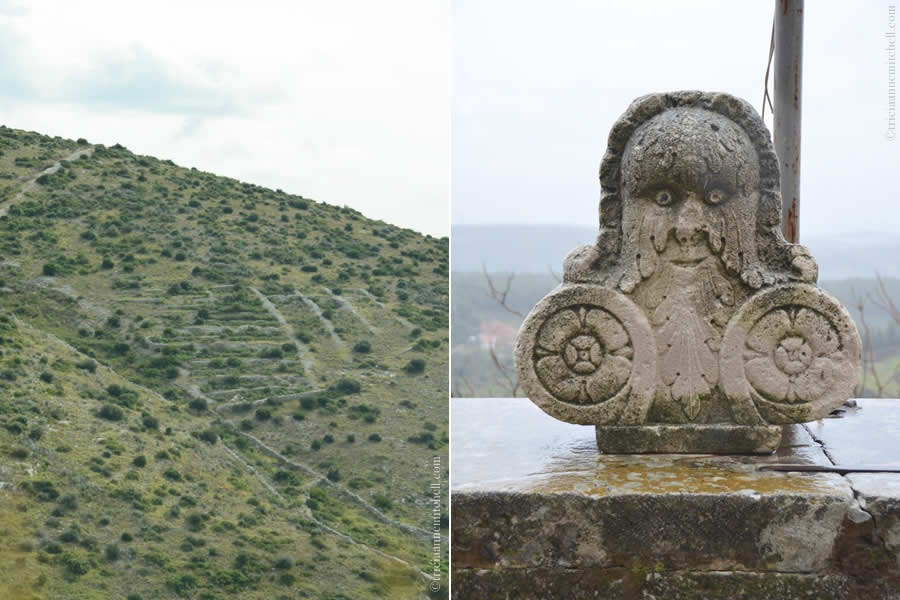
We wandered along alleyways that were eerily quiet for such a picturesque place, continuing up towards the Spanish Fortress (Tvrđava Španjola), along a hilly path bordered by agave and cactus plants. Discovering that the fortress was closed, we sat under a crest of the Winged Lion of St. Mark, reminding us of Hvar’s former ties with the Venetian Empire. From our quiet perch, we saw the Cathedral of St. Stephen and Pjaca (town square) in miniature, as several small boats defied grey skies, setting out for the open sea. A chameleon played hide and seek from his home in the crack of the fortress, and the town’s centuries-old walls cut through the hilly landscape below, their battlements resembling a set of uniform teeth.
Wining, Dining, & Singing with the Locals
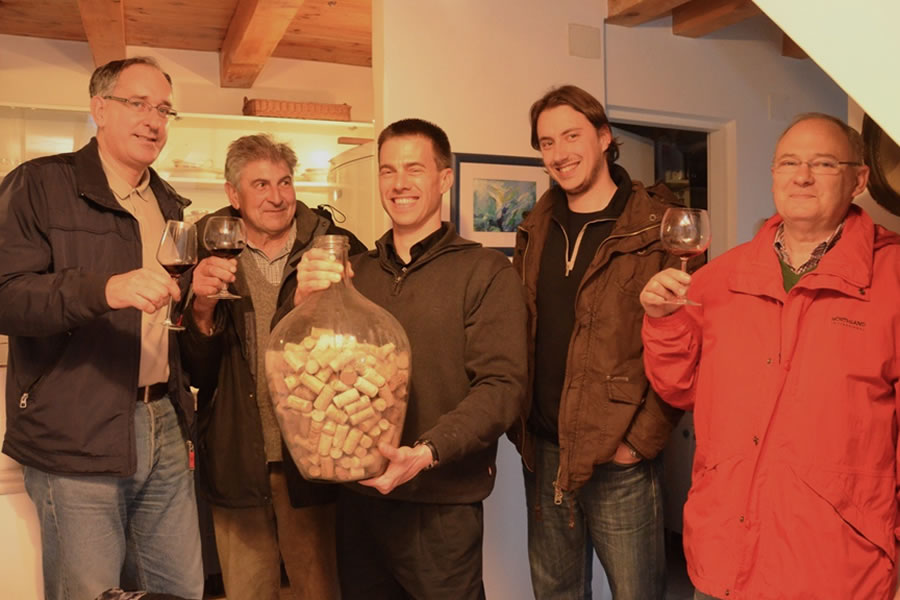
When rains were at their strongest, we sought refuge in the wineries and homes of Hvar natives Tonči, Dinko, and Lenko. Through our friend, Srdjan, a wine tour entrepreneur friend from Split, we met Hvar winemaker and engineer Tonči Marijan. He drove us through the UNESCO World Heritage-listed Stari Grad Plain, as raindrops pummeled onto his car’s windshield.
Through the water droplets, we could vaguely make out the ancient stone walls of the Stari Grad Plain. Established nearly 2,400 years ago by the Greeks, it is a fantastic example of historical land division. Grapes and olives are still grown there, just as they have been for millennia, but some plots have long ago been abandoned.
Tonči implements innovative winemaking techniques into his small lots of premium wine, which are numbered, and bottled under the names Pitve Eko and Vron Bod. What was particularly enjoyable about spending the day with Tonči, aside from the exceptional wine that we tried with him, is that he’s only in the early stages of commercial wine production. His winery, which he purchased four years ago, is currently undergoing renovation. It’s housed in a former lavender oil factory in Pitve, the village in which Tonči was born. All of Tonči’s grapes are hand-picked, with some aged in Slavonian oak barrels.
“I make two premium wines each year,” Tonči said. “During the harvest, which is in October, I stay up until the early-morning hours, obsessively selecting the best grapes to go into my wine.”
“Friends with whom I’m distantly related also help pick grapes. They’re good tasters too,” he joked.
Starting with enticing white wines made from the Bogdanuša and Posip grapes, we graduated to a series of Plavac Mali wine. (Plavac Mali is a cross between Zinfandel and Dobričić grapes.) The flavors and complexity of the wines, from glass to glass, heightened into a crescendo of Tonči’s 2010 Plavac Mali. To make it, Tonči broke the grape branches and let them dry in the sun, creating an alcohol packed-wine (nearly 17%!) with subtle strawberry-jam notes. The copper-rimmed beauty was exemplary!
Shawn and I have started to hypothesize that sometimes engineers make the best wine, a theory that was born at the winery of an engineer in Santorini, Greece last spring. Tonči’s fantastic wine and self-described philosophy about winemaking only seemed to support our theory.
“It is a science to know which grapes to choose. You can see the handwriting of the winemaker in the grape and in the wine,” he said.
Tonči mentioned that he has a “experimental” winemaking approach, something that he attributes to having learned from winemakers in Italy, even Argentina.
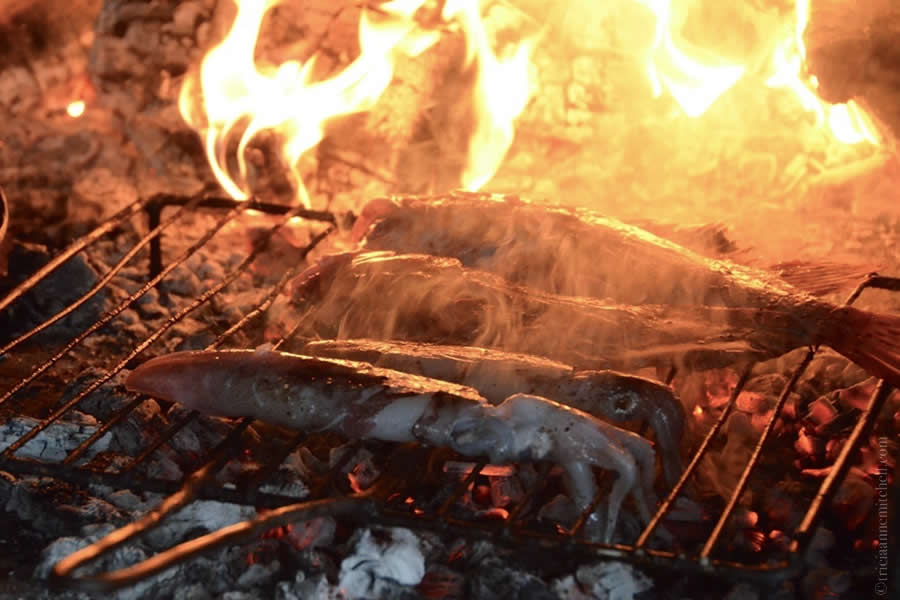
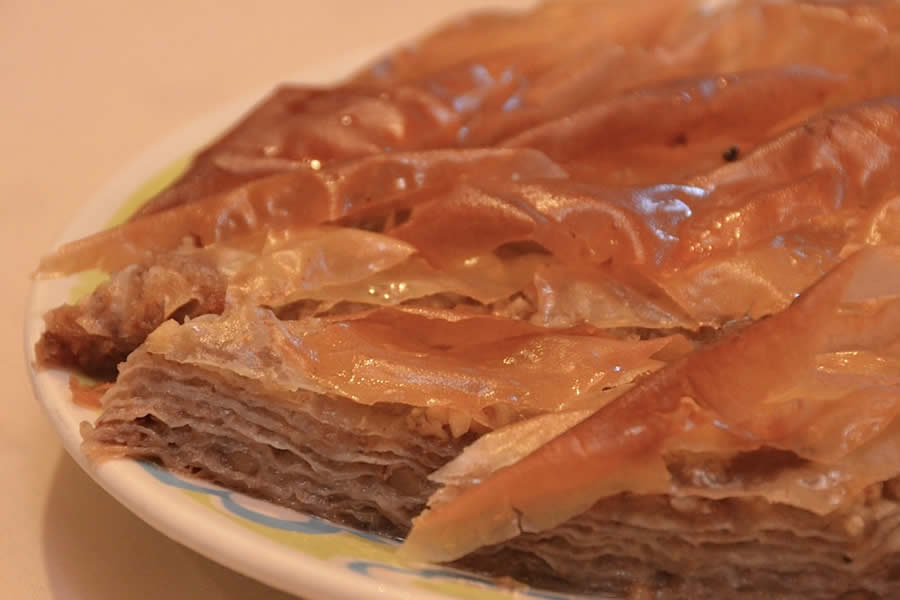
While Shawn, Srdjan, Tonči and I had been visiting Tonči’s winery, on the other side of the island his friends Dinko and Lenko had been whipping up a fantastic Mediterranean spread. The feast featured Škarpina (red scorpionfish) with lemon and rosemary, caught off the nearby island of Šćedro; a green salad drizzled with Hvar olive oil; and finally, a cuttlefish and squid risotto marinated in vinegar and olive oil. The meal was rounded off with baklava and an apple-creme sponge cake, with Tonči’s fantastic wine vying with the delicious spread for the spotlight. We savored a 2013 Marijan Bogdanuša, a 2012 Marijan Pošip and a 2010 Plavac Mali.
“Such times together are all about conversation,” Lenko said. “There’s no TV or time to go online. Business topics are not allowed. This time is sacred for conversation.”
When I asked the friends what makes life on Hvar special, the answer was simple.
“The roots make Hvar special,” Lenko said.
The men then tiptoed into a conversation about the importance of longtime friends, of traditional festivals, and of singing. Before long, Dinko was leading the table in song, with the three men crooning klapa tunes – a kind of a cappella music with themes about home and country, or beautiful women with names like Nicoletta leaving them.
“If you don’t know how to sing, you won’t get married on Hvar,” Dinko joked.
Before Shawn and I knew it, it was time to go back to bustling Split. As we left Lenko’s house, the song Nicoletta repeated in our minds. Our long weekend on the sleepy island of Hvar had already started to feel like a dream.















Where in the World?
Planning Pointers:
- Tonči’s winery is so new that he doesn’t yet have a website. You can find his special wines in select wine boutiques, or coordinate a visit through the Art of Wine, a company which our friend Srdjan owns.
- The Jadrolinija ferry from Split to Hvar (Stari Grad) took about two hours. We purchased our tickets directly from a Jadronlinja booth in Split one day in advance.
- While on Hvar, we stayed at the Apartments Lucija in Stari Grad. It’s run by down-to-earth Lucija and her family and located at Kneza Branimira br. 5, 21460 Stari Grad. Our simple, but very pleasant apartment overlooked Stari Grad’s placid bay. Kind Lucija even welcomed us with a small basket of clementines and lemons, which she’d picked from her backyard.
- A small chain grocery store, and some family-owned markets can be found in Stari Grad, and also in Hvar Town. If we’d had more time, we also would’ve loved to have purchased some of the fresh catch that local fishermen sold along Stari Grad’s harbor.
- Hvar’s local buses connect Stari Grad and Hvar Town. Here is the Hvar bus timetable.
- See the Hvar Tourist Board website for additional details.
- Need more inspiration? This link contains an index of all my posts from Croatia.
Photography & text © Tricia A. Mitchell. All Rights Reserved. My husband, Shawn, created the video.





Leave a reply to Katie Featherstone Cancel reply