

Six decades ago, my grandparents and their then-eight children piled into the family car and drove to San Luis Obispo from Minnesota. My grandfather was to begin a teaching position there. Though the family’s chapter in San Luis Obispo (SLO) ended up being a short one (frankly, I don’t know how they bid farewell to charming SLO and its wonderful weather) my relatives left with sunny memories of playing at the beach and in the hills, and a now-iconic photograph of my father sporting golden-brown curls, pushing a 1950s-era wire stroller.
With that personal connection as well as the knowledge that fine wine country exists not only in San Luis Obispo, but also nearby Paso Robles, Shawn and I made a point to stop in SLO as we made our way along California’s coastline from Monterey to Santa Barbara. We were also lured in by SLO’s designation as the ‘Happiest City in America’ and felt that vibe the moment we took to the walkable downtown, past quirky eateries and shops, and the city’s 18th century Spanish Mission church.
While we were in SLO, we were fortunate to make the acquaintance of Laura and Dave Jeffrey, the founders of 101 Wine Tours. Like many SLO residents, the couple is a transplant from another area. When one of their sons began a program at Cal Poly SLO, where he studied wine and viticulture, Laura and Dave fell in love with SLO and decided to relocate there. Or as Laura jokes, “We followed our son to university!”
Laura soon found herself immersed in the community through volunteer work. She even began making wine herself, using grapes from friends’ vineyards, and she’s since won awards for her Merlot, Syrah, and Pinot Noir. About one year ago, 101 Wine Tours was born.
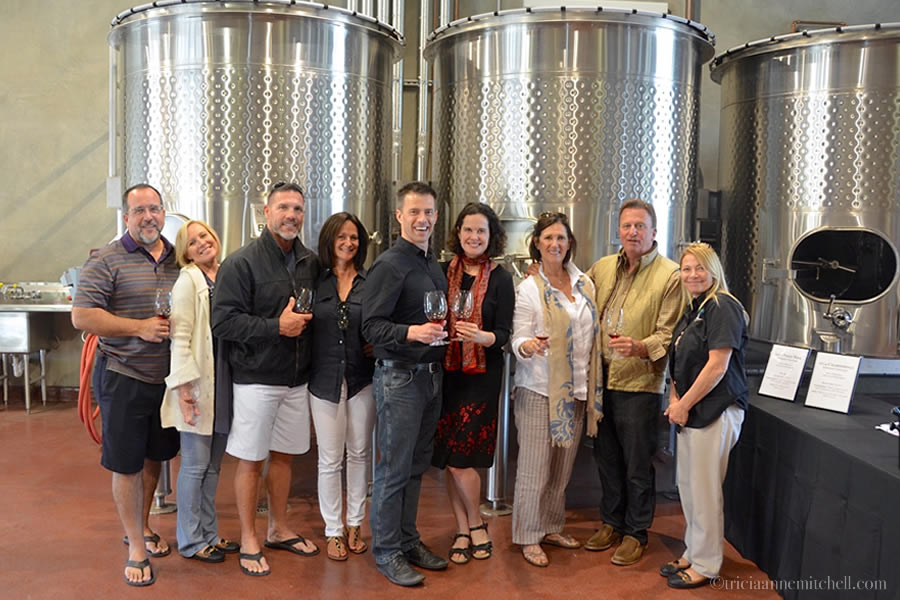
Following an evening spent together under the stars at SLO’s Jazz Festival, petite Laura, dwarfed by her massive Mercedes Sprinter, picked us up for a private wine-tasting excursion at four diverse Paso Robles wineries. We’d be joined by a small group from Orange County. One member of the party was a former star on the American Gladiator television show, and we’d learn that Laura’s son was previously a child actor who starred in a John Travolta film. Only in California! :)
A Paso Robles Primer
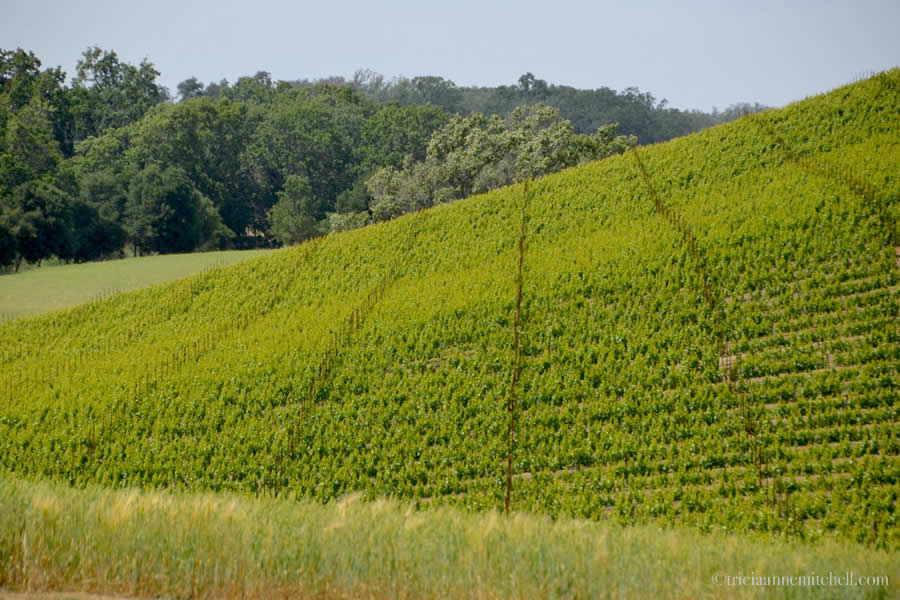
Paso Robles was dubbed Wine Enthusiast’s 2013 Wine Region of the Year, but the area’s viticultural history goes back for centuries. In the 1700s, when Paso Robles was still Mexican territory, Franciscan monks planted grapes to make altar wine. About a century later, Paso Robles’ commercial wine industry was burgeoning, and by the 1980s, boutique wineries started taking root. Today, Paso Robles is known for fostering an unconventional spirit. The region boasts more than 200 wineries and 11 viticultural areas, or appellations.
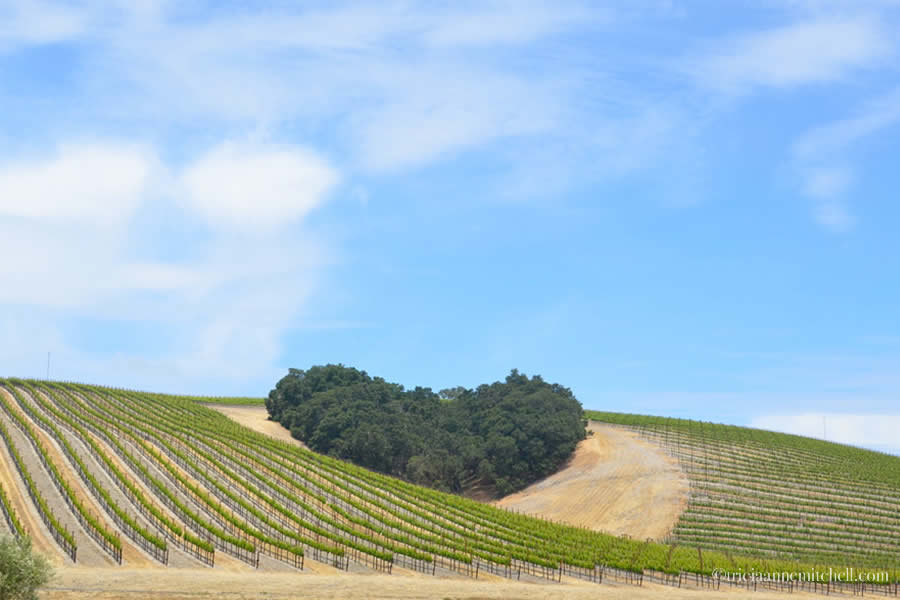
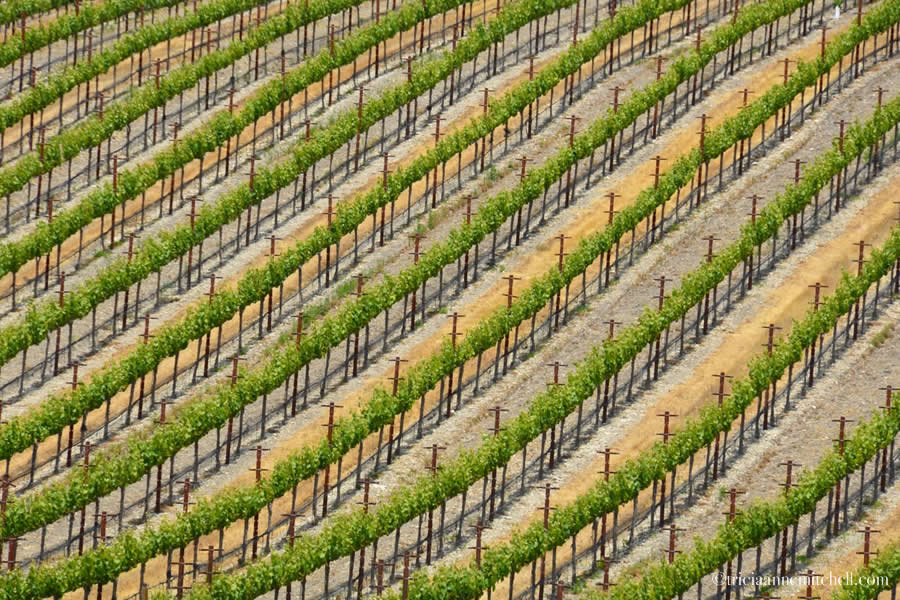
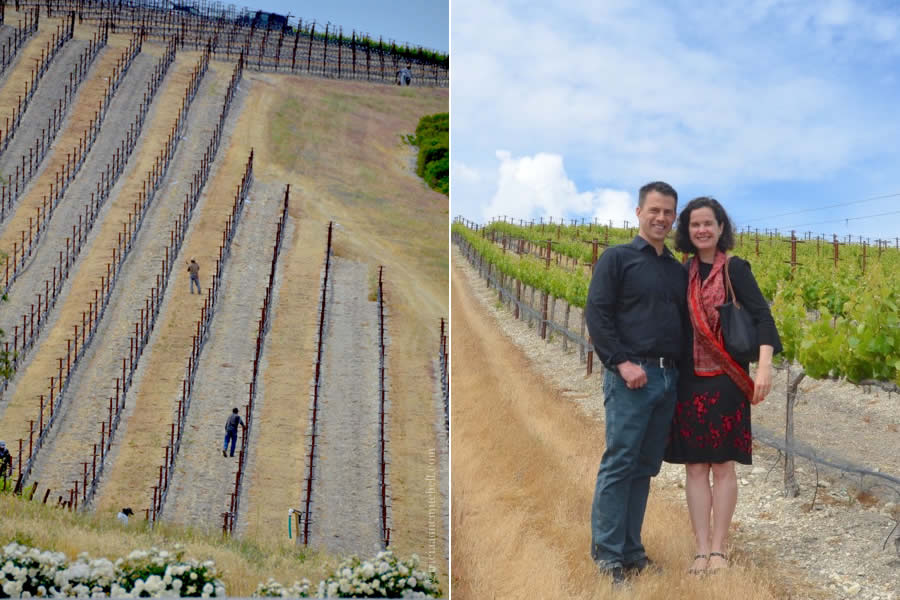
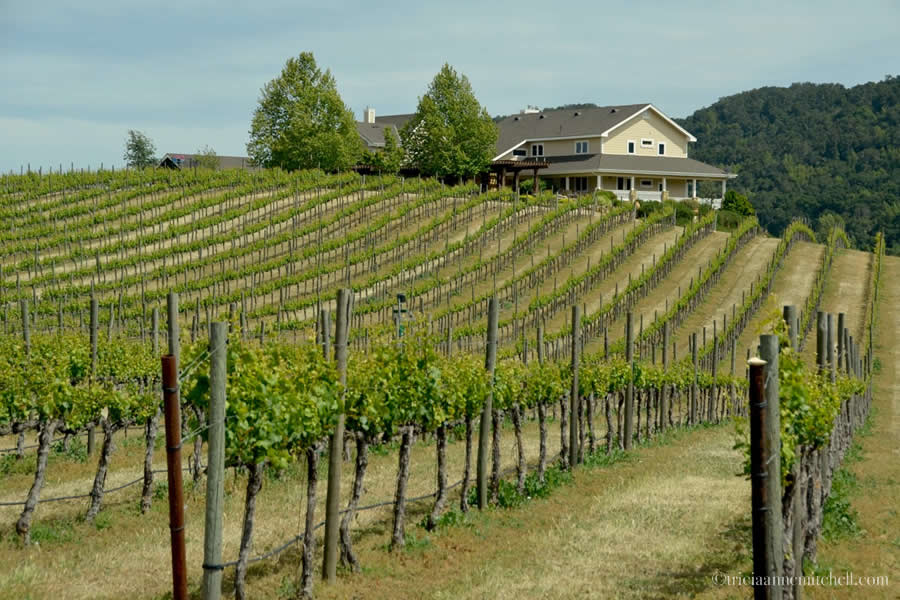
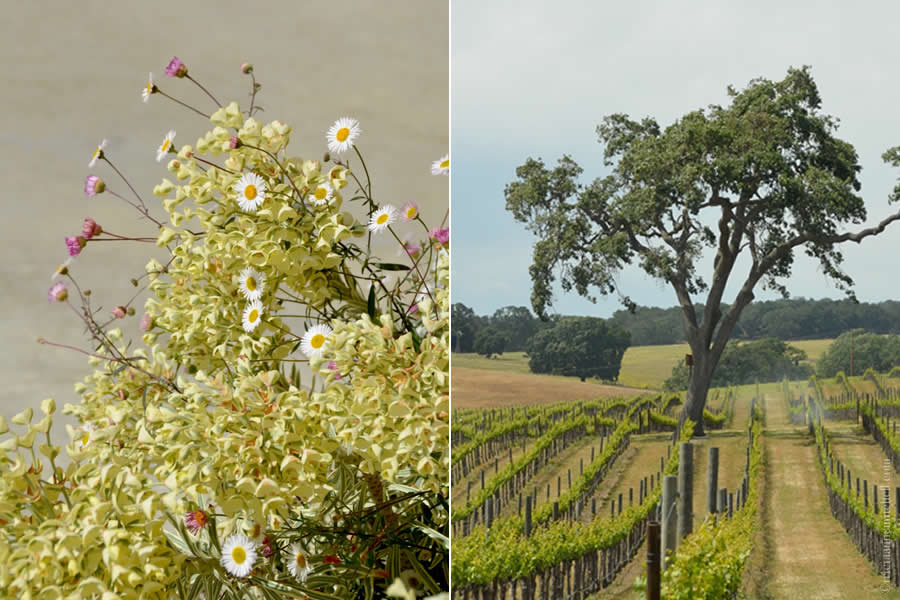
While Paso’s climate and soils allow winemakers to cultivate more than 40 varieties of grapes, French, Italian and Spanish varietals favor heavily on wine menus, as do California favorites like Zinfandel and Petite Sirah. Many varied microclimates exist in Paso Robles, thanks to the region’s proximity to the Pacific Ocean, and the presence of valleys, canyons, and different elevations. A vineyard’s proximity to the Pacific makes for varied soil-types and rainfall amounts. The climate is characterized by cool nights and warm to hot days.
Turley Wine Cellars
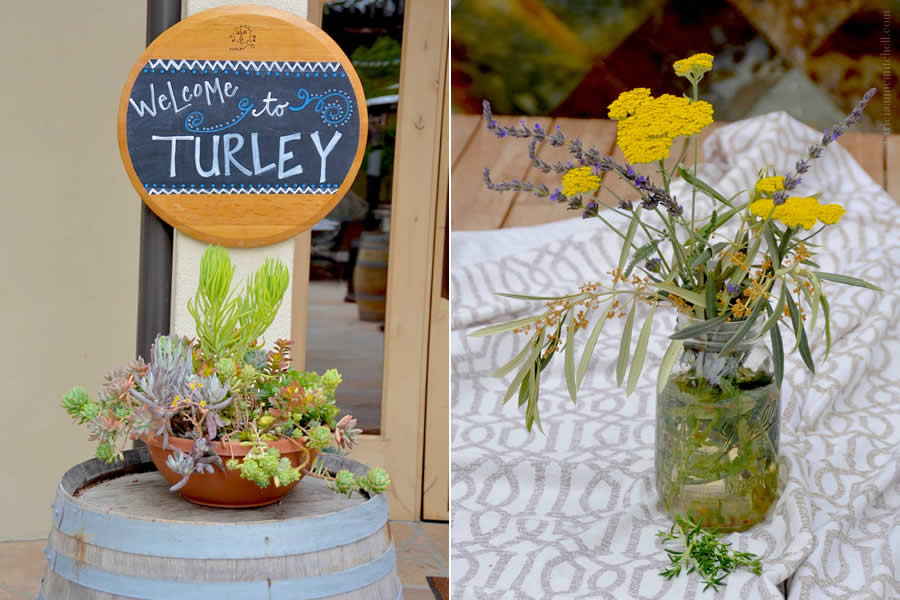
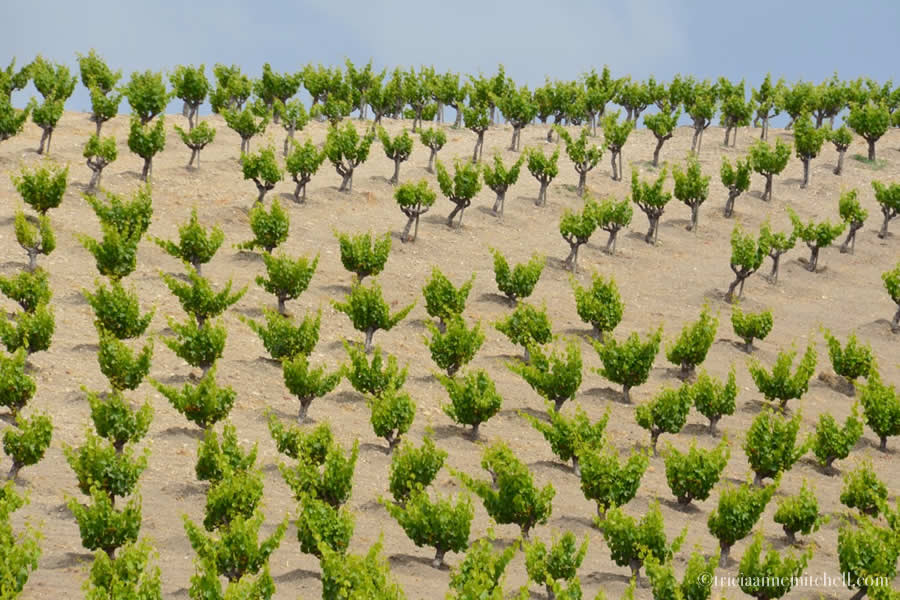
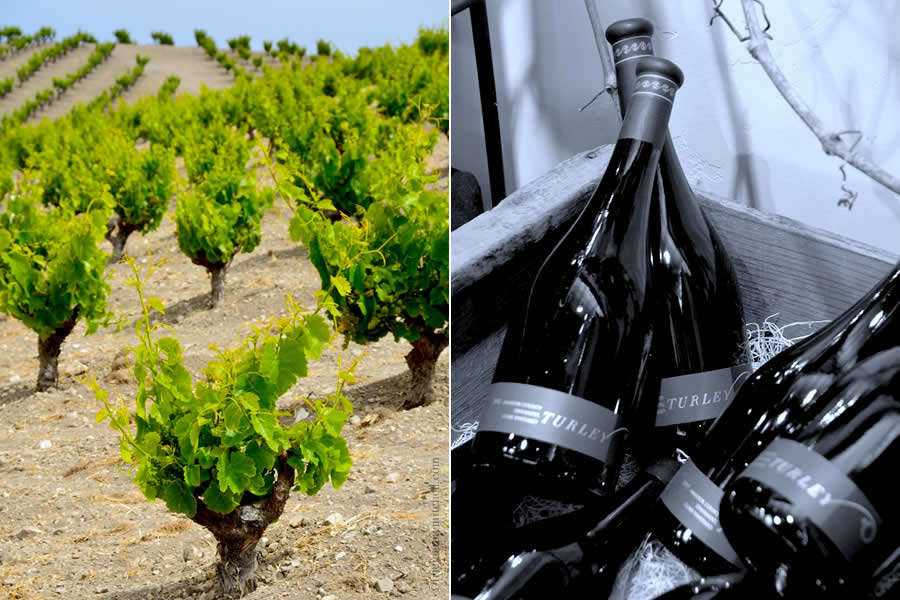
Our first stop was Turley Wine Cellars. Focusing on old-vine vineyards, all of Turley’s vineyards are certified organic, or in the process of becoming so designated. Turley’s grapes come from vineyards across California, including Paso Robles, Napa, Sonoma, and Lodi.
As Turley’s wine educator, Steve, said during our tasting, “We want to be the best stewards of the environment, and pass something on to the next generation that is alive.”
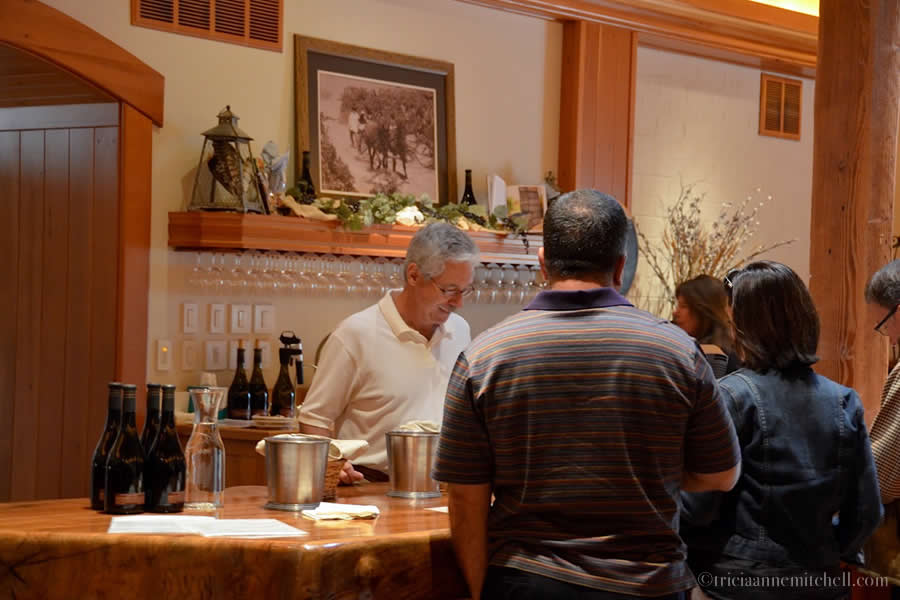
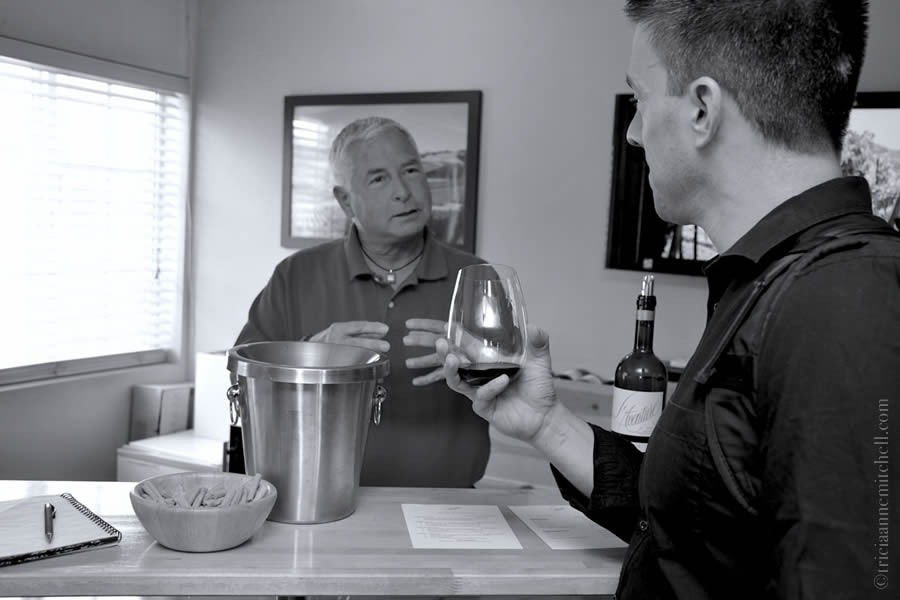
Steve, who is extremely knowledgeable about wine-making, but at the same time very approachable, walked us through wine-tasting principles, highlighting that most of what we think of sense of taste is really sense of smell. Incredibly, we can distinguish about 10,000 different aromas!
One of our fellow tasters expressed how he found it challenging to distinguish a wine’s complex aromatics. That’s where Steve chimed in, challenging us to develop our noses.
“The more you use your olfactory senses, the stronger they become.”
Steve also highlighted the importance of stressing vines, but “in a managed way. When grapes are stressed, the plant biologically protects its babies by putting its energy into the fruit, not the greens. This makes for more flavorful grapes.”
As Turley specializes in Zinfandel and Petite Sirah, it’s fitting that our tasting focused on the former, something that we found quite enjoyable since we’d spent about four months in the Zinfandel grape’s ancestral homeland of Croatia in 2013 and 2014.
Turley Tasting:
- 2012 ‘Old Vines’ California Zinfandel.
- 2013 ‘Mead Ranch’ Zinfandel, Atlas Peak. (Our favorite! Lovely pepper notes and purple hue.)
- 2012 ‘Pesenti Vineyard’ Paso Robles Zinfandel
- 2012 ‘Ueberroth Vineyard’ Paso Robles Zinfandel
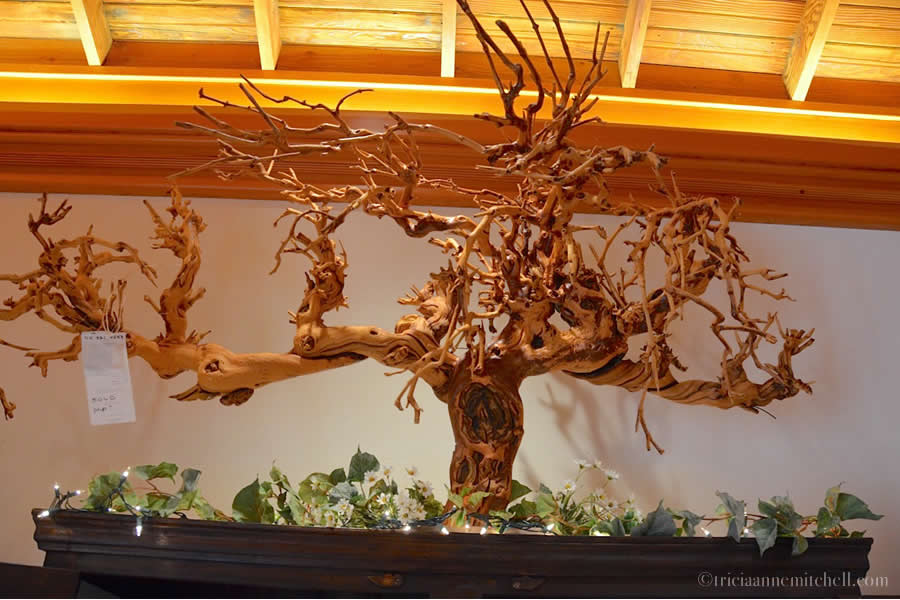
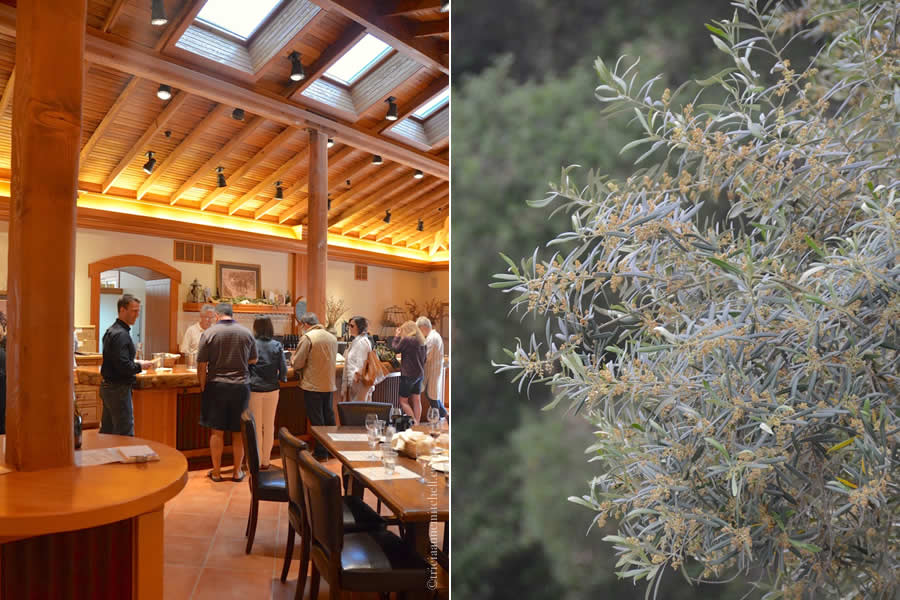
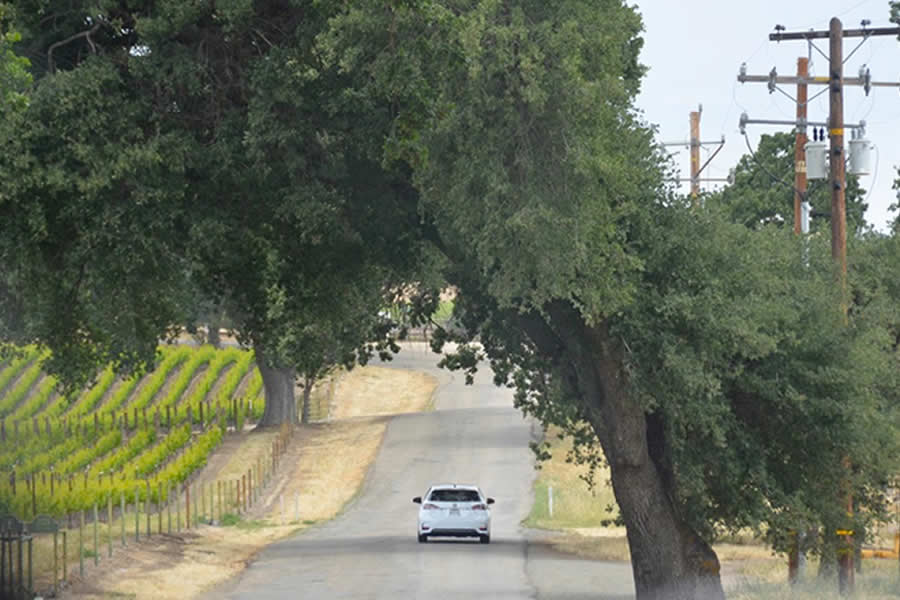
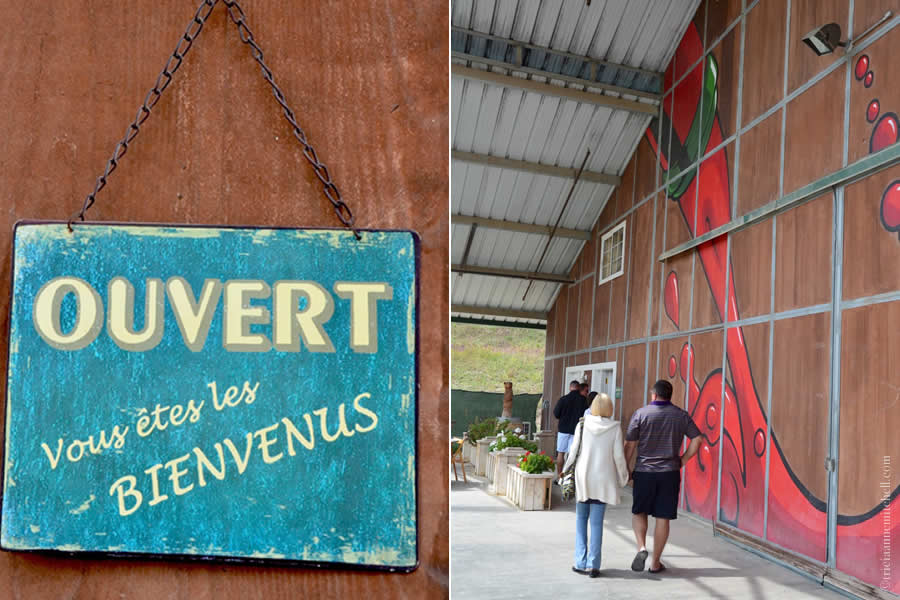
L’Aventure Winery
L’Aventure’s winemaker, Stefan Asseo exemplifies the Paso Robles spirit of nurturing innovative winemakers. Educated in Burgundy, France, L’Aventure’s proprietor found himself constrained by France’s strict winemaking rules, and the inability to make certain blends. After a worldwide search for the perfect place to plant roots, he and his family decided upon Paso Robles.
Martin, the tasting room associate, noted that L’Aventure’s dense-farming method creates competition, in turn adding complex traits and tannins to the wine.
“Because of this method, a vine and a half of grapes produces about one bottle of wine at L’Aventure, while at most places they can produce five bottles.”
L’Aventure Tasting:
- Estate Rosé 2014
- Optimus 2013
- Côte à Côte 2013
- Estate Cuvée 2013
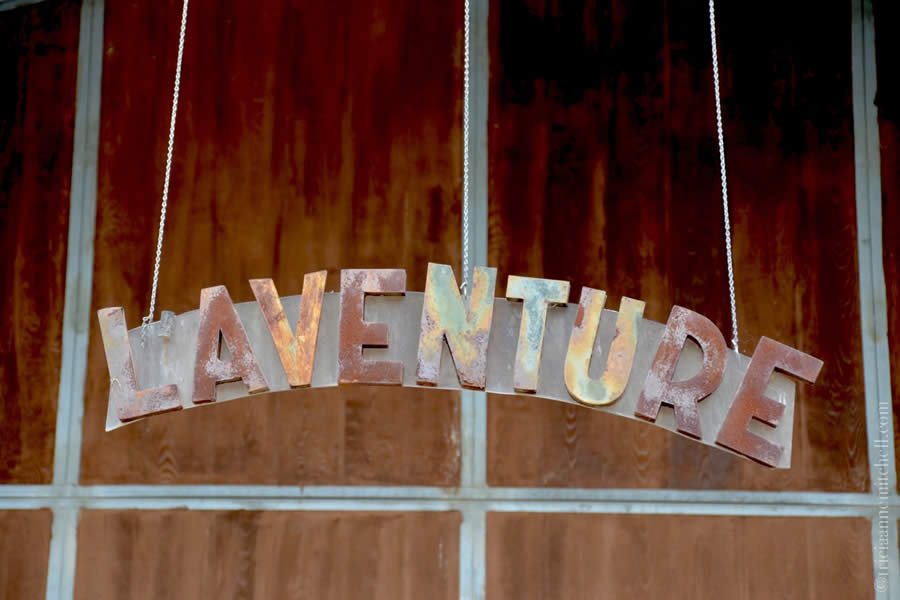
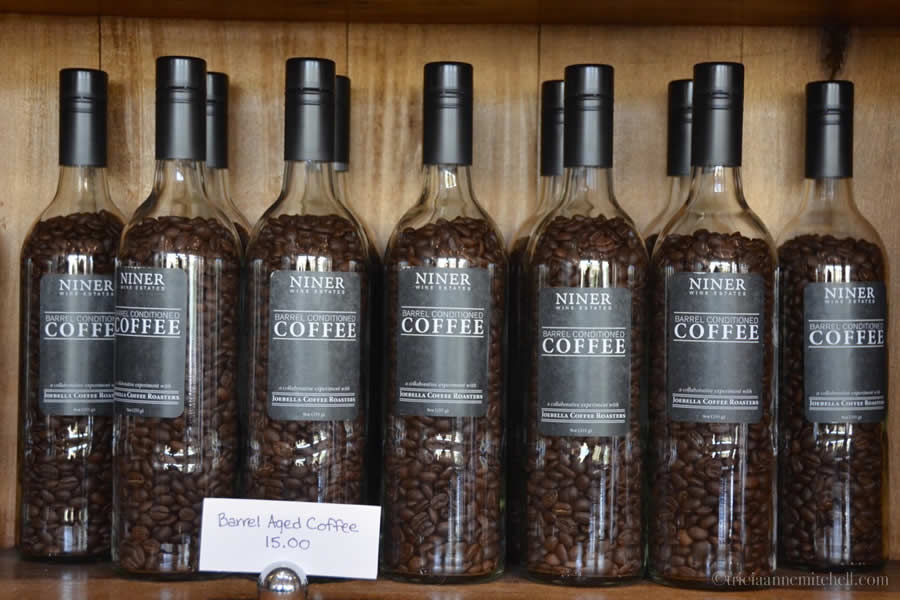
Niner Wine Estates
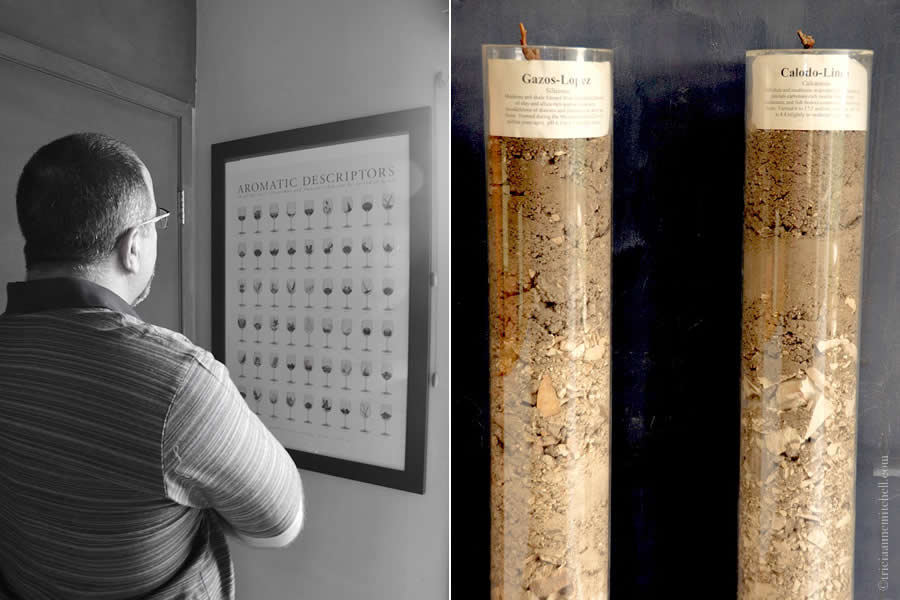
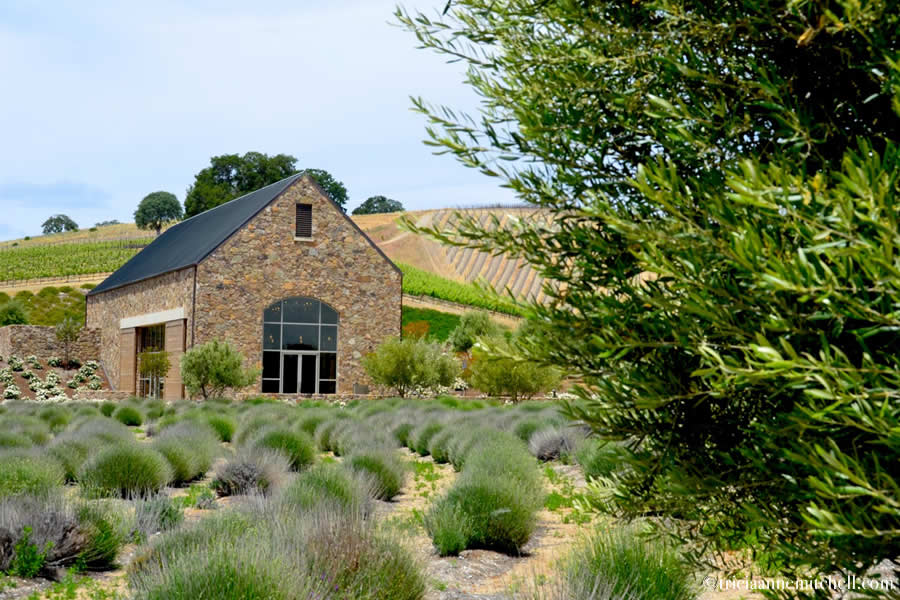
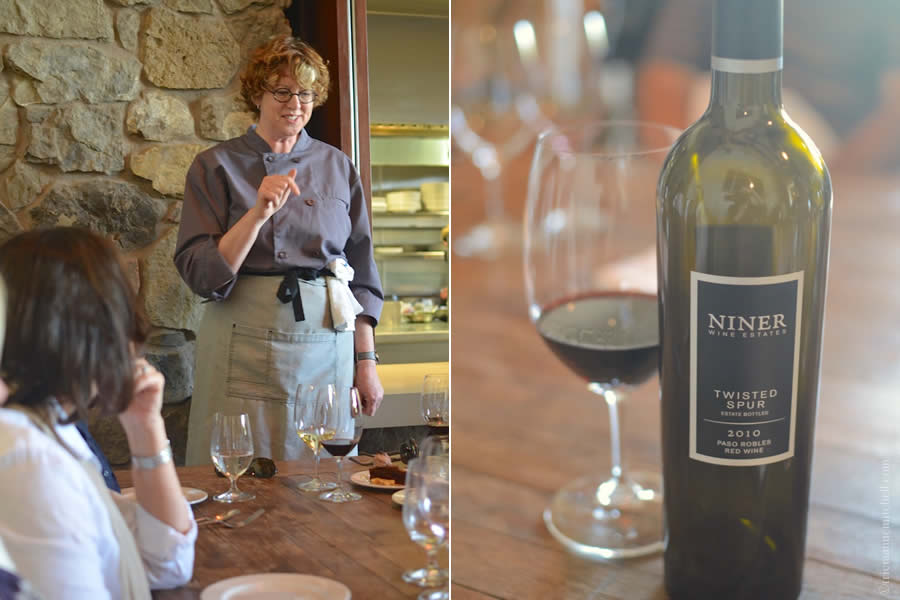
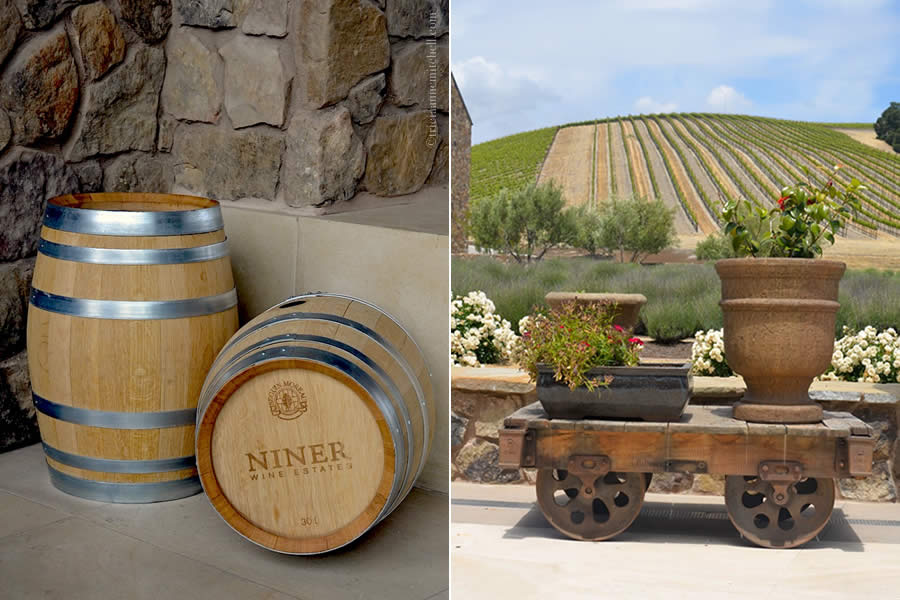
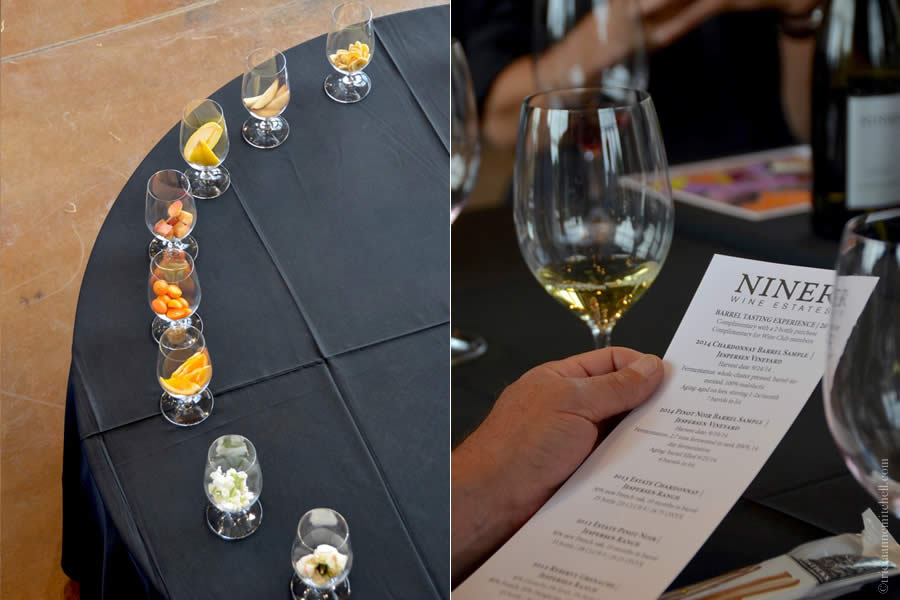
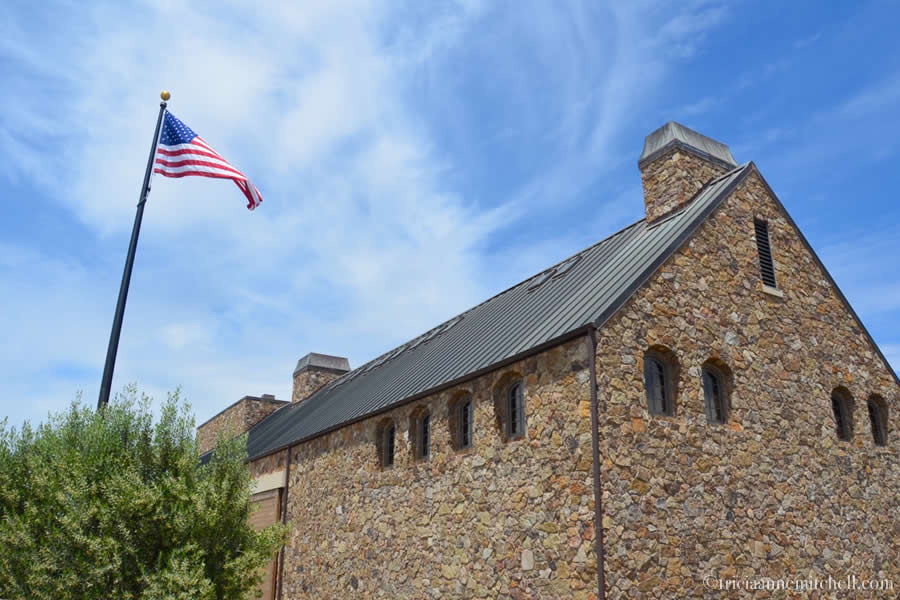
Driving onto the Niner Wine Estate grounds, I felt for a second that I had been transported back to Europe. Though the estate’s buildings are new, the stone façades, coupled with white roses and lavender about to bloom, gave the grounds a lovely feel. I also found myself taken by the beautiful displays illustrating various wines’ complex aromatics, with everything from red licorice, to marshmallows, citrus fruit and flowers populating a series of wine glasses.
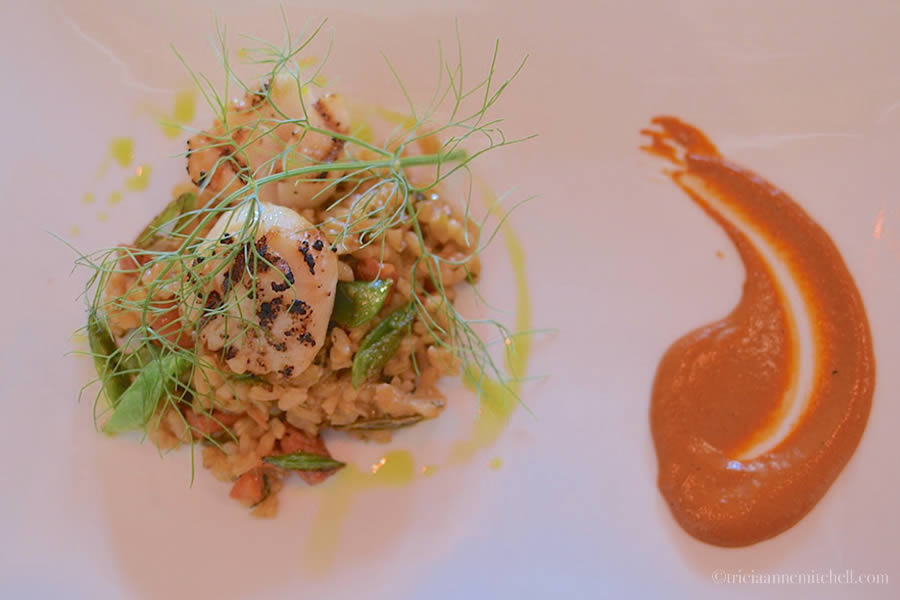
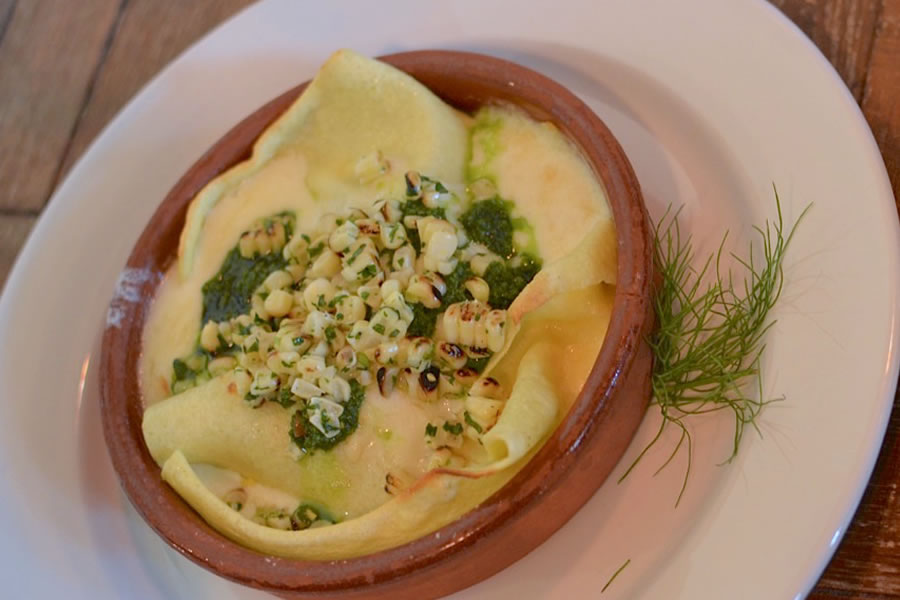
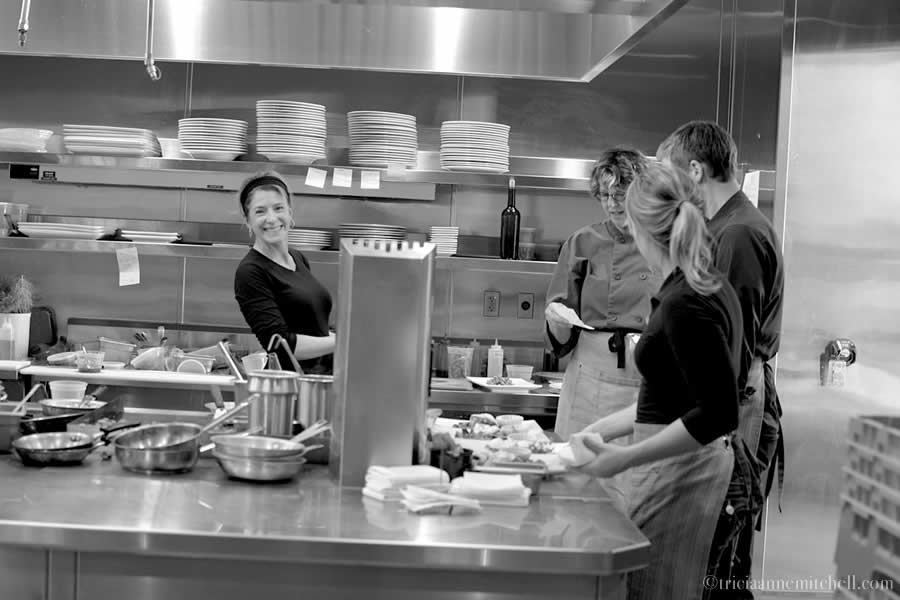
First, we enjoyed lunch, with me savoring a light dish of Scallops with Paella, Peas and Romesco. Shawn feasted upon Spring Lasagna with Ricotta and Poblano Peppers. I’m still dreaming of the Spanish-inspired Romesco sauce that was fashioned into an enticing swirl on my plate! The lunches were nicely paired with bottles of 2013 Sauvignon Blanc and 2010 Twisted Spur.
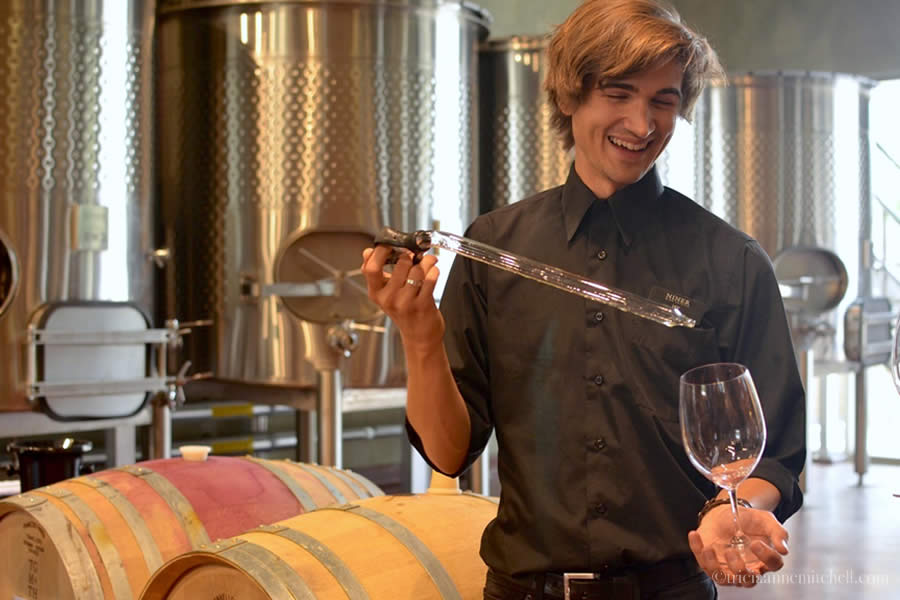
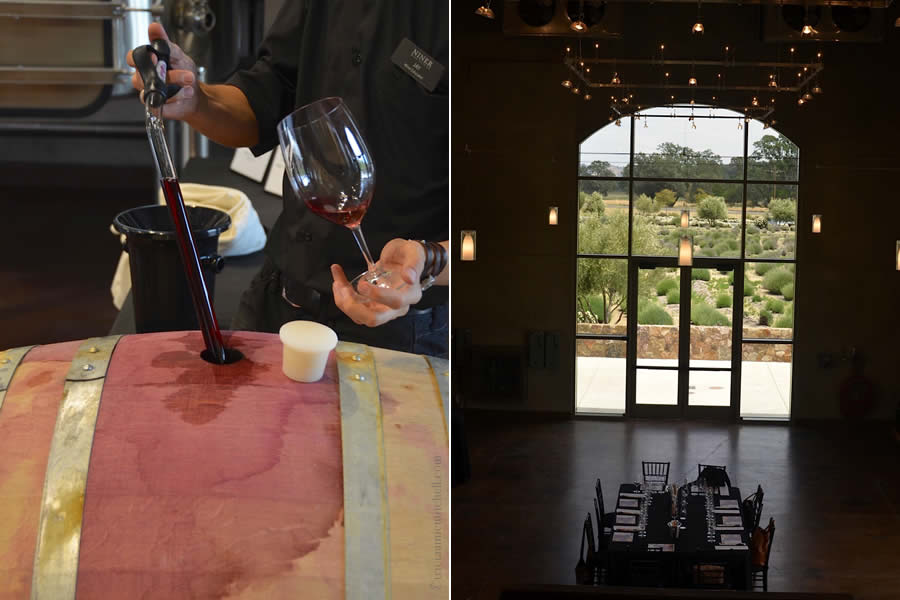
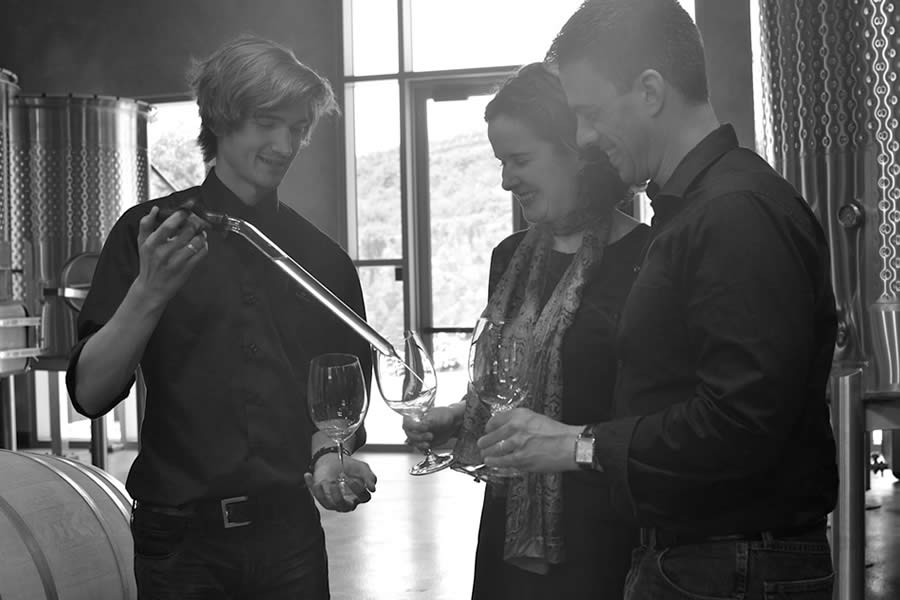
Led by enthusiastic Jay, one of Niner’s wine educators, we meandered to the barrel-tasting room where we sampled a white and red wine straight from the barrel, followed by a more complete tasting flight.
Niner Tasting:
- 2014 Chardonnay Barrel Sample, Jespersen Vineyard
- 2014 Pinot Noir Barrel Sample, Jespersen Vineyard
- 2013 Estate Chardonnay, Jespersen Ranch
- 2012 Estate Pinot Noir, Jespersen Ranch
- 2012 Reserve Grenache, Jespersen Ranch
- 2012 Reserve Syrah, Jespersen Ranch
Jack Creek Cellars
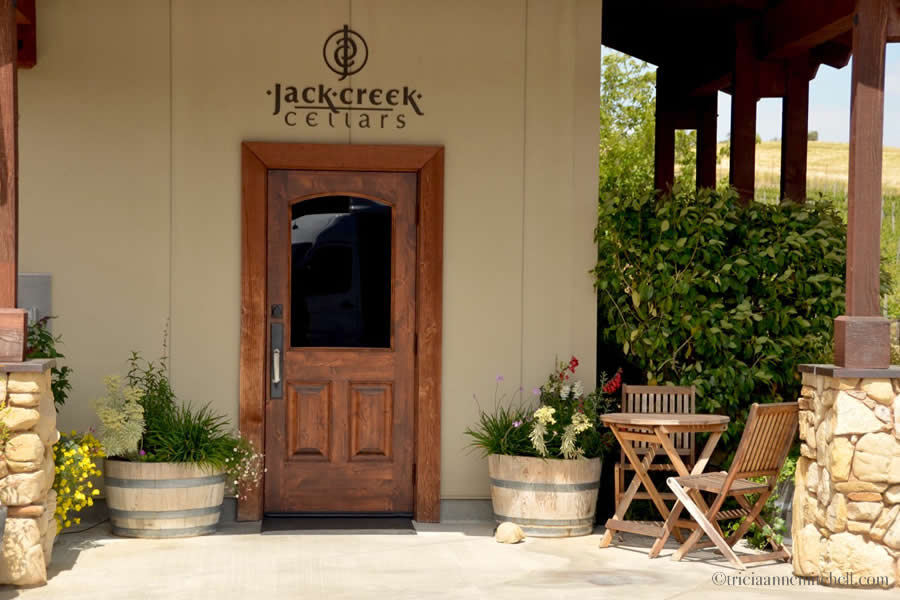
With an intimate tasting room, and staff members clad in flannel tops and cowboy boots, Jack Creek Cellars instantly presented a relaxed ambience. Jack Creek’s grapes are grown in a cooler microclimate, thanks to the vineyards’ proximity to the Pacific Ocean. The family-owned winery focuses upon Pinot Noir, Syrah, Grenache, and Chardonnay varietals.
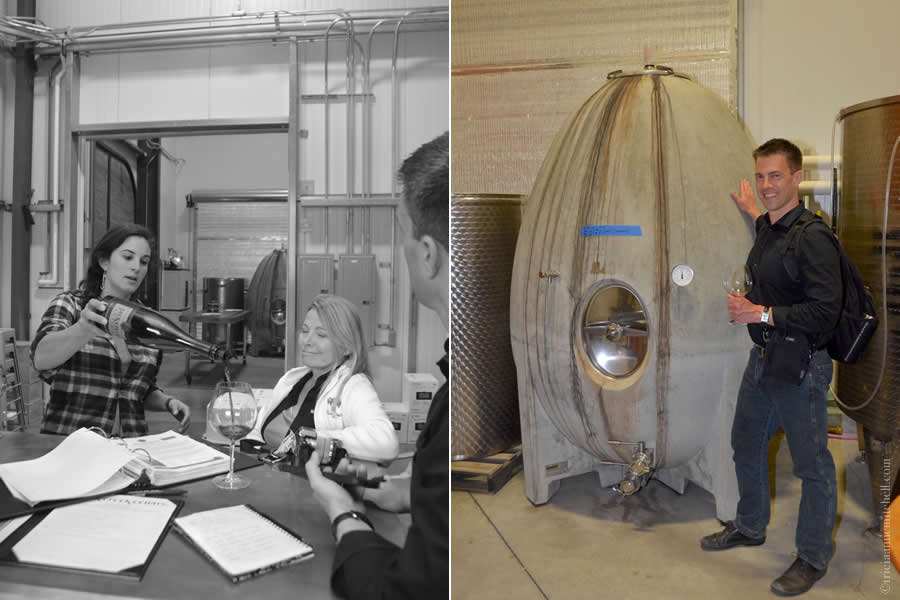
With energetic Michelle at the pouring helm, we had a fun final tasting. Our interest was especially heightened by Jack Creek’s use of a concrete egg to ferment and age select types of wine. Concrete has been used in winemaking since the 1800s, but this was the first time we’d tried wine made in such a manner. We appreciated the Grenache’s slight mineral notes, smooth nature, and fruity, but not overpowering quality. Jack Creek has done a concrete-aged Chardonnay too – dubbed the Concrete Blonde – but it was sold out.
Jack Creek Tasting:
- 2013 Estate Chardonnay
- 2013 Estate Pinot Noir
- 2013 Reserve Pinot Noir
- 2012 ‘Stained’ Grenache (My favorite! Aged in a French concrete egg.)
- 2011 Estate Grenache
- 2012 Estate Syrah
Video of This Experience:
Where in the World?
Planning Pointers:
- Paso Robles wine country is located about 25 miles (40 kms) from San Luis Obispo. The region is ideally situated between Los Angeles and San Francisco, near the beautiful Central California coastline.
- Laura, the owner/founder of 101 Wine Tours, picked us up from San Luis Obispo. She leads personally-tailored tours in San Luis Obispo, Santa Barbara and Paso Robles. She asks that guests preferably book in advance and she’s even done multi-day tours with international visitors.
- For a map of Paso Robles wine country, as well as event details, see the Paso Robles Wine Country Alliance or the Paso Robles Chamber of Commerce.
Disclosure & Thanks:
101 Wine Tours hosted us on this day’s excursion to Paso Robles wine country. We were provided the wine tastings at Turley, Niner, and Jack Creek.
We’d like to extend an extra special thank you to Laura for providing so much insight into wine country in San Luis Obispo and Paso Robles, and for getting us to these various locations happily and safely.
Photography & text © Tricia A. Mitchell. All Rights Reserved. The video is a creation of my husband, Shawn.


Leave a reply to Giovannoni Claudine Cancel reply