
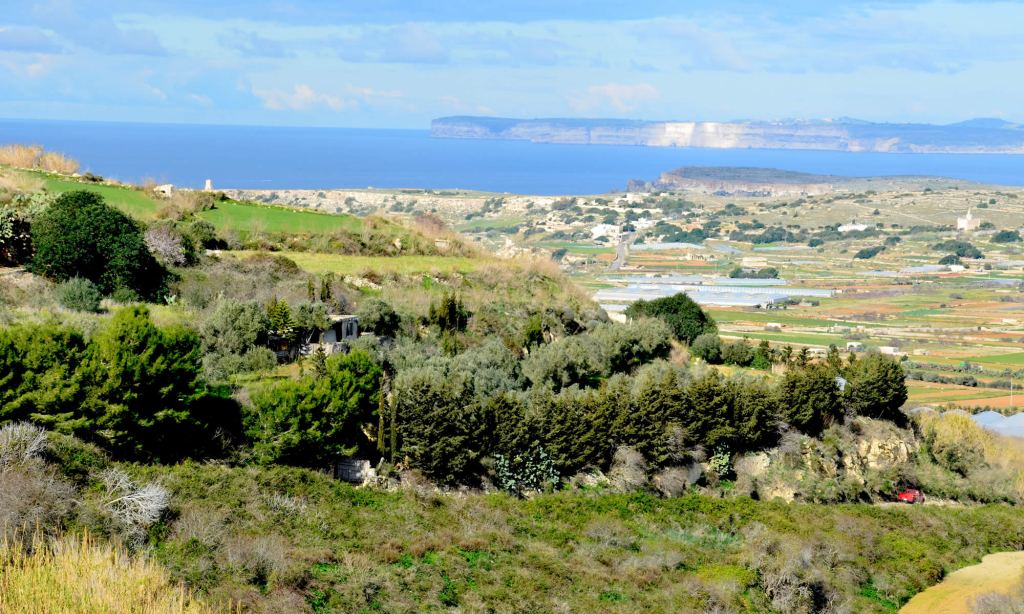
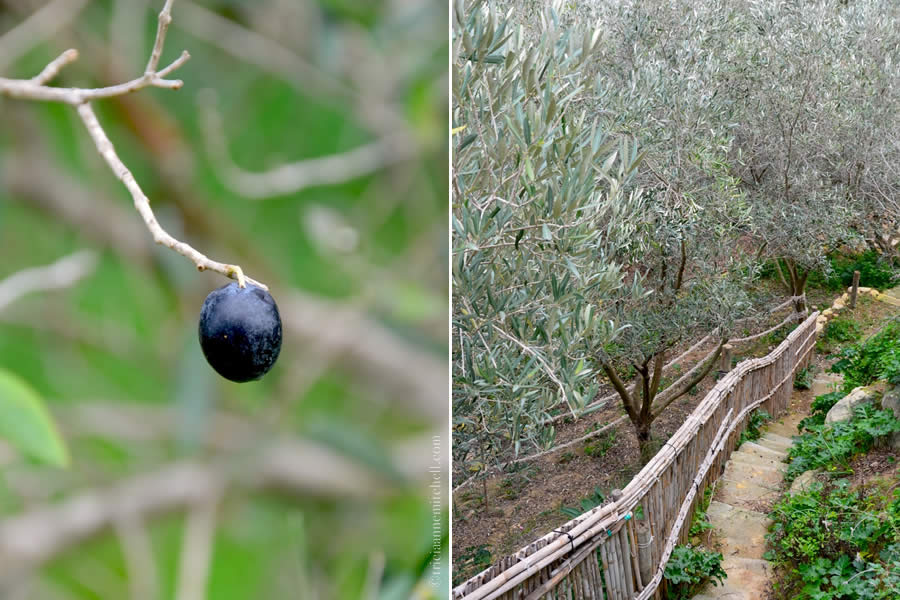
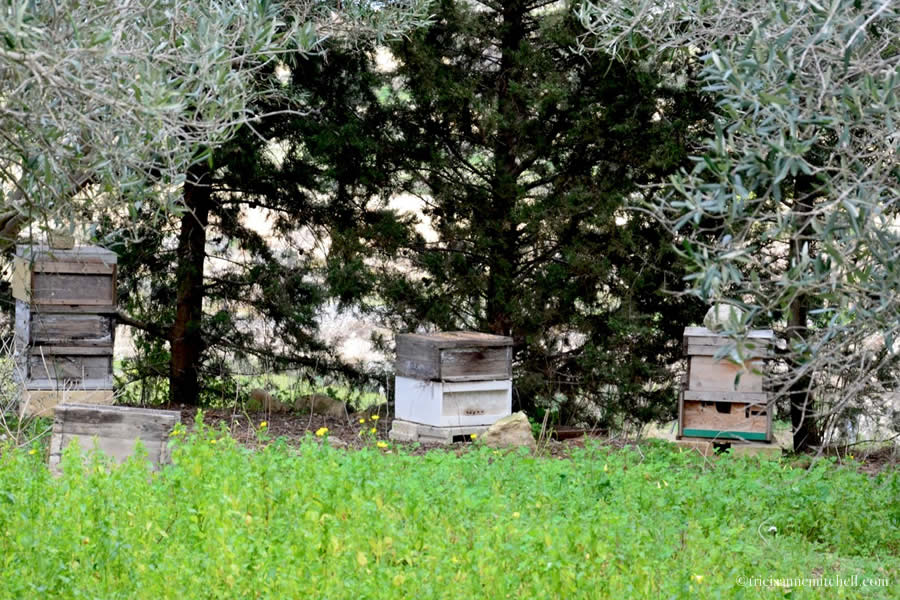
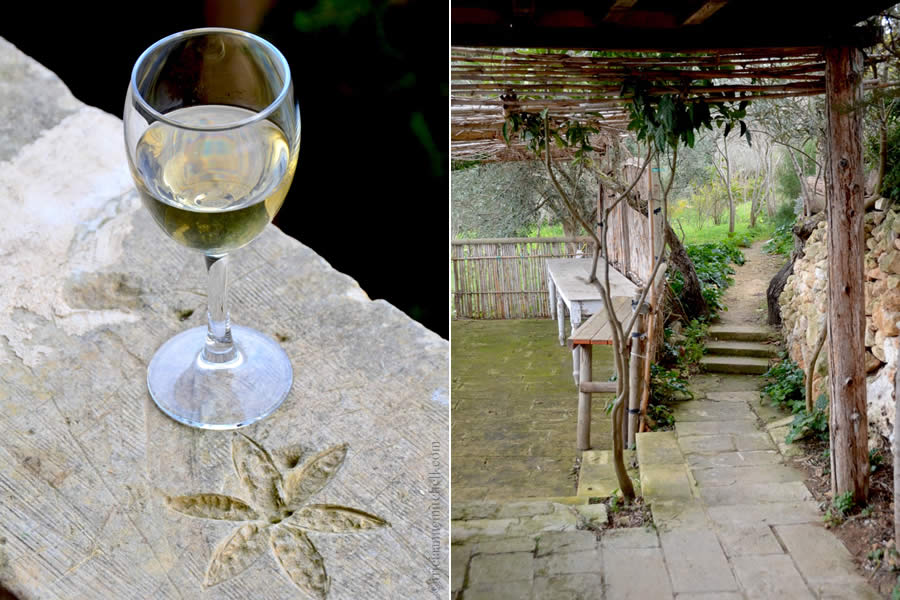
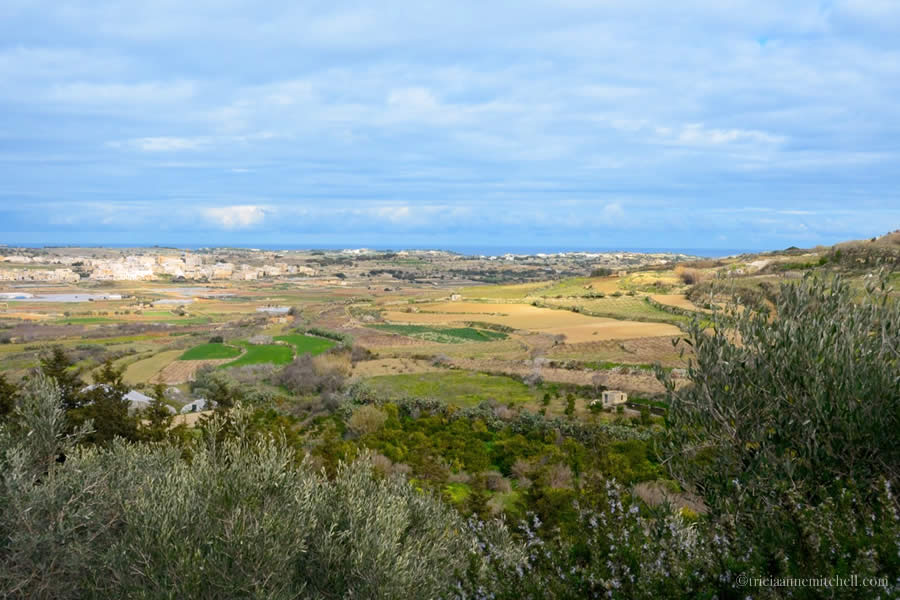
Close to where Malta’s Victoria Lines fortifications taper off, there’s a little piece of Mediterranean paradise — a plot of land where olive and pomegranate trees, along with chickens, goldfish, frogs, and bees mingle. The spot, called the Tan-Nixxiegħa Olive Grove, began its transformation from overgrown and forgotten, to tended and tranquil, just over a decade ago, thanks to two farmers named Charley and Raymond.
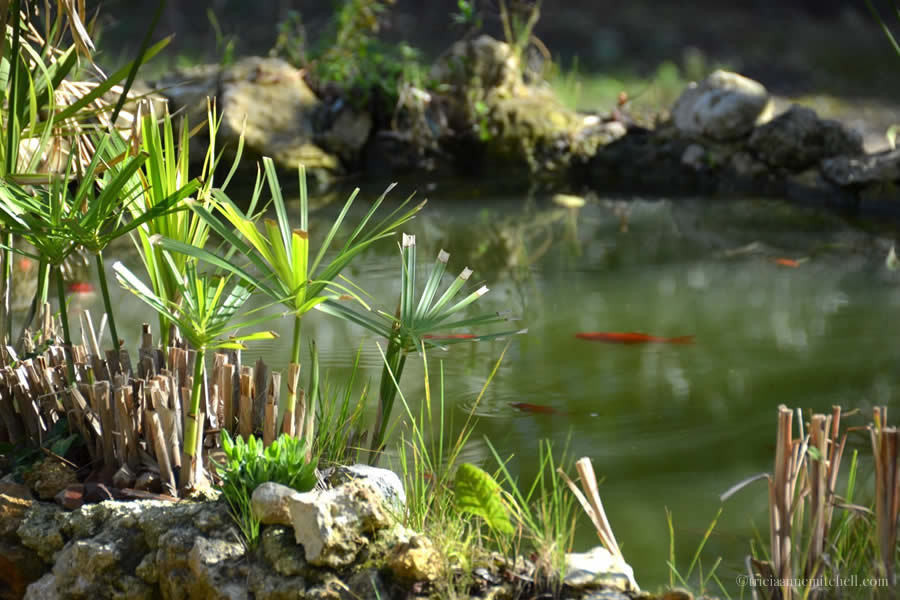
The duo, who are part of the Merill Rural Tours network, converted the green-space, allowing the parcel’s flora and fauna to thrive. Today, thanks to Charley and Raymond’s hard work, you can hear the clucking of chickens, the whisper of the trees’ branches as they dance in the air, and the babbling of a tiny fishpond.
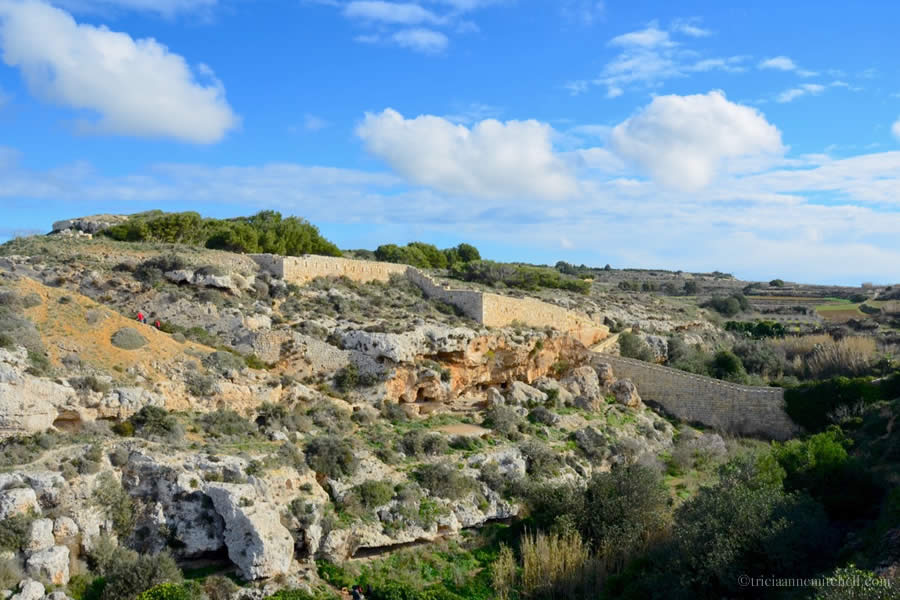
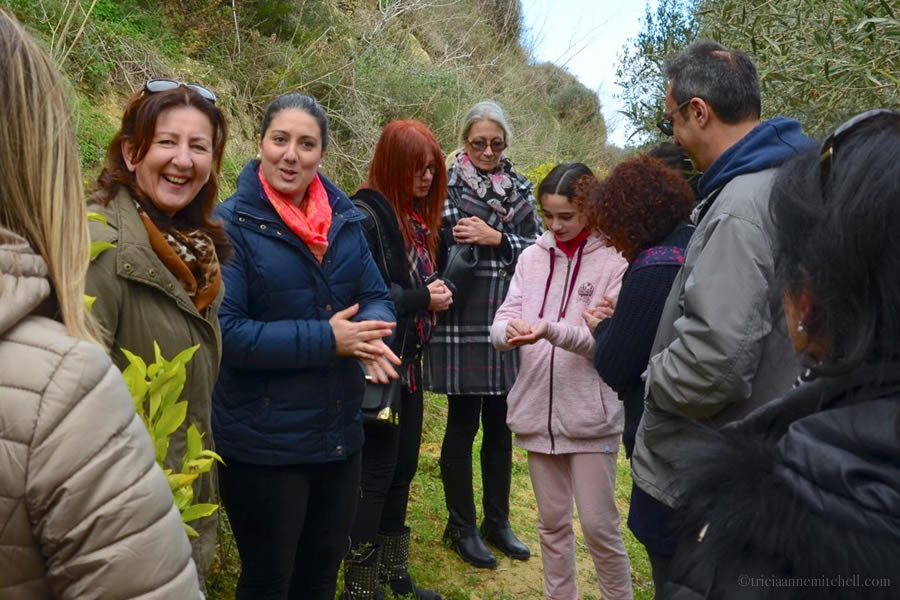
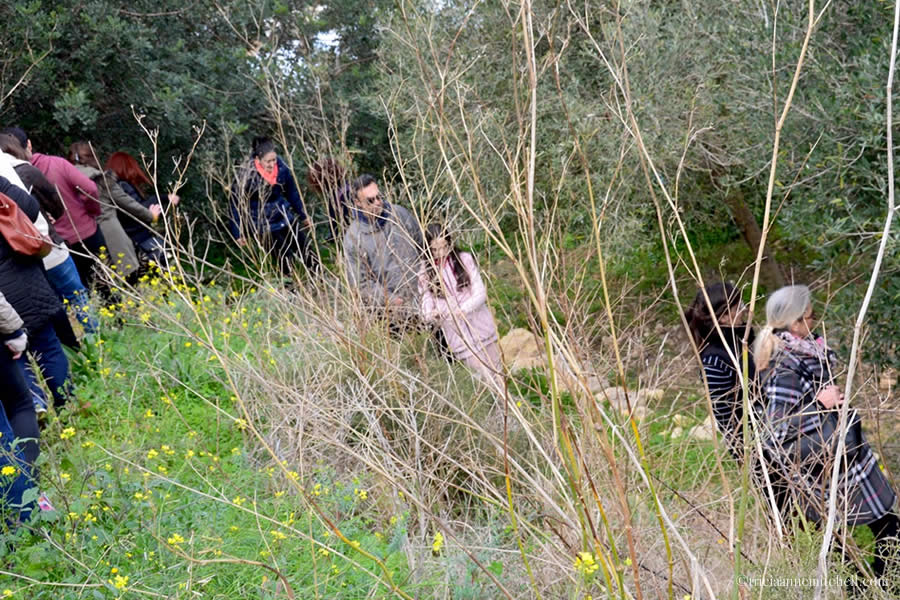
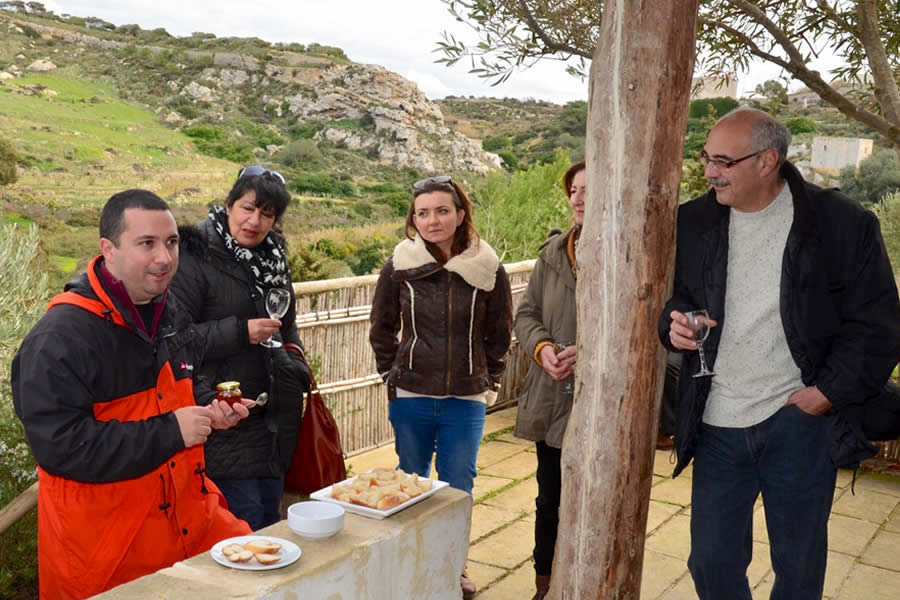
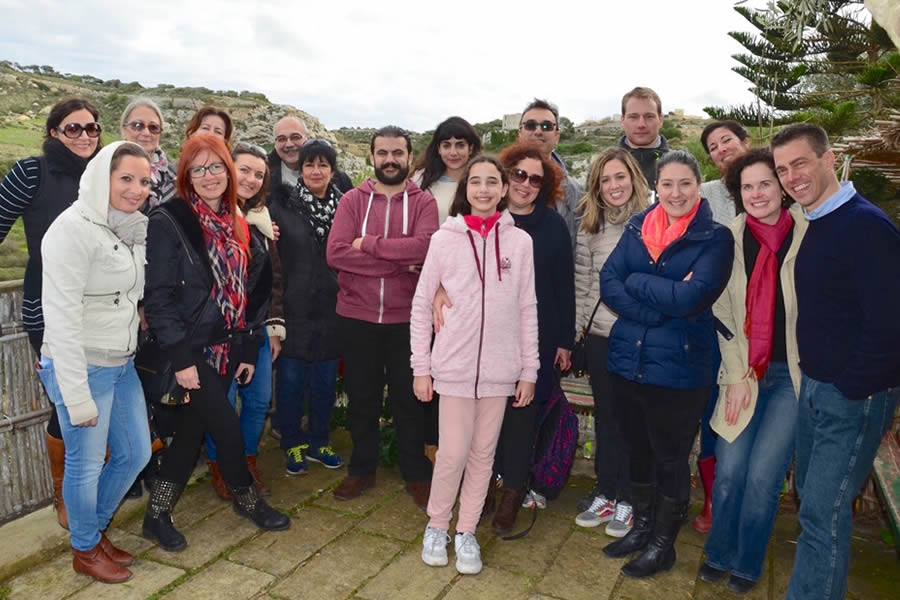
Along with Jeanette and Christian Borg (the founding couple behind Merill Rural Tours) Shawn and I joined a small group exploration of this olive grove and herb garden one Sunday afternoon. Though the winter weather was a bit chilly for Maltese standards, we welcomed the day’s cool, fresh air and the landscape’s peaceful atmosphere.
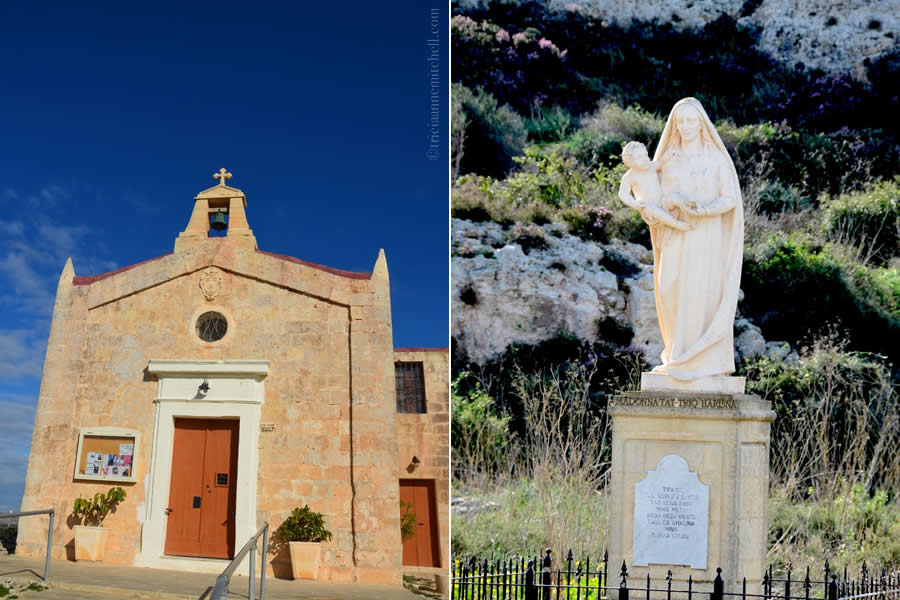
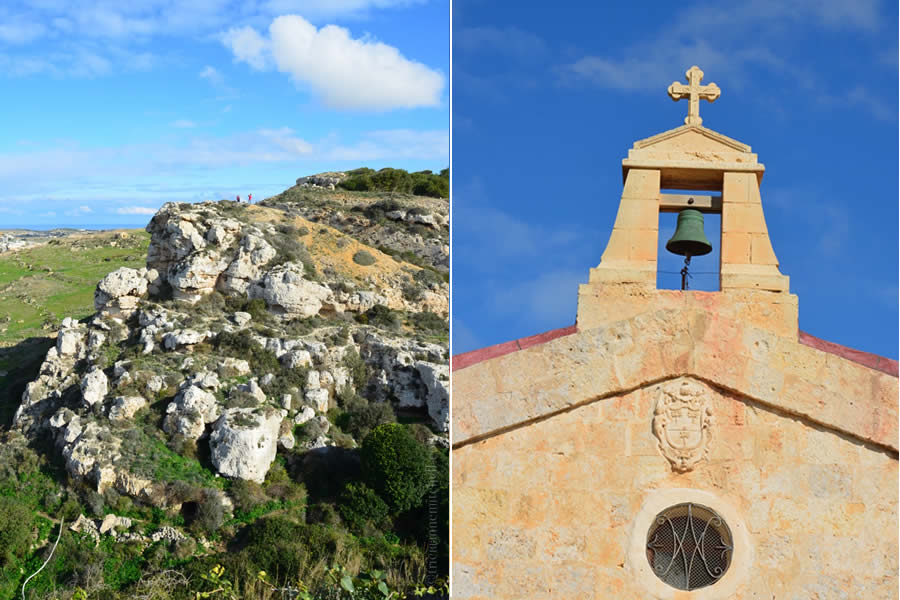
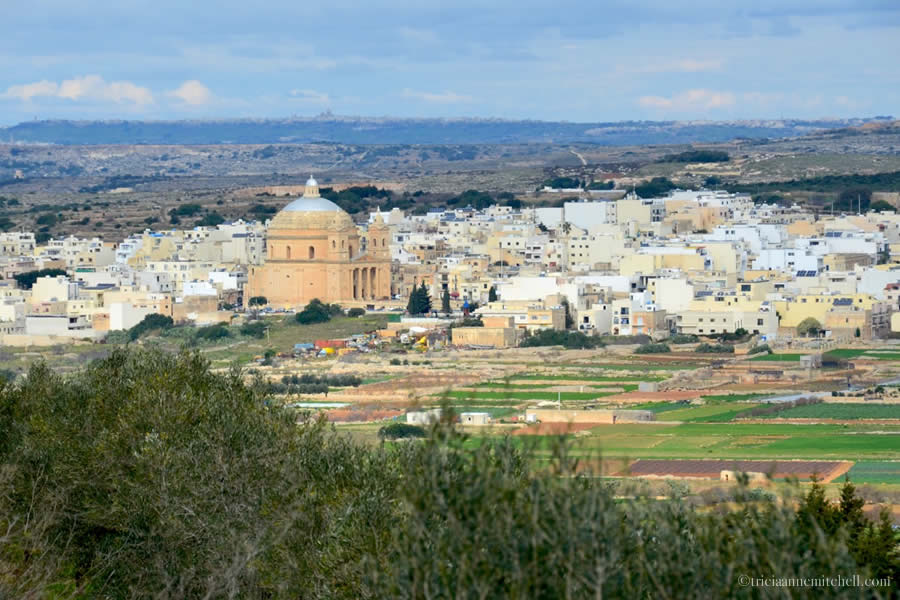
Meeting at a 17th century-chapel with commanding views of Malta’s sister island, Gozo, Christian asked the group’s participants to tread kindly on the native medicinal plants underfoot. Then, he gave us an overview of his and his wife’s social enterprise, Merill.
“Up until six to seven years ago, the term ecotourism was barely used in Malta,” explained Christian, as he pointed towards the island’s few remaining undeveloped areas. From this vantage point, we could see that even these small pockets of green, rocky land were being engulfed by development.
“Today, because it’s a lot of work, not many people want to engage in agriculture. So we try to support those who do through our rural network,” he added.
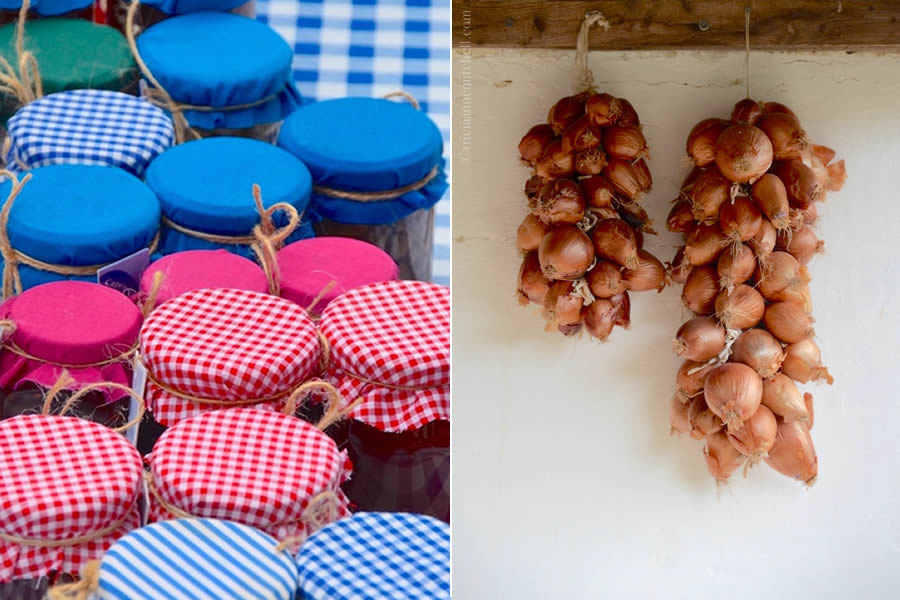
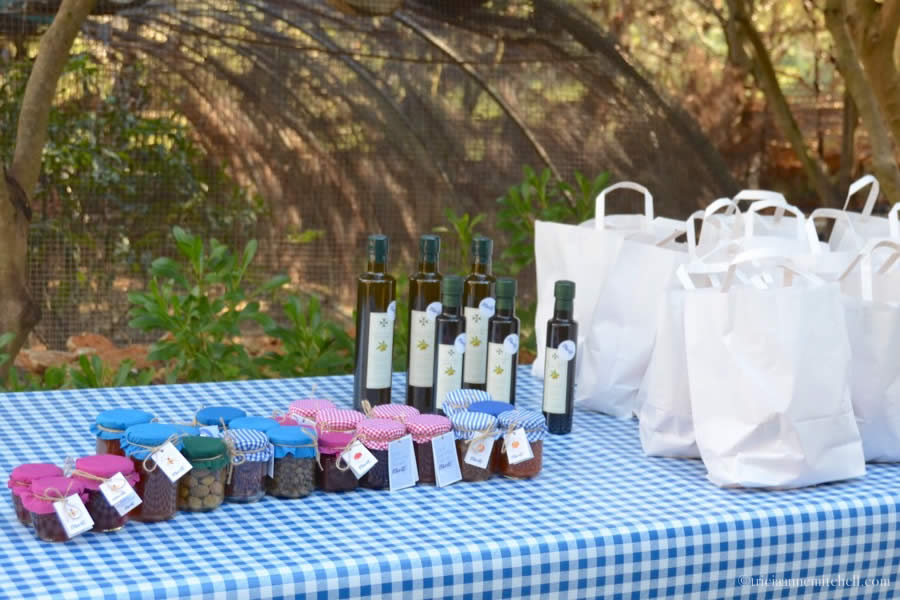
Merill’s rural network is made up of a diverse group of farmers and artisans who engage in everything from growing produce to winemaking and weaving. Merill helps support them by branding and marketing their products, and by raising awareness of what they do by leading ecotours.
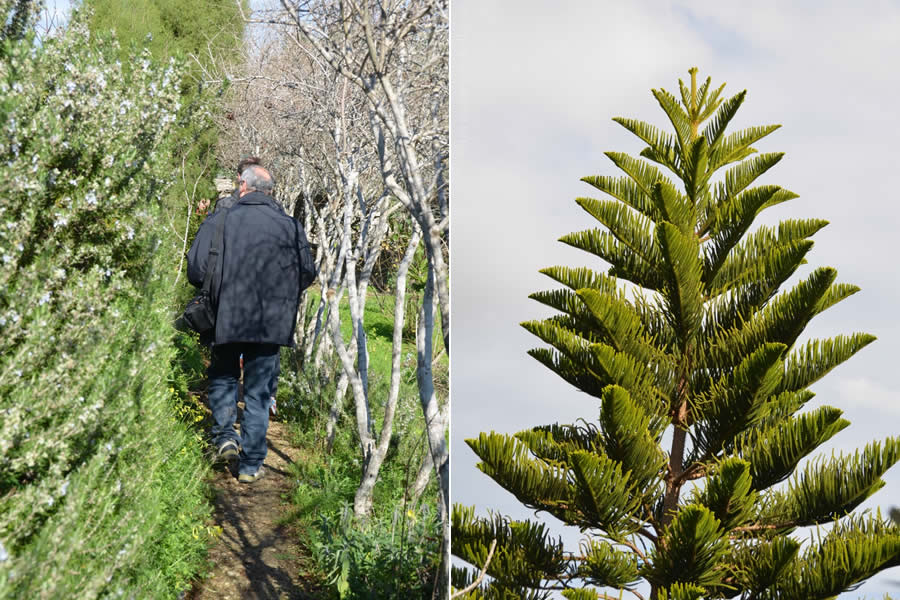
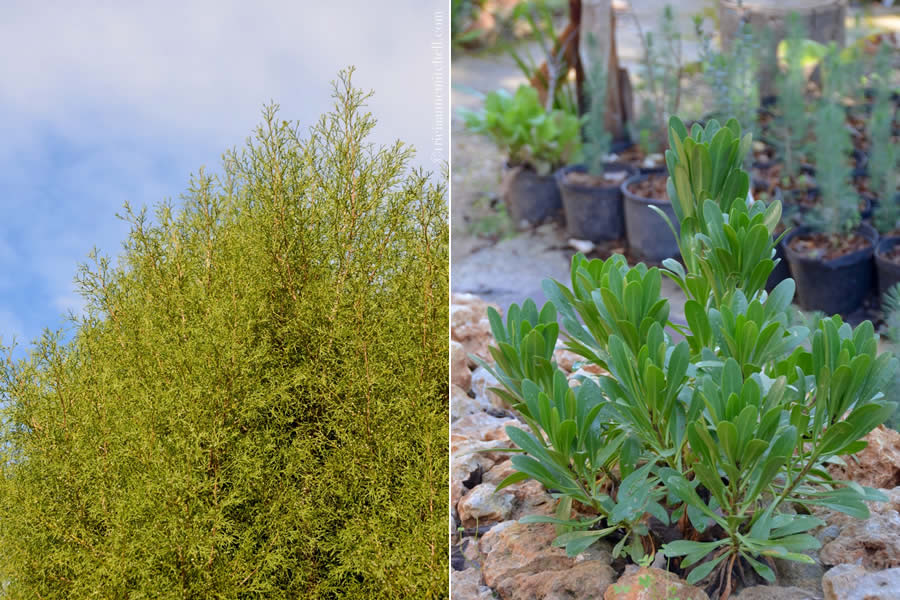
Later, within the grove’s sheltered confines, Jeanette enthusiastically guided us through the property, treating it like “our classroom.” We learned how to identify Malta’s national tree, plant and bird. Merill’s namesake, by the way, is Malta’s national bird. In English, Merill translates to blue rock thrush.
“Up until six to seven years ago, the term ecotourism was barely used in Malta.”
– Christian Borg
As we brushed past the branches of a carob tree, Jeanette shared the interesting fact that the tree’s bean was once used as a tool for weighing gold. Because the tree’s beans are relatively uniform in size, a piece of gold could be put on a balancing scale against the beans. Over time, this unit transitioned from a given number of ‘carob beans’ to the term carat.
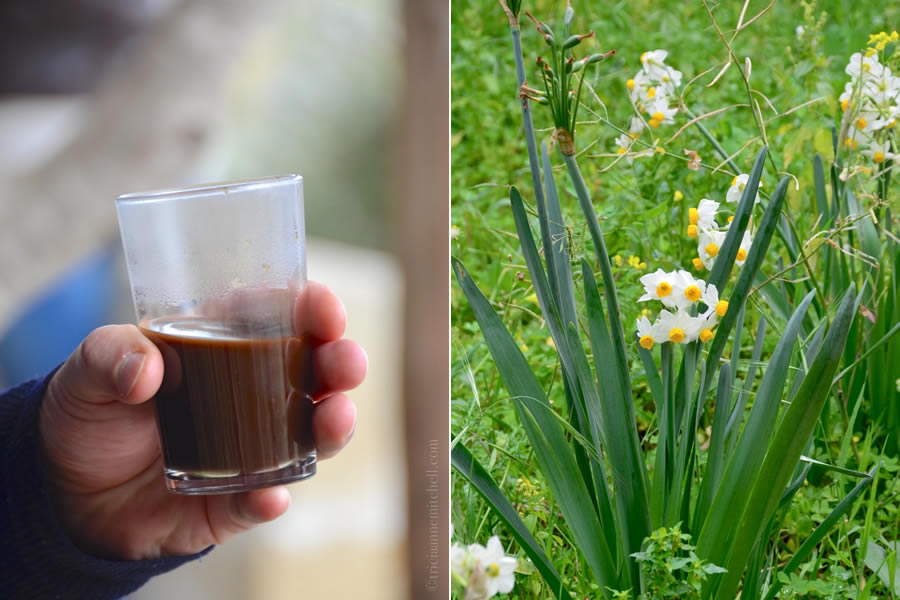
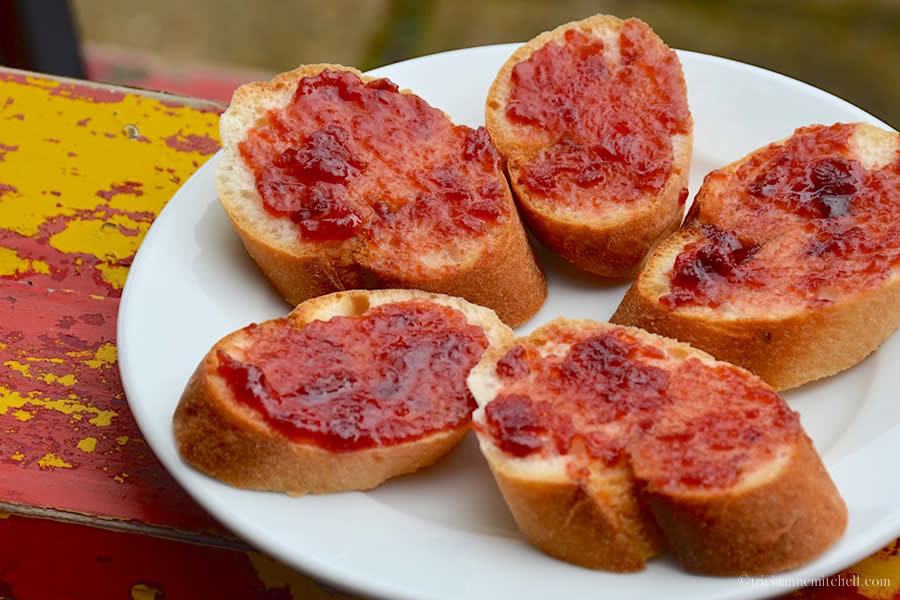
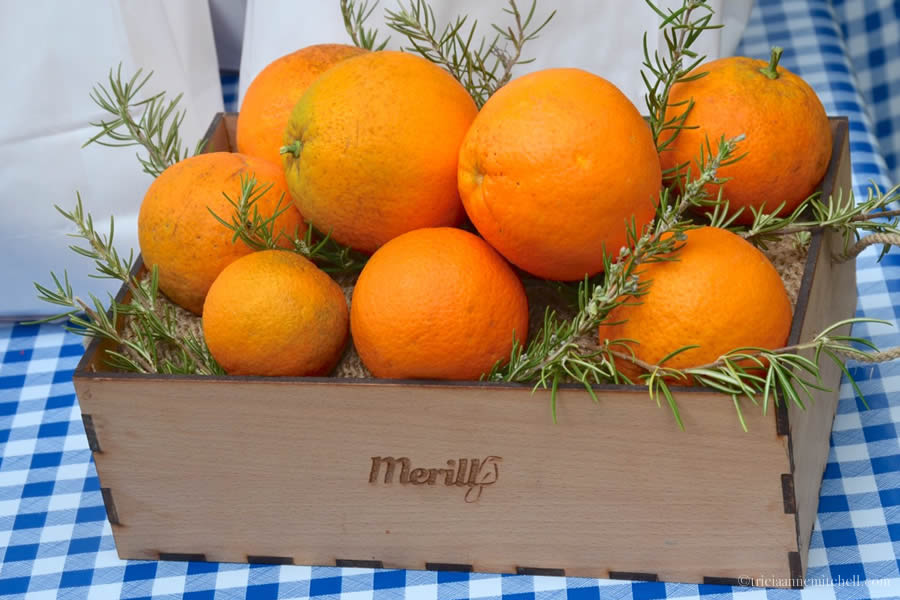
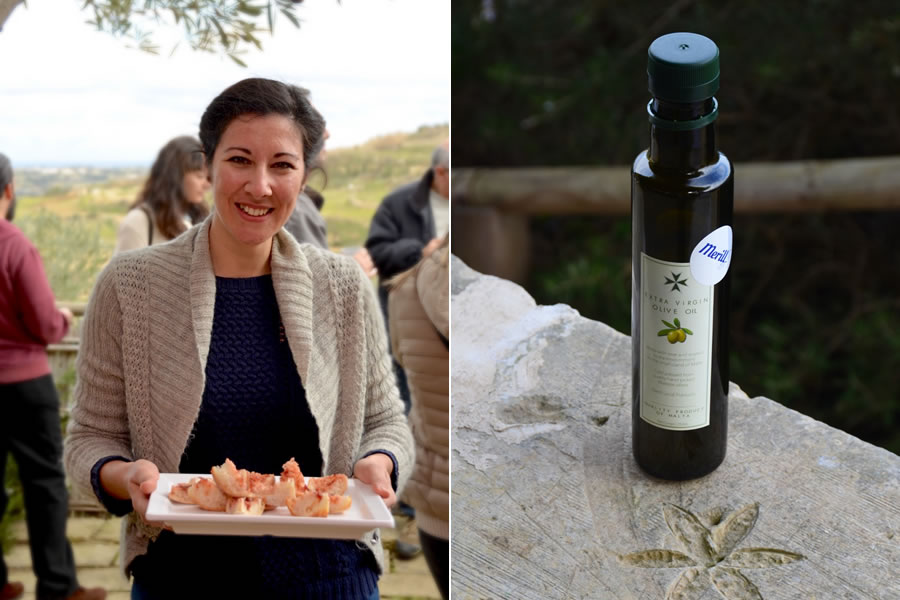
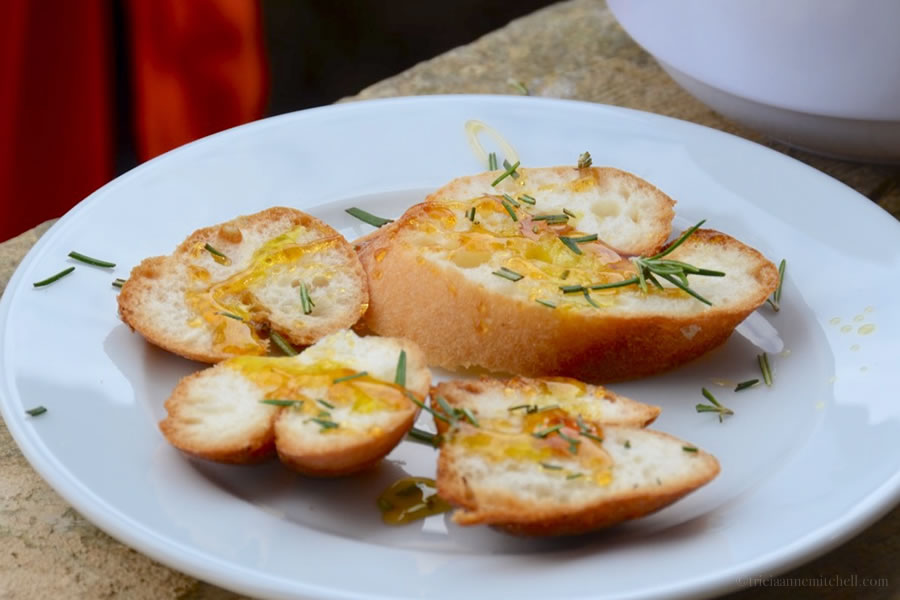
Soon it was time for the excursion’s main event: learning about and tasting olive oil. We also had the opportunity to try a selection of other goodies, ranging from Maltese coffee and wine, to baguette slices flavored with quince jam or tomato paste. My favorite combination consisted of olive oil, honey and fresh rosemary. A ‘recipe’ for this simple snack follows (I hesitate to use the word recipe, because it’s so easy), as do a few pointers from Jeanette and Christian relative to how to approach an olive oil purchase, or tasting.
L-Ikla it-tajba – enjoy!
How to Taste Olive Oil
“Olive oil, unlike many wines, does not get better with age,” Christian explained. “The fresher, the better.” To extend the life of olive oil, Christian said it’s best to store it in a dark place, to keep it away from direct heat, and keep the bottle tightly sealed to avoid exposure to the air.
Jeanette added that the “slight burning sensation” that you feel in your throat when tasting extra-virgin olive oil, is due to polyphenols, which are beneficial antioxidants. Polyphenols are apparently so desirable that the pharmaceutical industry is trying to duplicate them in their labs.
I found it interesting to learn that the hotter the climate, generally more olive fruit is needed to produce a liter of olive oil.
“In Malta, roughly 8.9 kilograms of olives are needed to produce one liter of olive oil. In Northern Italy, that number might be about 6-7 kg, and in Morocco more are generally needed – about 9-10 kg.”
Though Shawn and I have tasted a bit of wine in Europe and in the United States, this was our maiden foray into olive tasting. Christian made the process straightforward, offering these tips:
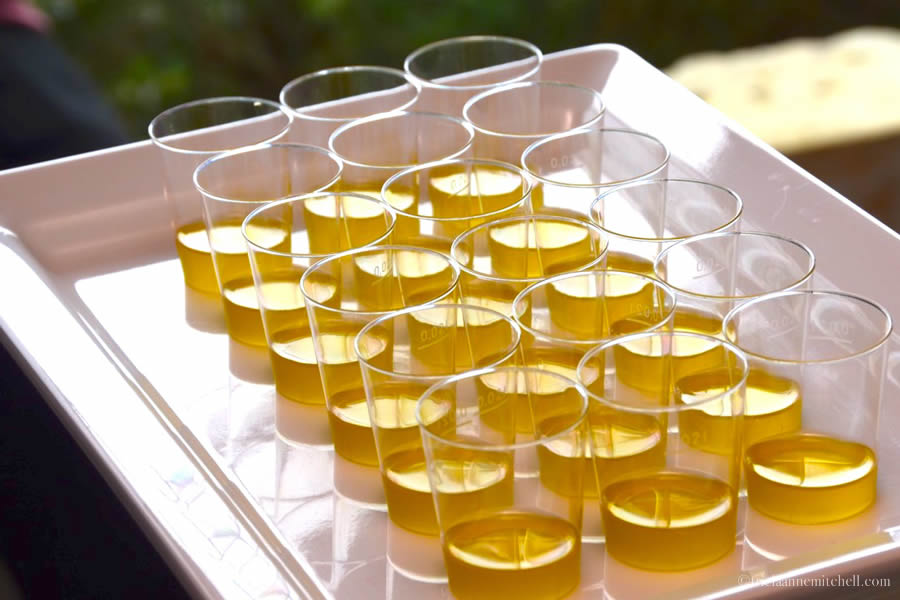
- Hold the vessel of olive oil in your hand to warm it up.
- Make note of the oil’s color; this isn’t an indication of its quality or freshness, though. (In professional tastings, Christian pointed out that judges sample olive oil served in dark glasses. This makes the olive oil samples look uniform in color, so that the judges are not biased by color differences.)
- Sniff.
- Sip the olive oil and swirl in your mouth for a few seconds before drinking.
Recipe: Rosemary-Honey Baguette Slices
- Slice a baguette into thin pieces.
- Drizzle honey onto each slice of bread. Follow with olive oil. Use the highest quality olive oil and honey you can find.
- Snip leaves or sprigs of a fresh herb such as rosemary, then sprinkle on top of the baguette slices. The Merill team said you could also use fresh thyme, lemon balm, or mint.



Video of this Experience:
Where in the World?
Planning Pointers:
- Merill, an eco tour social enterprise, coordinated this excursion in the countryside. From citrus harvests and wine and cheese tastings to salt harvests and weaving demonstrations, Merill organizes a variety of experiences throughout Malta. Contact co-founders Jeanette and Christian for more details.
- Need more inspiration? This link contains an index of all my posts from Malta.
Disclosure & Thanks:
Merill hosted us for this olive-tasting afternoon out in the countryside.
Grazzi ħafna to Merill’s Jeanette and Christian for facilitating this fun, educational and relaxing excursion. From informative emails beforehand, to procuring gluten-free bread for me, and reminding visitors not to tread upon flora, we greatly appreciated your attention to detail and your respect for the environment.
Photography & text © Tricia A. Mitchell. All Rights Reserved.




Leave a reply to timjustinblog Cancel reply