

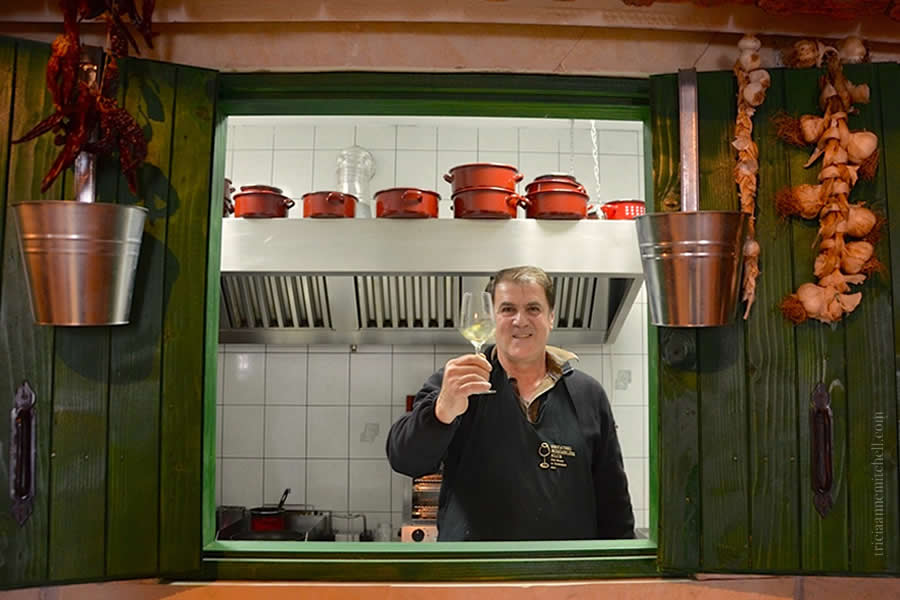
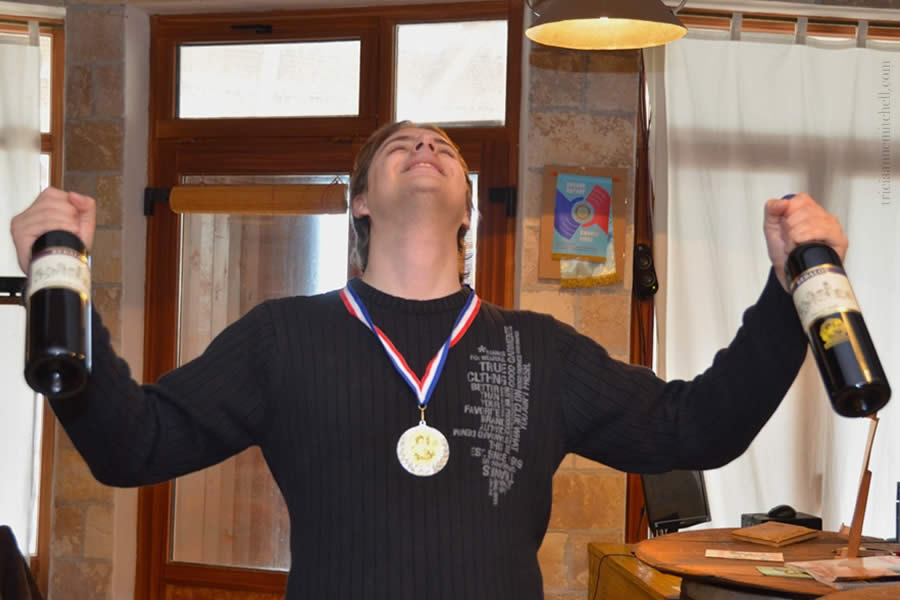
Jakša Bedalov’s earliest winemaking memory was when he was just five years old. Tasked with cleaning his family’s fermentation room near the coastal Croatian city of Split, Jakša remembers his father pushing him so that he could squeeze into the small space. It was a challenging feat since he was a broad-shouldered child.
“It was like being in the womb all over again,” he jokingly recalled during our recent cooking class in Kaštel Kambelovac, just minutes from Split.
The experience of being squished into a contorted position must not have been too traumatic, since today, winemaking is one of Jakša’s great loves. Another passion is creating traditional Croatian cuisine. More specifically, dishes from Jakša’s native Dalmatia. Dalmatia is a region of Croatia extending along the eastern side of the Adriatic Sea.
Before we started preparing the day’s three dishes, our friend Jakša elaborated upon his cooking philosophy.
“As I get older, I revert to creating childhood dishes that I was once afraid of. When you’re young, you run away from broad beans, but today they’re one of my favorite ingredients,” Jakša explained through our friend and translator Srđan Mitrović. Srđan runs the Art of Wine, and has certainly been keeping us busy with things to do in Split these past weeks!
With travelers on restricted diets participating in Jakša’s and Srđan’s culinary experiences, Jakša also found that creativity and versatility were important traits for a recipe developer to possess. For our informal class that day, Jakša had designed a menu around my gluten-free dietary restrictions, and ‘selectarian’ meat preferences (I only eat seafood and poultry.)
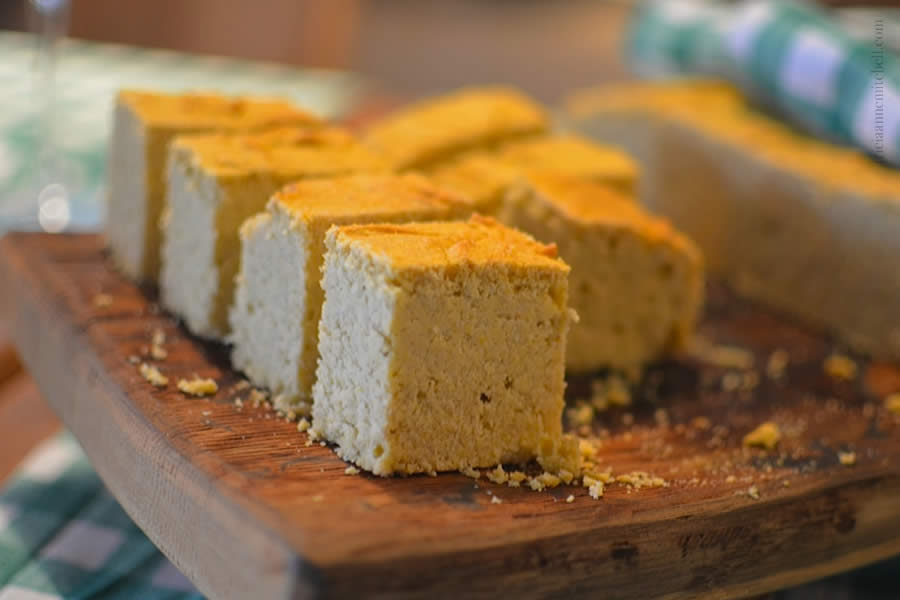
Upon arrival, he greeted us with shots of Rakija (Croatia’s Grappa or brandy), coffee, and freshly-baked gluten-free bread made with corn and buckwheat flour. We immediately found the bread to be quite tempting; it was lucky I didn’t ruin my appetite before we even got started on eating the main courses!
“Having a vision is the key, since each ingredient has its own story.”
– Jakša Bedalov
When I asked Jakša about his favorite dishes, his facial expressions become immediately impassioned.
“I have ten favorite dishes – everything from Beef Pašticada, to dishes with lamb, broad beans, cabbage, and aged sheep’s milk cheese. They’re all divine!”
The common thread that weaves Dalmatian dishes together, Srđan explained, is Jakša’s use of fresh, seasonal ingredients.
“Jakša has an Old World Mediterranean, simple cooking philosophy,” Srđan explained as we began our time in the kitchen. “The philosophy of Old World Mediterranean cooking focuses upon using fresh ingredients, whereas the New World philosophy is all about the chef.”
“Having a vision is the key, since each ingredient has its own story,” Jakša added.
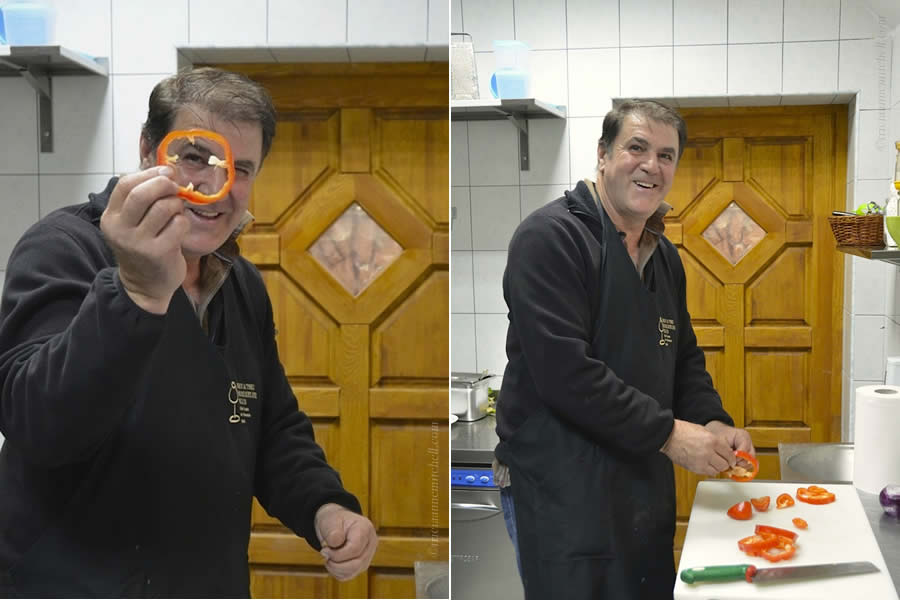
As Jakša pulled out red peppers from his arsenal of fresh produce, Srđan continued.
“Croatia’s Dalmatian dishes are light and simple, letting the main ingredients shine. You must start with good, quality ingredients, and that’s why we cook with what’s in season. Jakša’s veggies and spices are certified organic – they’re grown locally and in his garden.”
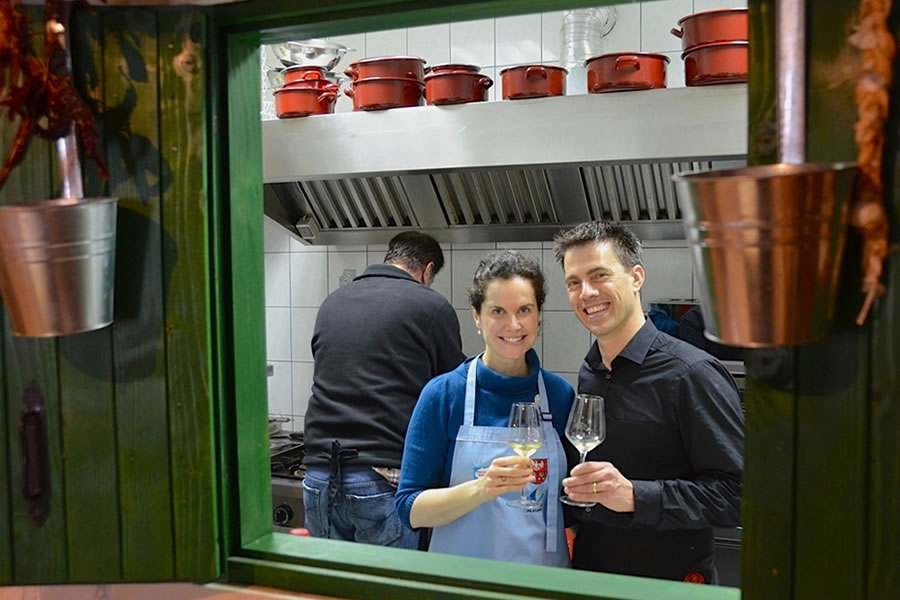
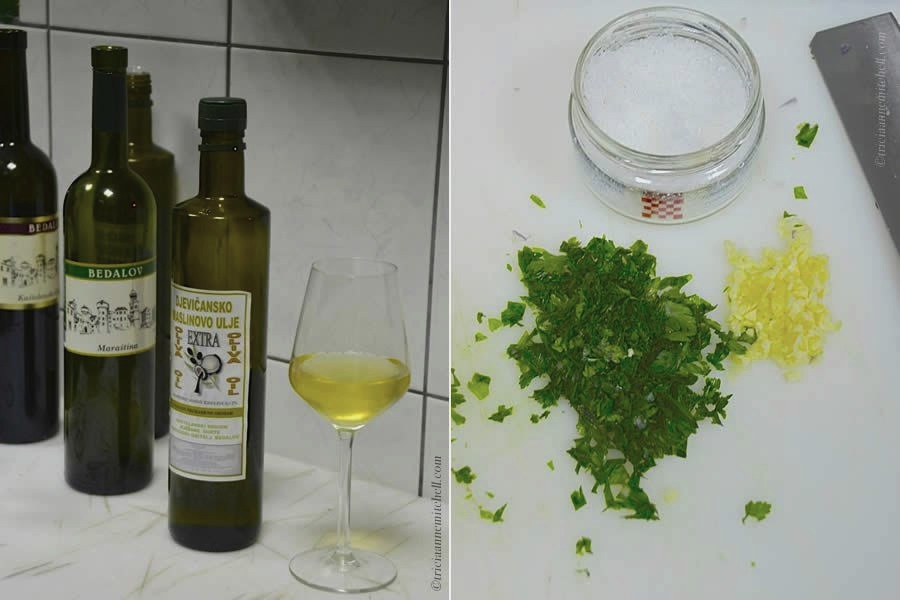
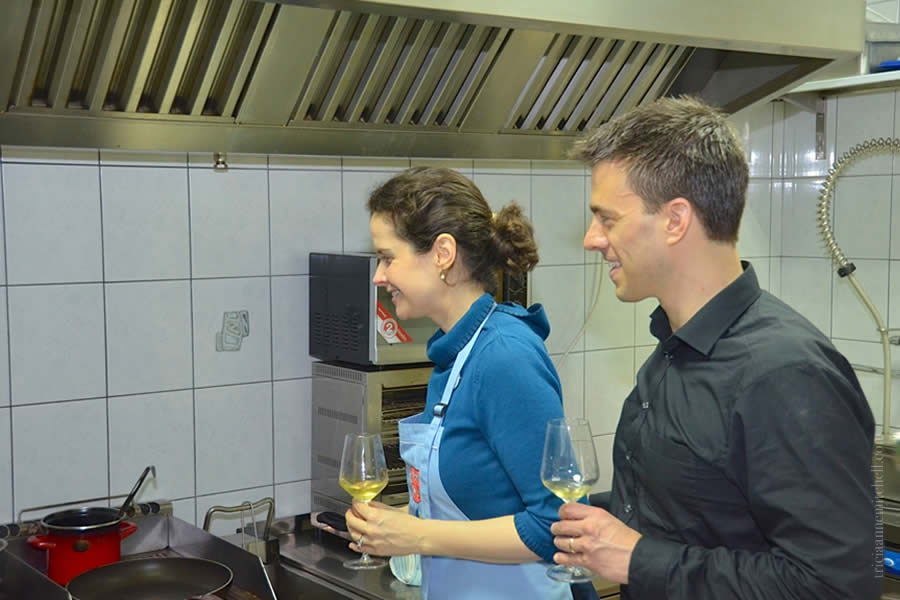
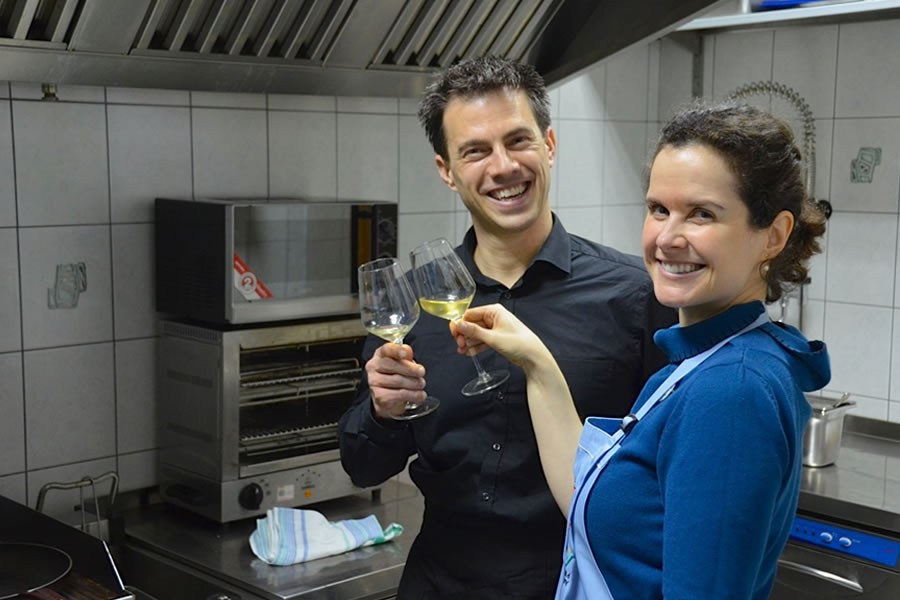
While swirling glasses of Maraština in the kitchen, I become increasingly curious about Jakša’s family history of winemaking.
I learned that Jakša’s family has been growing grapes for hundreds of years, with records showing that his ancestors have lived in the area for at least 800. Jakša explained that Kaštel Kambelovac and the surrounding towns used to be a wilderness, with Split’s Old Town as the only sizable city nearby.
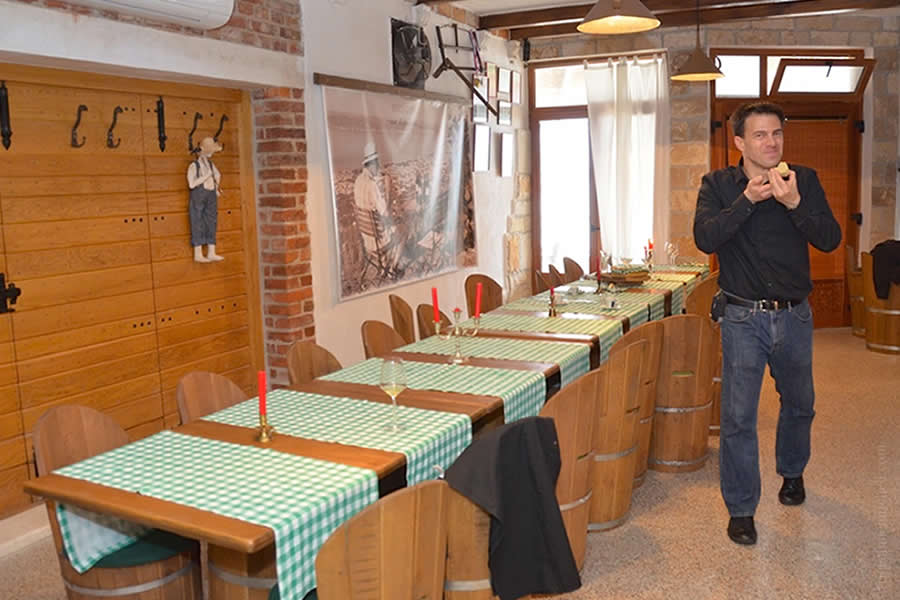
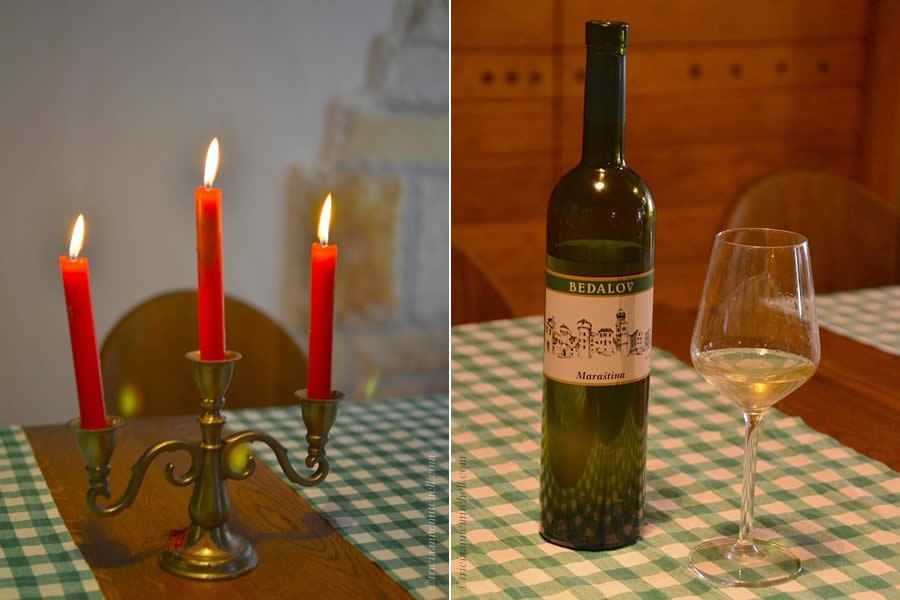
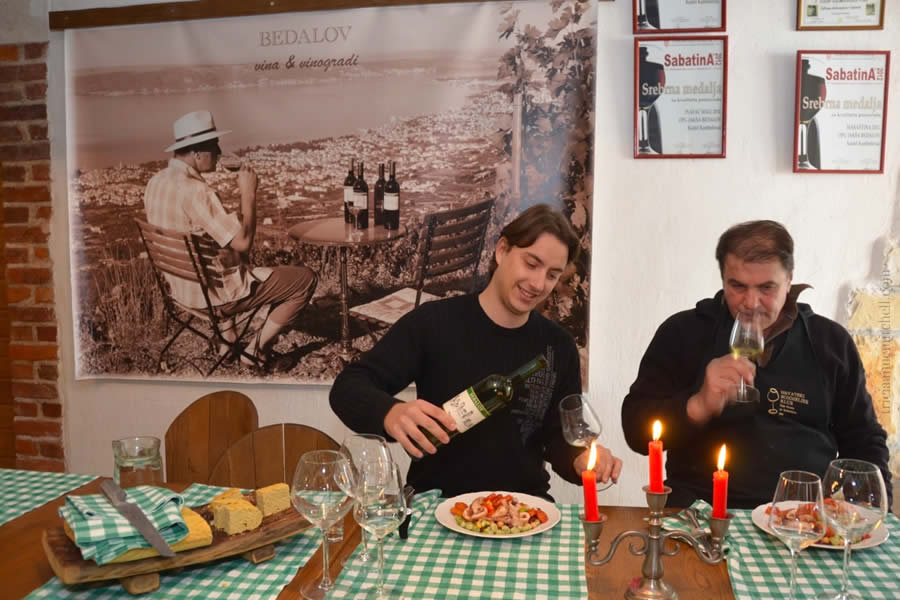
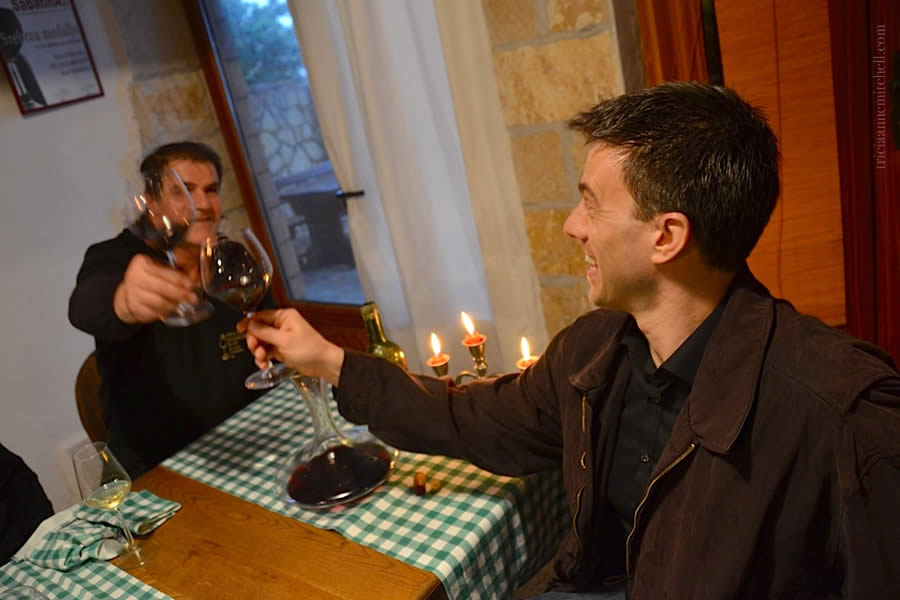
Eventually, we plated our carefully-prepared cuisine and took it into Jakša’s dining room, where we savored the delicious meal Jakša so patiently helped us create. We would remain there until the early evening hours, taking our cue from the melted-down candles that it was time to go. It was a fantastic day that gets me hungry just thinking about it!
Below, you’ll find our menu, as well as a recipe for Jakša’s incredible Zinfandel Risotto. If you try the recipe, I’d love to hear what you think.
Jakša’s cooking epitomizes the Slow Food movement, which aims to preserve local food traditions and raise awareness of the food people eat. In today’s fast-paced world, do you think this is do-able? If so, how do you incorporate such practices into your lifestyle?
As they say here in Croatia, Dobar tek – bon appétit!
Flight of Wine:
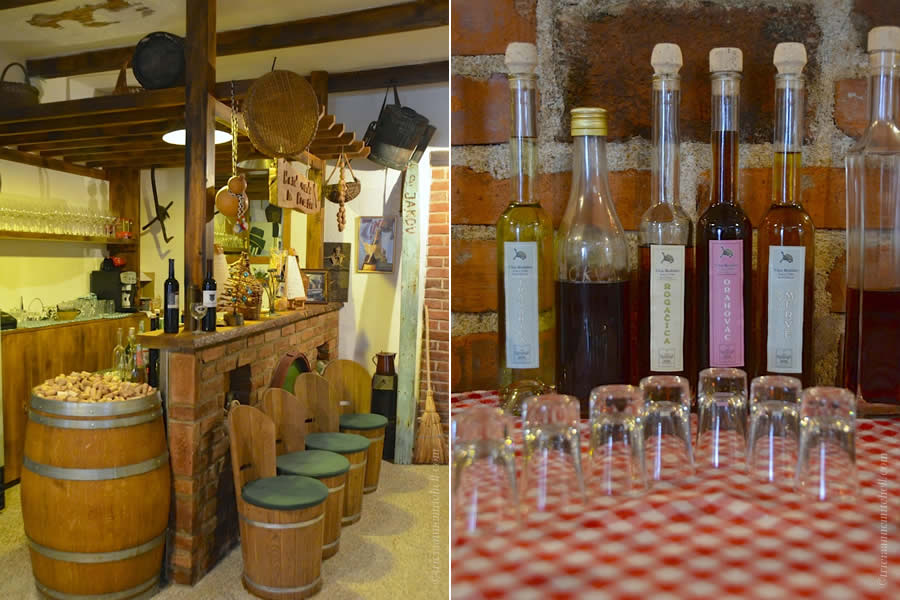
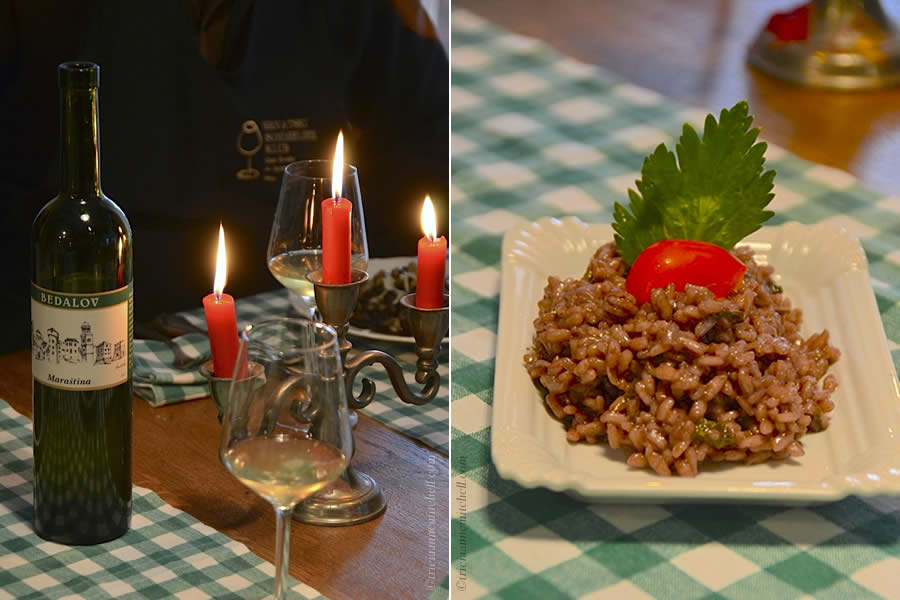
- Bedalov 2011 Maraština, 13.3% alcohol content. (Similar to Loire Valley Sauvignon Blanc or Chenin Blanc.)
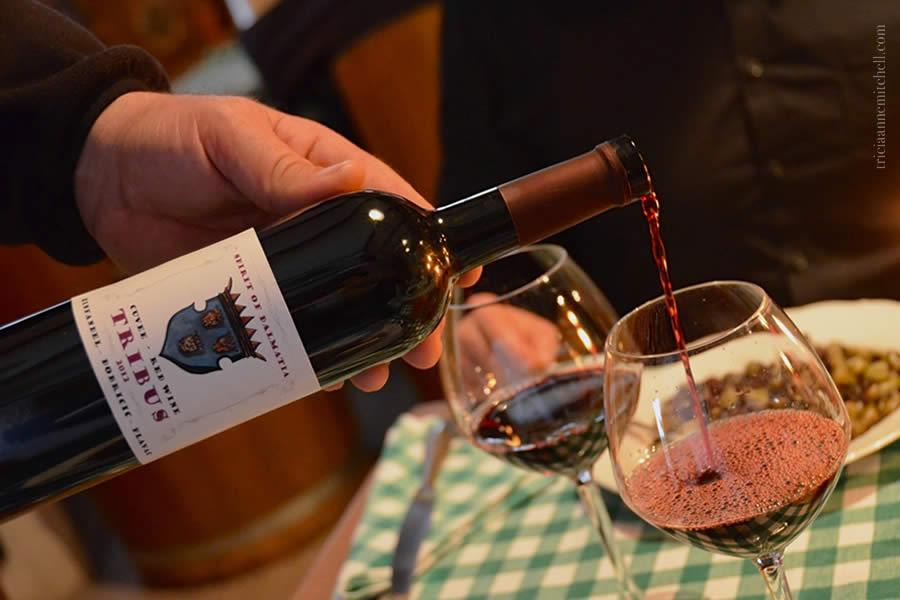
- Bedalov 2012 Tribus, 14.2% alcohol content. (A blend of Zinfandel (Crljenak Kaštelanski), Plavac Mali and Dobričić.)
Our Menu:
- Buckwheat & Corn Flour Bread
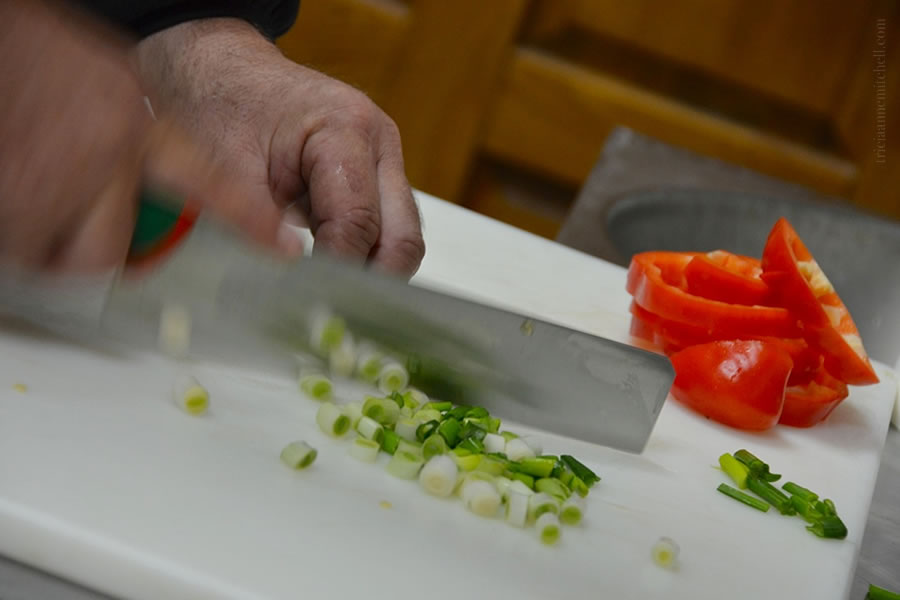
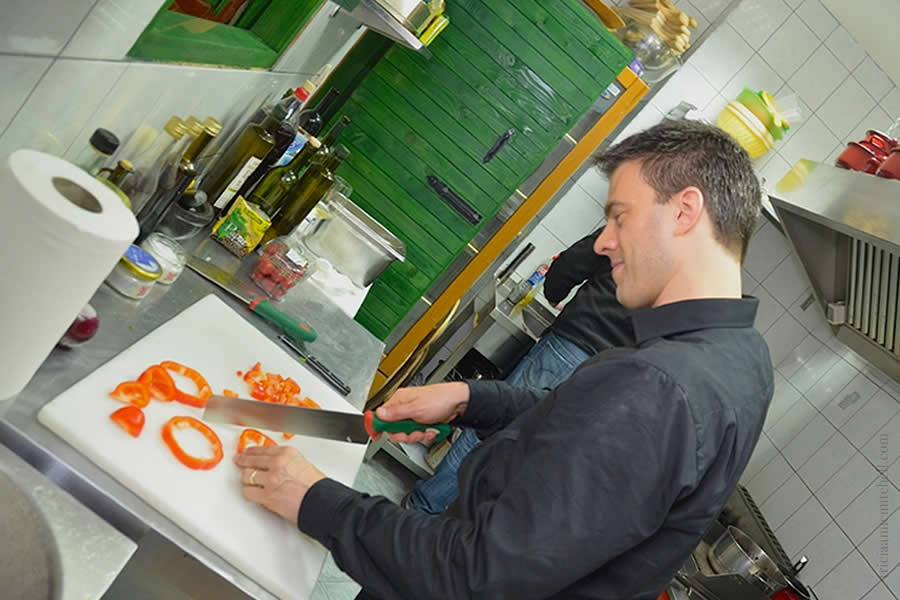
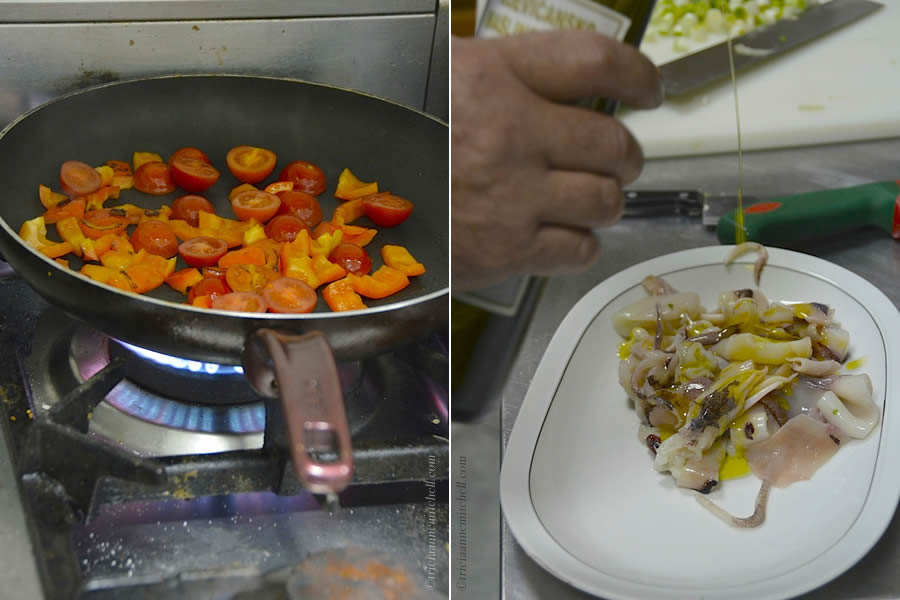
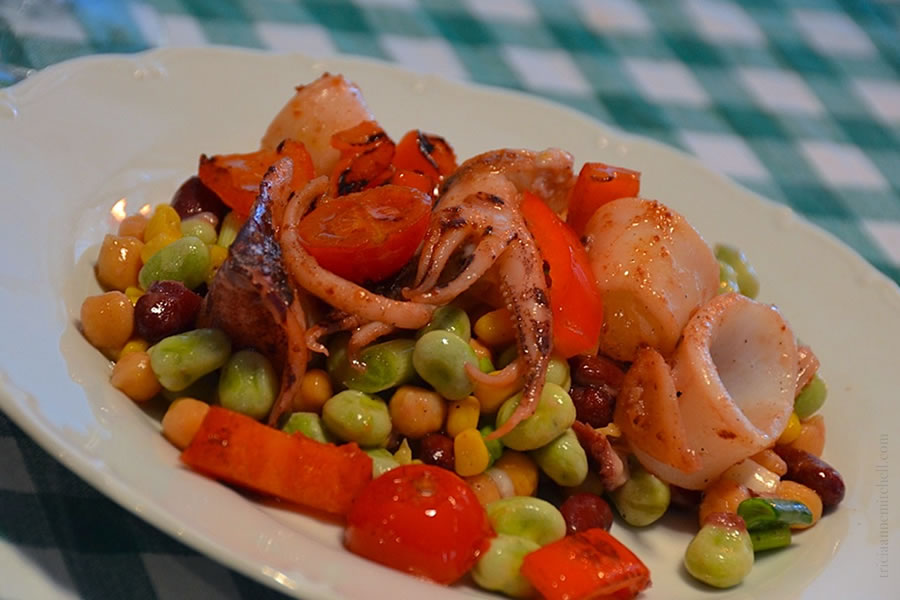
- Grilled Squid & Vegetable Salad: A vibrant-colored blend of cherry tomatoes, red peppers, corn, broad beans, chickpeas, and grilled squid drizzled with lemon juice and olive oil.
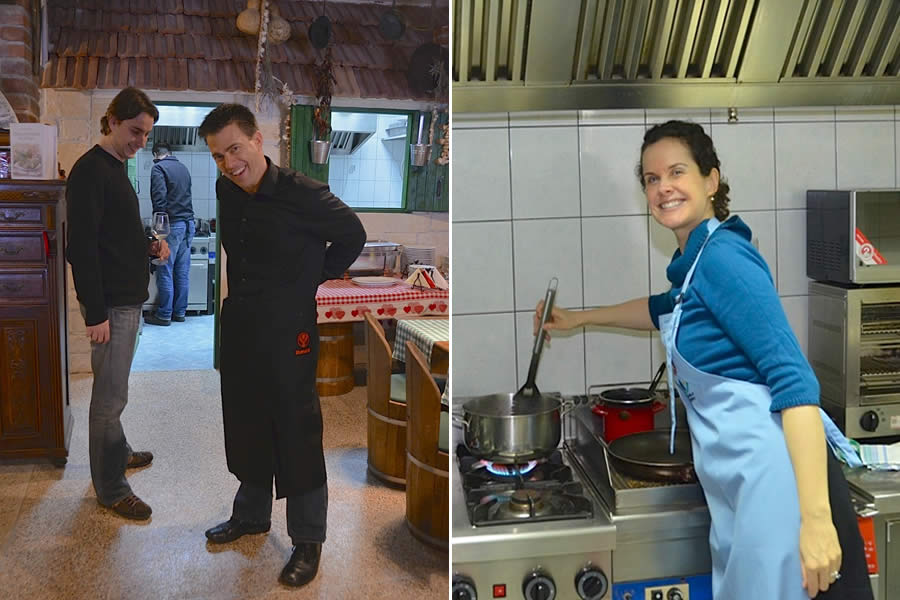
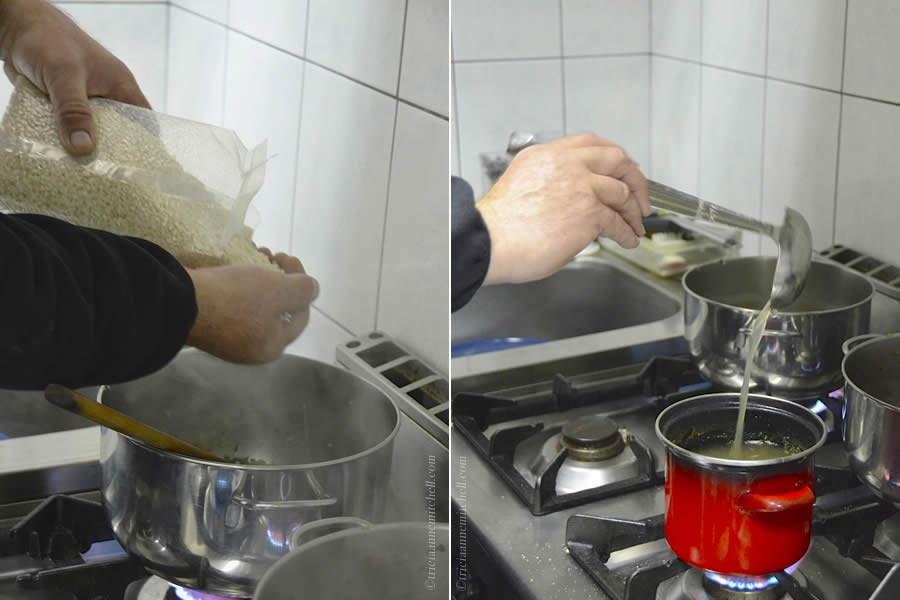
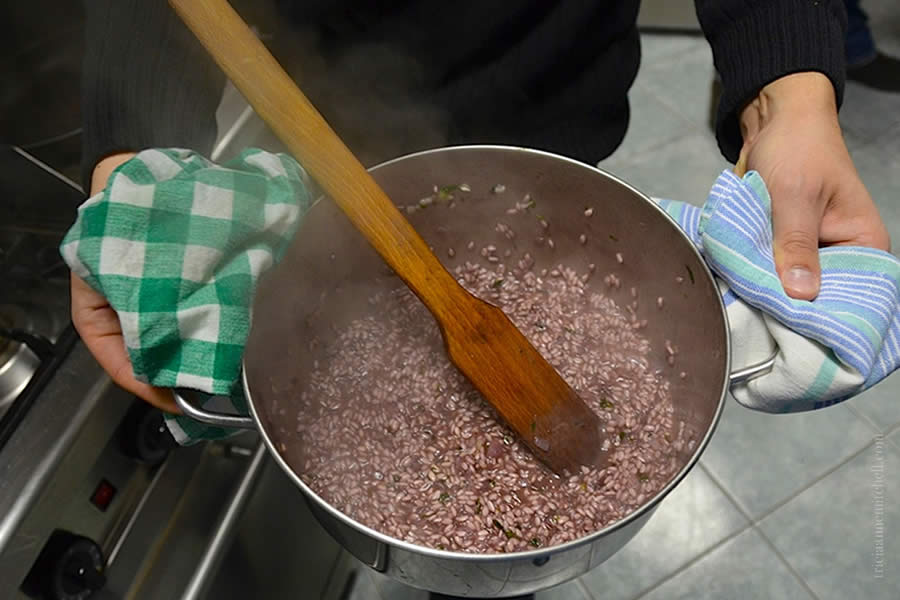
- Zinfandel Risotto: Arborio rice slowly cooked with a blend of parsley and garlic, vegetable stock, and of course, Zinfandel wine. (Recipe at the bottom of this post.)
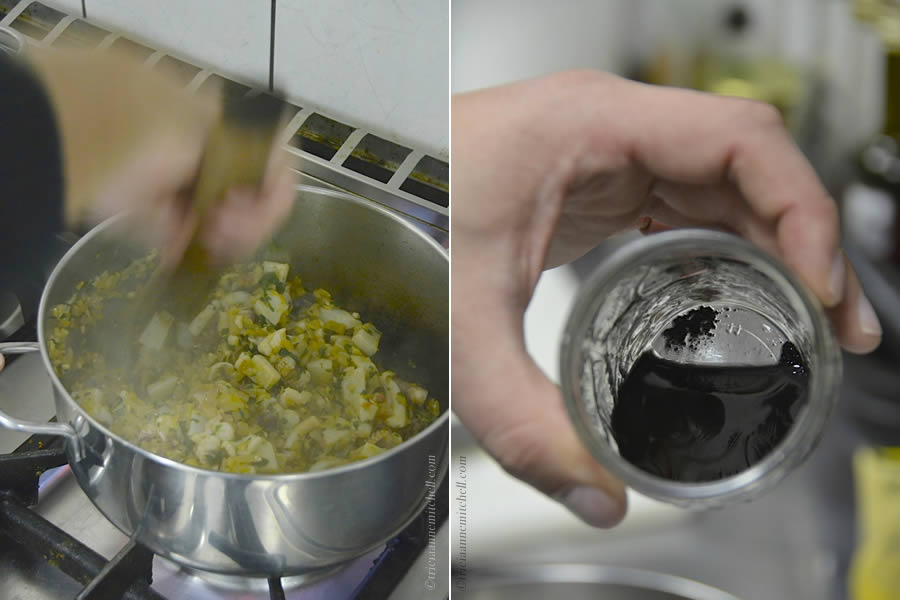
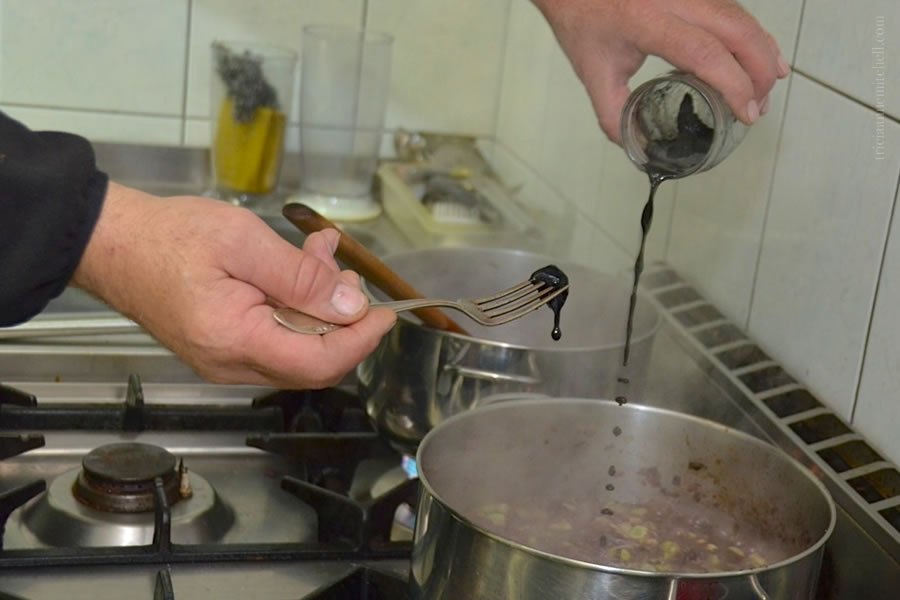
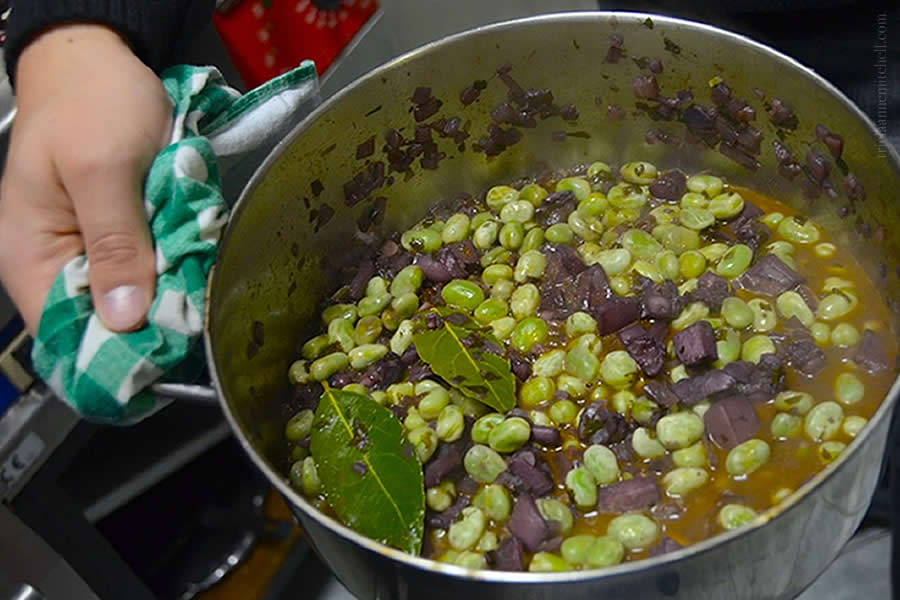
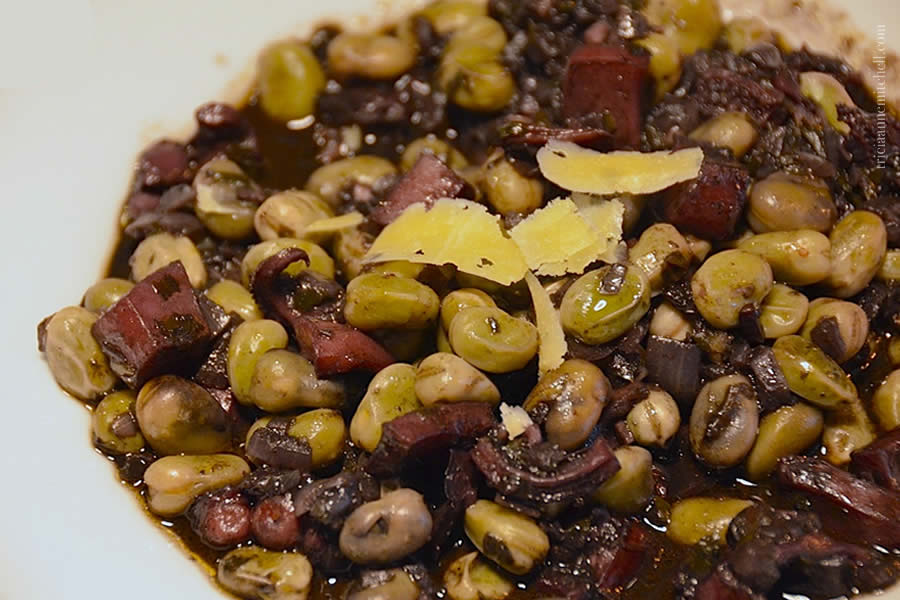
- Cuttlefish & Broad Beans: Broad beans and cuttlefish combined with a base of red onions, garlic, parsley, salt, pepper and olive oil. Cuttlefish ink is added at end of cooking for aesthetic purposes, and to give the dish a bit of a salty kick.
Video of This Experience:
Where in the World?
Jakša’s Zinfandel Risotto
Serves 4
Ingredients:
- 4 fistfuls Arborio rice (Jakša recommends that you use 1 fistful of rice per person)
- 2 cloves garlic, finely diced
- 2 large red onions (the reddest you can find), finely diced
- 1 handful parsley, finely diced
- 400 milliliters (about 2 cups) un-oaked, fresh Zinfandel. (You want a lighter Zinfandel, so use a newer vintage. Jakša recommends that you try to cook with a vintage that matches the current year.)
- ¾ of a liter stock (about 3.5 cups)
- pat of butter
- olive oil for sautéing
- salt & pepper to taste
Preparation:
- Sauté onions in olive oil.
- When the onion starts to turn yellow, add the parsley and garlic. Then add rice. Add more olive oil as needed.
- Sear the rice with the onion, garlic and parsley mixture for 2-3 minutes.
- On the side, heat ¾ liter vegetable stock.
- After you’ve seared the rice for a few minutes, pour in the Zinfandel. Stir. When the rice soaks up the Zinfandel, put in a small portion of the stock, little by little, while constantly stirring. Whenever the rice soaks up the liquid pour in more stock, then stir continuously. After 10-15 min, test the rice. It should be al dente or firm, about 2/3 of the way cooked. Turn off the heat, and remove risotto. Add a pat of butter to the risotto. Cover and let stand for 5-10 minutes. You can also add some Parmesan cheese during this step.
- Use salt & pepper to taste.
- Garnish. Jakša garnished our dishes with a piece of red pepper and one grape leaf.
- Pair with Zinfandel, preferably from the Bedalov Winery. :)
Planning Pointers:
- You’re probably thinking that we’re lucky to count Srđan and Jakša among our circle of Croatian friends, and we are! If you’ll be in the Split area and also want to learn about Croatian food and wine, get in touch with them through Bedalov Winery or the Art of Wine. When coordinating a cooking class or culinary experience, be sure to give them at least one day’s notice so they can source the freshest ingredients. Since I only eat gluten-free foods, and I’m a ‘selectarian’ meat eater, they customized our class to be naturally gluten free. They’ll also tailor experiences to meet the needs of vegetarians, vegans, extreme carnivores, etc.
- If you’ll be staying in Split for a few days, you might be interested in the Split Card, which gives you free entry to certain museums and galleries, and reduced rates to others.
- Would you like more ideas as you plan your vacation in Croatia? This link contains an index of all my posts from Croatia.
Accommodation in the Split Area:
Shawn and I have spent a total of five winters and one summer in and around the city of Split, using it as a base to explore Croatia’s popular Central Dalmatia region. We’ve made it a habit to create new memories by staying in a different property each year. Over the years, we’ve had long-term stays in Split, Trogir, Solin, and Makarska. We would happily revisit all of the following apartments. (Please note that some are affiliate links.)
- Kaleta Apartments (Split) – These lovely apartments are located within Diocletian’s Palace (well, technically just a few meters from the Iron Gate). Our elegant studio apartment, called the “Diocletian’s Suite,” had lots of character — including Roman brickwork embedded into the wall. We had overhead views of life on Split’s Old Town streets, and we enjoyed chatting with the friendly owners, Novica and Negri. We spent about 2.5 months here.
- Guesthouse F (Split) – This cozy studio apartment is located in Split’s Varoš neighborhood, just a few minutes’ walk from Diocletian’s Palace. With its quirky narrow streets and stone homes decorated with hunter-green shutters and flower boxes, Varoš is charming. One of Guesthouse F’s apartments was originally a horseshoe maker’s workshop, owned by Anja’s grandfather. Shawn and I dubbed it the “horseshoe cottage.” Aside from our central location, we loved having a tiny terrace. We also appreciated the kindness of our hosts, Anja and Miro. In total, we spent about 2 months here.
- Viola Apartment (Split) – We spent roughly 3 months in this wonderful 2-bedroom apartment, which is also in the Varoš neighborhood of Split. The apartment also has a lovely sun porch and garden. It is in an old stone home, but the interior has recently been remodeled. We were in a perfect location for accessing Diocletian’s Palace and Marjan Forest Park, too. On foot, it takes about six minutes to reach Split’s most famous lookout point near the Caffe Bar Vidilica. The owner, Ljubica, lives upstairs. She is easygoing and helpful.
- Apartments Mirkec (Trogir) – We spent 7 wonderful weeks in this studio apartment, which is located in the heart of the town of Trogir. The apartment had good Wifi and a kitchen with all the basics. It was also perfectly situated in the heart of Trogir’s gorgeous Old Town, just a minute’s walk from the seaside walkway, the Riva. Trogir’s bus station was about a 5-minute walk from the Apartments Mirkec, making day trips using mass transportation easy. Note: As of 2025, I think this apartment has permanently closed. However, the owner’s popular restaurant (Pizzeria Mirkec), which is located underneath the apartment, is still cooking up delicious pizzas in their wood-fired pizza oven.
- Apartments Vesna (Makarska) – This 1-bedroom apartment was our home for about 12 months. The apartment is on the top floor and features skylights. A small balcony on the back of the apartment overlooks Makarska’s harbor — the views of Makarska’s dramatic mountains are wonderful! It takes about 8 minutes to reach Makarska’s bus station on foot. In a matter of minutes, you can also walk to Makarska’s Riva (seaside promenade), several grocery stores, restaurants, and cafés. The owners, Mise and Anna, are exceptionally friendly and helpful.
Photography & text © Tricia A. Mitchell. All Rights Reserved. My husband, Shawn, created the video.


Join the conversation.