
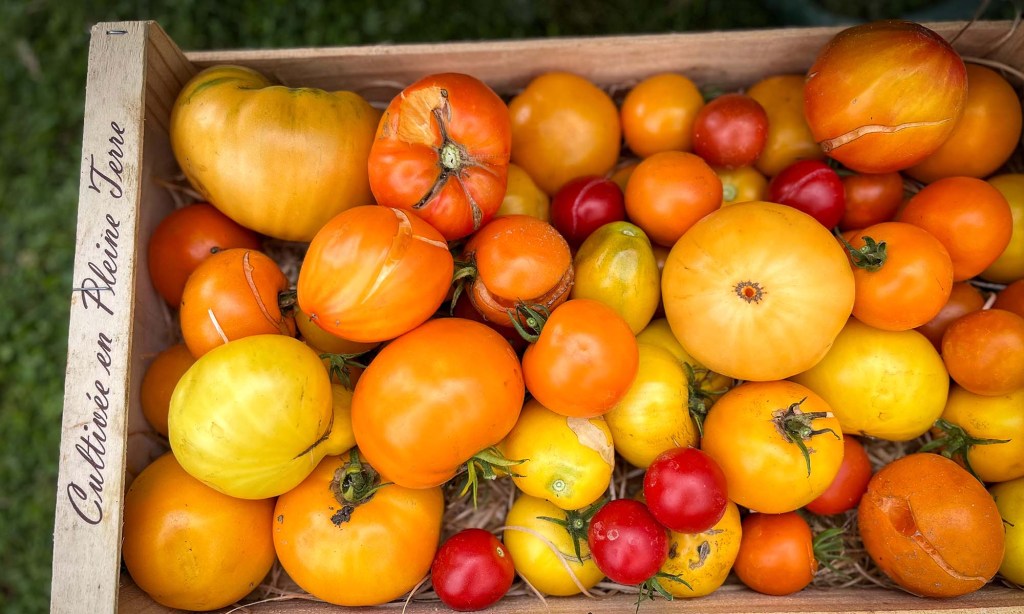
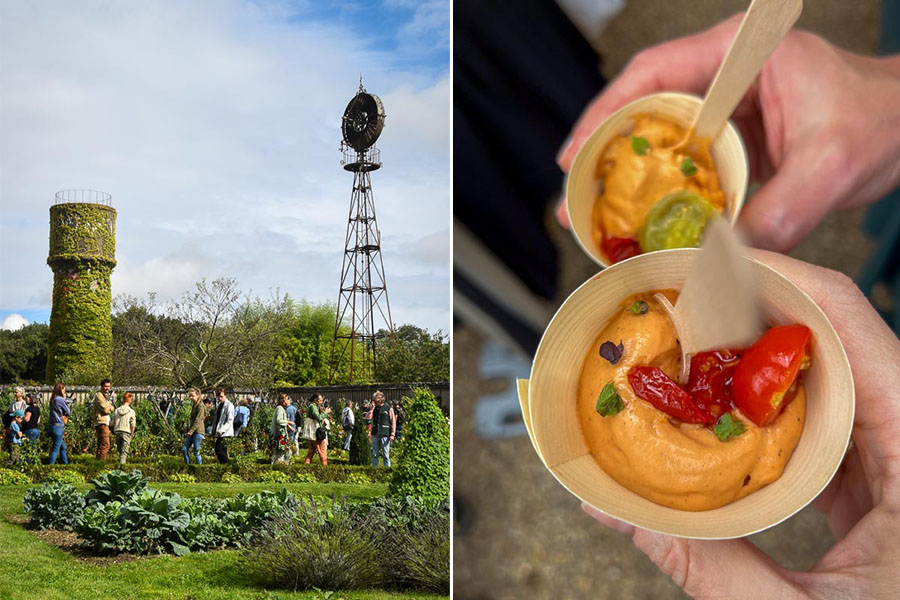
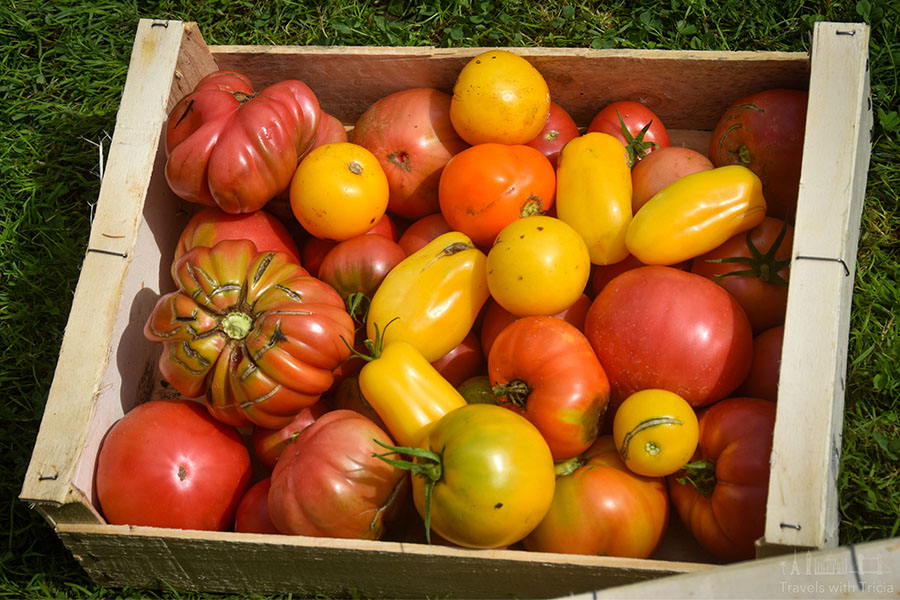
Imagine strolling the grounds of a French château, surrounded by a kaleidoscope of tomatoes in every color, shape, and size imaginable. This isn’t a fairy tale meets cooking show mashup. It’s the annual Tomato Festival at the Château de la Bourdaisière in France’s Loire Valley.
Since Shawn and I moved to France two years ago, we’ve been astounded by the fantastic variety of tomates on offer in French markets. Bland tomatoes were the norm at the big supermarkets when I was growing up in the United States. I ate those tomatoes, but not with great gusto. It turns out that Shawn’s opinion of tomatoes used to be less favorable than mine…
The first time I met Shawn in person, in fact, I thought we might be incompatible (food-wise at least), when he confessed that he detested tomatoes. He had made the bold decision to fly to Europe for one week to meet me in person. At the time, we were pioneers of online dating. I was living in Germany and Shawn was living in the US. We’d been corresponding for about three months by the time he flew across the Atlantic to meet for a whirlwind seven days.
Shortly after he arrived to my apartment in Heidelberg, Germany, I made a Caprese Salad, thinking mozzarella, basil, and tomatoes would be universally appreciated. And then Shawn diplomatically told me he was not a tomato fan. Pas du tout. Fortunately, the rest of our week proceeded much like a fairy tale, and we’ve now been together for 15 years. But I digress…
Once Shawn and I were living in France and exposed to the country’s flavorful tomatoes, he became a total tomato convert. When we heard about the Château de la Bourdaisière’s Tomato Festival and how it showcases a 785 staggering varieties, we were intrigued. We blocked the date on our calendars months in advance and readied our tastebuds.

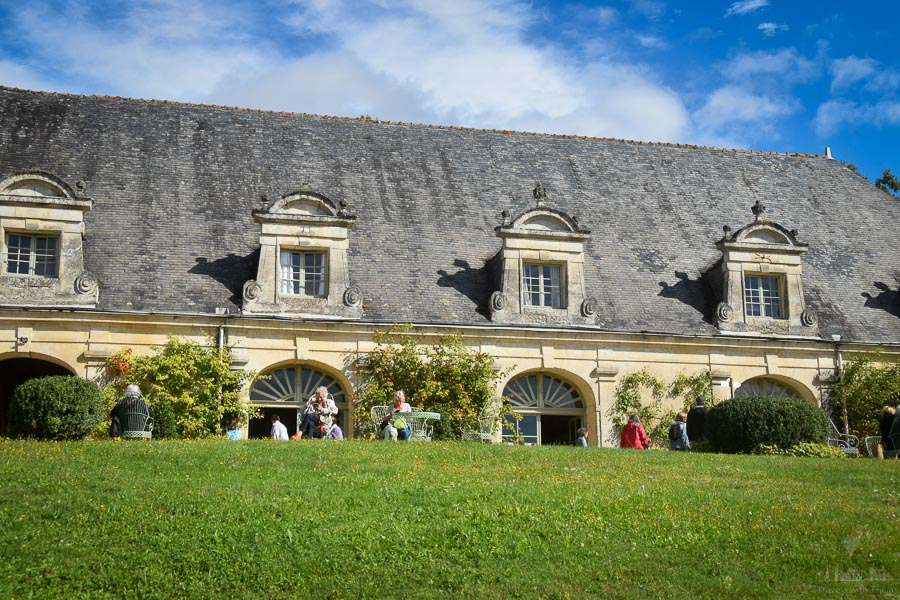
The Château de la Bourdaisière
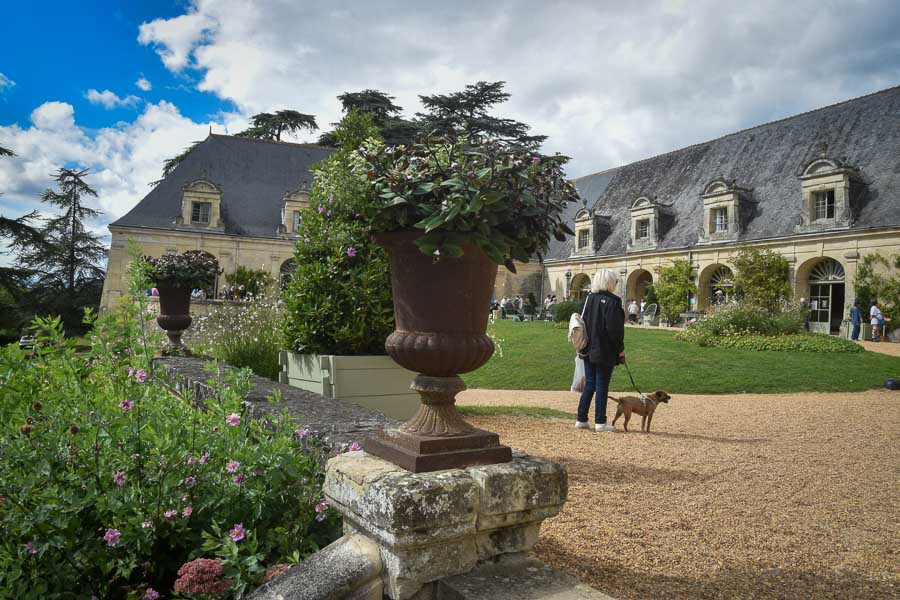
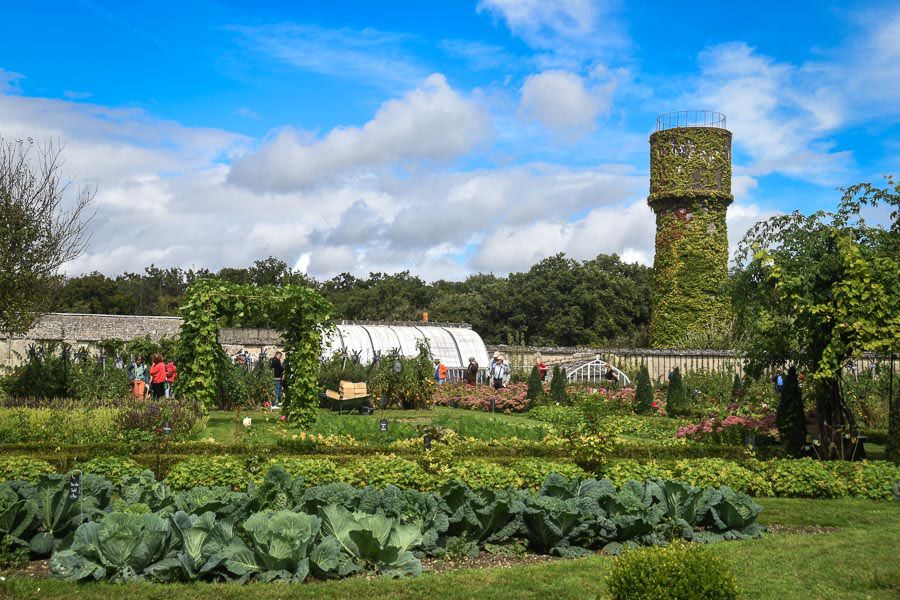
The Château de la Bourdaisière is the setting for the Tomato Festival. Originally built as a fortress in the 14th century, the château was later rebuilt in the Renaissance style during the 16th century by King François I. As you walk the castle’s grounds, you can feel the history in its graceful turrets and elegant façade, a backdrop that makes the festival feel even more special.
The National Tomato Conservatory
Today, the château serves as a private estate that opens its doors for special events and is dedicated to horticultural preservation. Its most famous attraction, the National Tomato Conservatory, is where history and horticulture come together.
At the heart of the festival is the National Tomato Conservatory (Conservatoire National de la Tomate), a living library of tomato diversity. Founded in 1998 by the château’s current owner, Prince Louis Albert de Broglie, this conservatory was created to preserve an astonishing variety of tomatoes from all over the world.
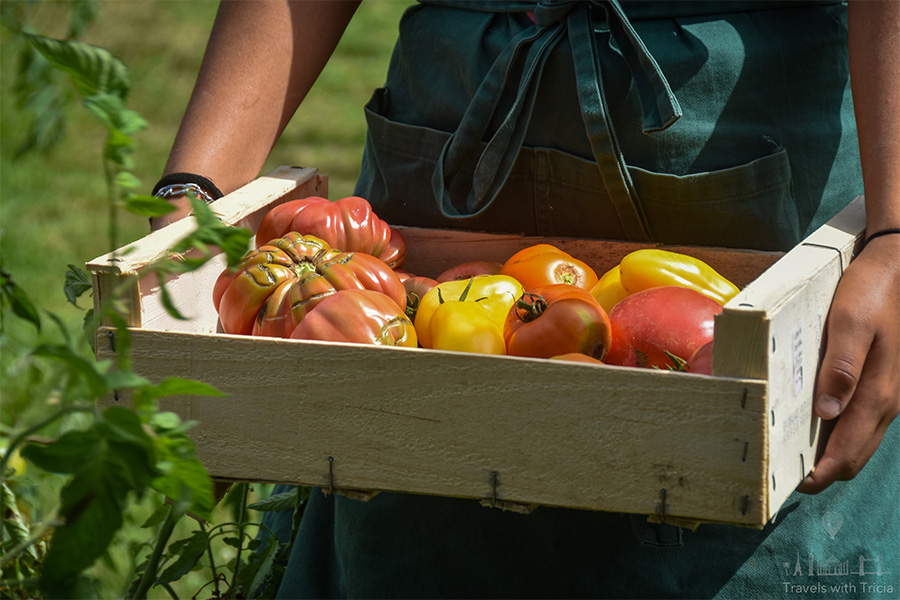
Today, you can explore a collection of 785 tomato varieties, which go beyond the standard red ones. Here, you’ll find everything from the Green Zebra to the plump Coeur de Boeuf Jaune (Yellow Beef Heart). At the festival, you can do more than just look; you can taste, learn, and even buy seeds for your own garden.
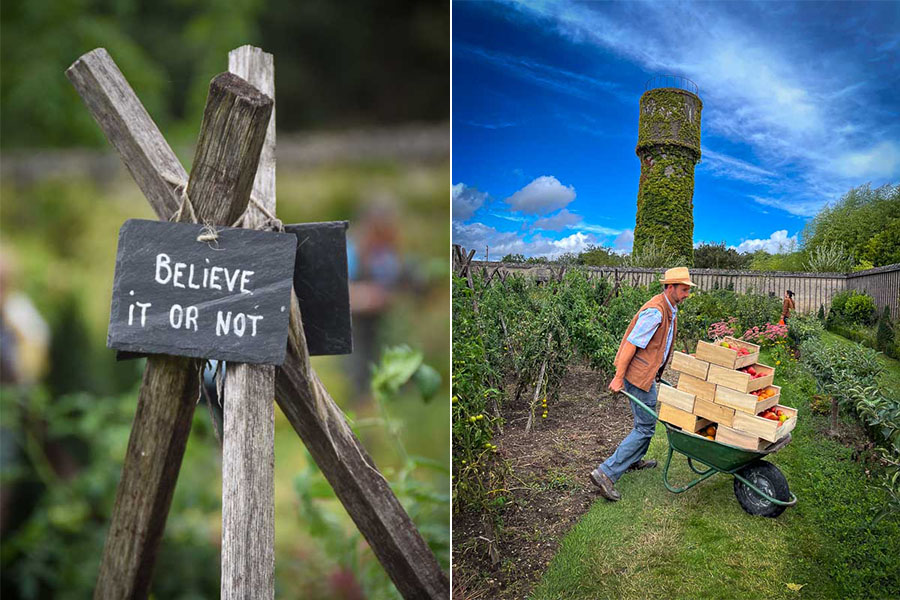
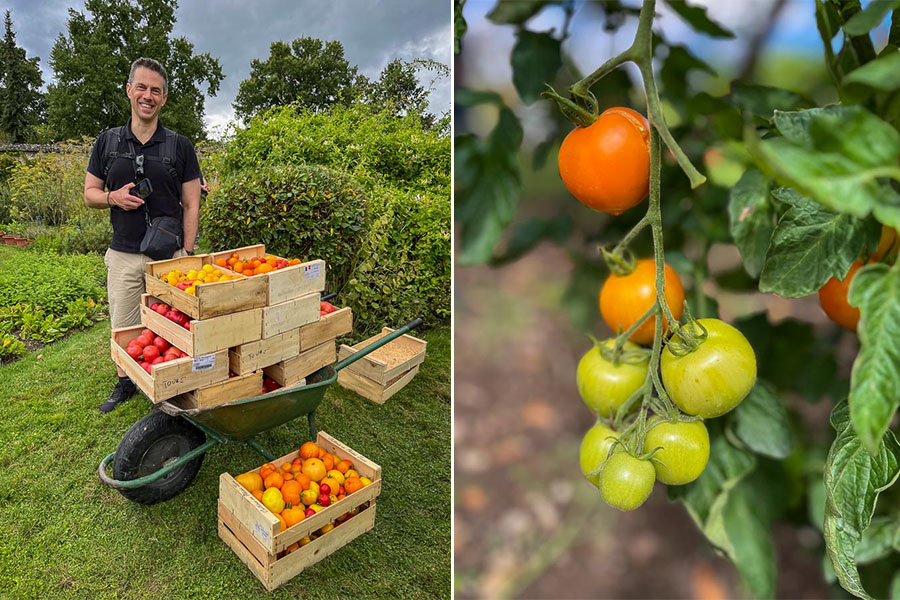


Here are some of the most memorable tomato varieties I spotted at the Tomato Festival:
- Abraham Lincoln
- Apple Tree
- Believe it or Not
- Cavendish Banana
- Coeur de Boeuf Jaune (Yellow Beef Heart)
- Fuzzy
- German Head
- Green Sausage
- Green Zebra
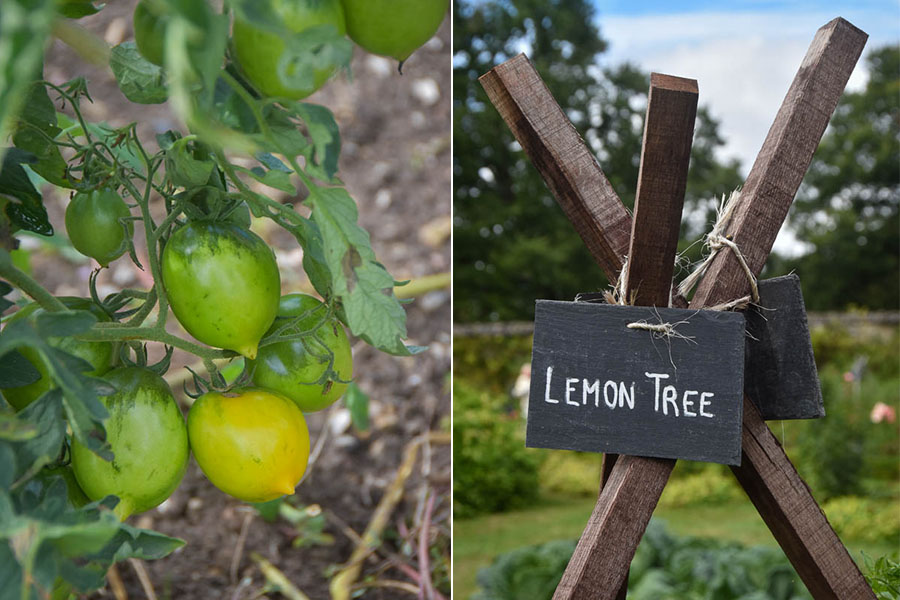
- Lemon Tree
- Moonglow
- Mortgage Lifter
- Monstreuse de Lyon (Lyon Monster)
- Mustang
- Northern Light
- Red Dawn
- Reine de la Boirdaisière (Boirdaisière Queen)
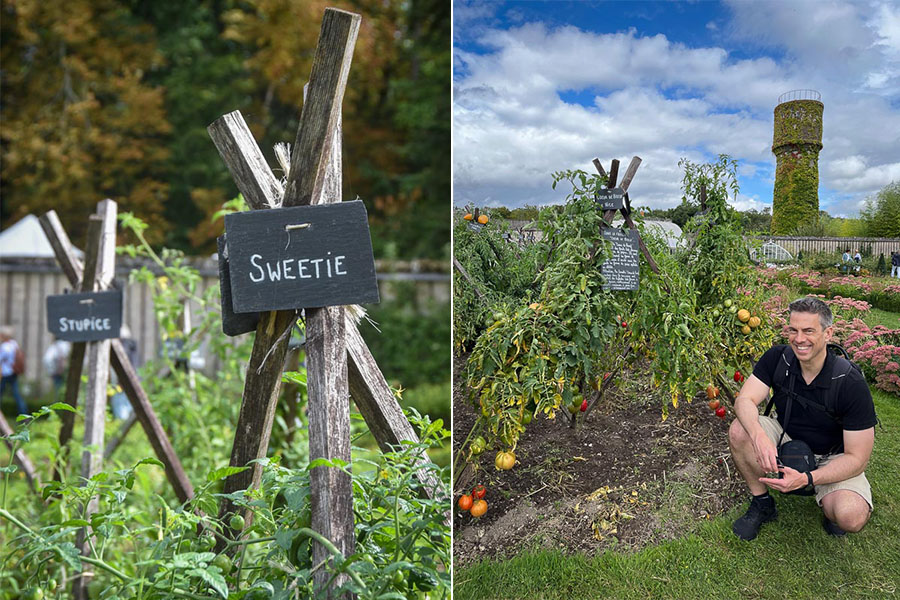
- Sweetie
- Tulip
- Wading Deep



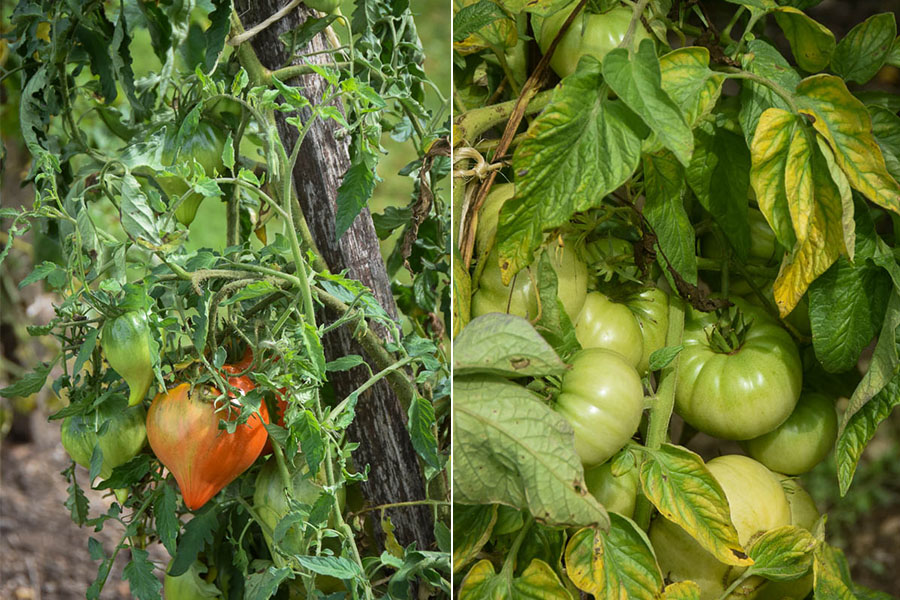

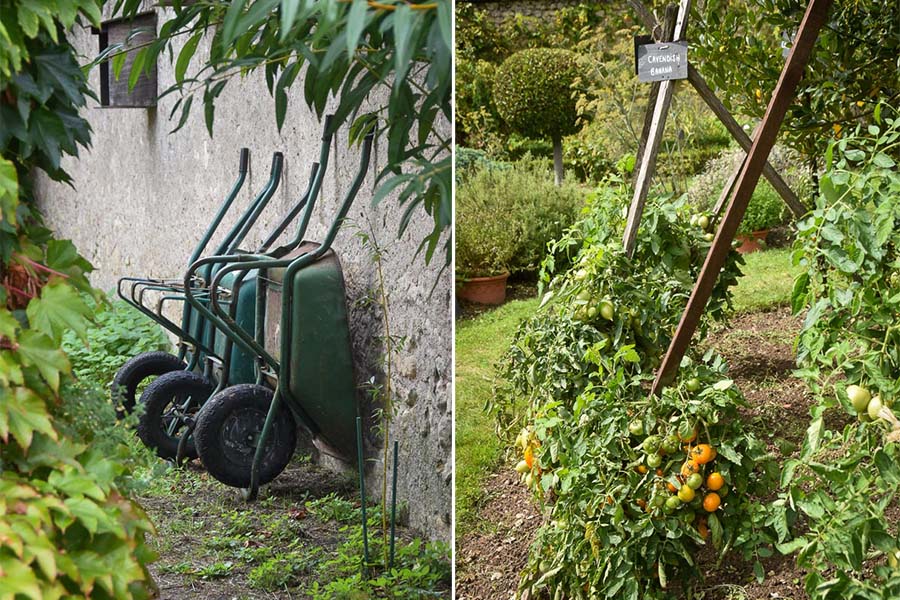
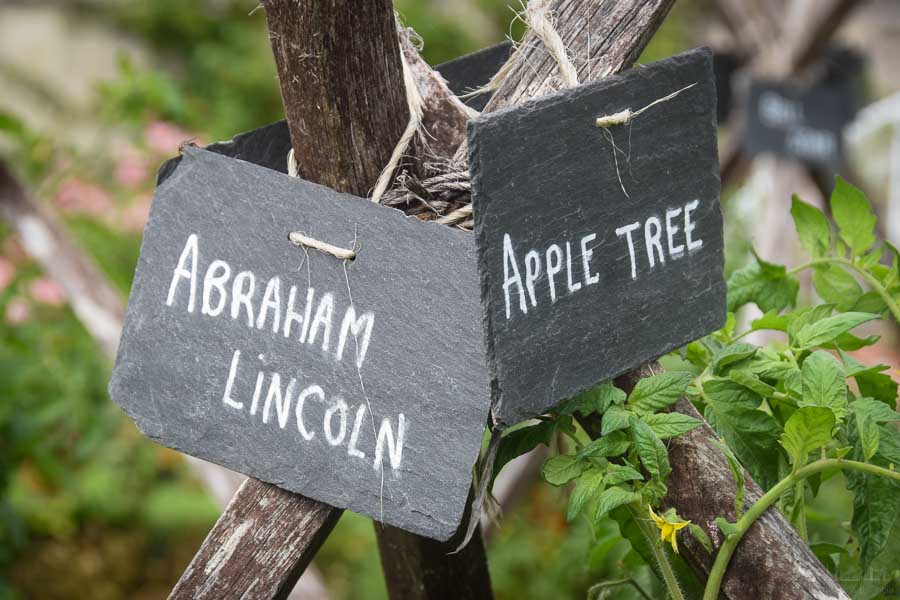

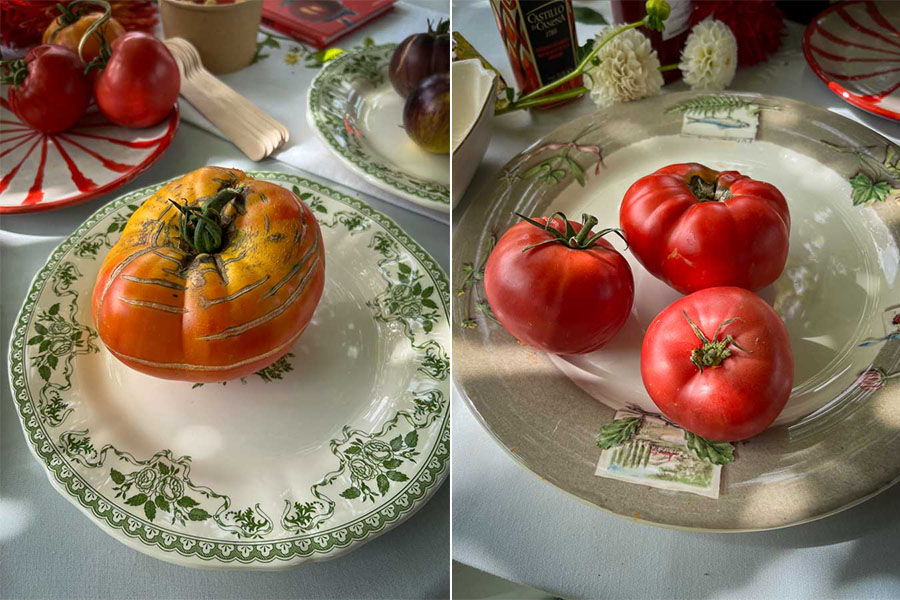










From Poisonous Berry to Culinary Staple: The History of the Tomato
The tomato’s journey to becoming a global food staple is a fascinating story, full of surprising twists.
The tomato’s story begins in western South America, where it was first cultivated by the Aztecs and other Mesoamerican cultures. The word “tomato” itself comes from the Aztec word tomatl.
When the Spanish brought the tomato to Europe in the 16th century, it was not an instant hit. Because the tomato plant is related to the poisonous nightshade family (Solanaceae), people were immediately wary. The leaves and stems are toxic, and this connection, combined with the fact that acidic tomatoes would leach lead from the pewter plates used by the wealthy, led to a dangerous misconception. People who got sick from lead poisoning blamed the fruit, earning it the nickname “poison apple.”
For nearly 200 years, the tomato was considered an ornamental curiosity in Europe, admired in gardens but rarely eaten. It wasn’t until the late 18th century in Italy and Spain that it began to be embraced in cooking, eventually becoming a cornerstone of Mediterranean cuisine.
The tomato’s reputation took a while to recover in North America, too. Its fate was finally changed in 1820 by a man named Colonel Robert Gibbon Johnson, who famously ate tomatoes in front of a crowd in New Jersey to prove they were safe. This gesture, along with the rise of the canning industry, finally helped the tomato gain widespread acceptance.
The festival at Château de la Bourdaisière is a fun and delicious reminder of the tomato’s incredible journey and a true celebration of a fruit that has conquered the world, one bite at a time.
🍅🎵 Tomato-Themed Tunes:
- Hang On Little Tomato – Pink Martini
- Let’s Call The Whole Thing Off (“You like to-may-to and I like to-mah-to”) – Ella Fitzgerald & Louis Armstrong
- Don’t Touch Me Tomato – Josephine Baker
🍅 More Tomato Resources:
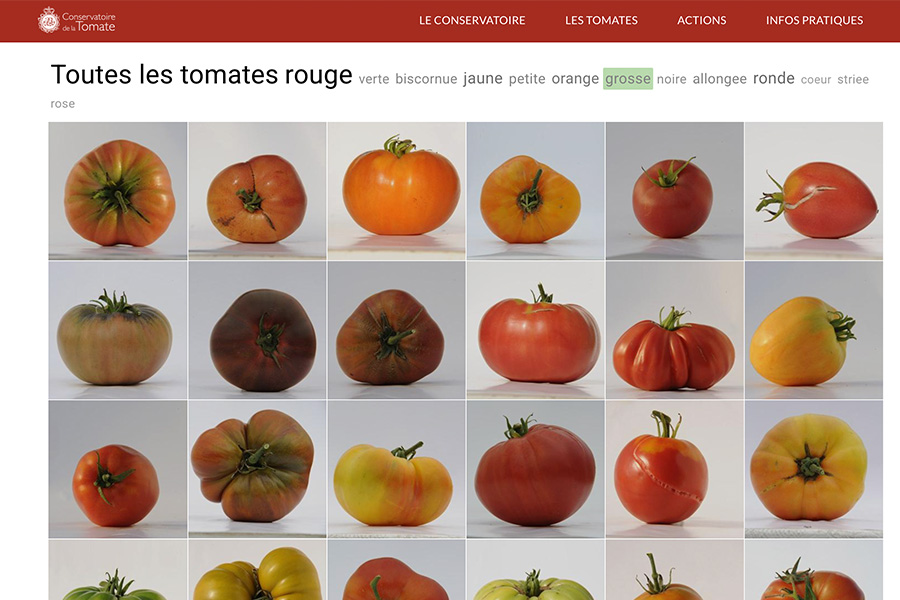
- The National Tomato Conservatory categorizes the château’s tomatoes based on color and shape and features a visual index.
- A Lesson in Joie de Vivre from the Tomato Prince, a profile piece about the creator of the National Tomato Conservatory, Prince Louis-Albert de Broglie.
- Biodiversity Heritage Library is a consortium of natural history and botanical libraries. It has a vast collection of vintage, digitized tomato illustrations and literature, some of which date back to the 16th century. Here are some fun examples:
- The Beauty Tomato (published 1905)
- Tomato Raising in Common Gardens (published 1870)
- Tomato Facts : Murry’s New Early Perfection Tomato (published 1919)
- Tomato Culture; A Practical Treatise on the Growing and Cultivation of the Tomato (published 1913)
- Tomato Facts: The Story of the Evolution of the Tomato by Livingston’s (published 1909)
- Vick’s Flower and Vegetable Garden
- How Did Tomatoes Become an Italian Staple?, a 5-minute PBS Food video on YouTube.
- New York Public Library Digital Collections has many public domain items, including botanical prints and vintage tomato photographs.
- Pictureboxblue curates public domain botanical prints and has a section dedicated to them. The site has fruit & vegetable prints from France’s Larousse Collection of Illustrated Dictionaries, dating back to 1897. (Coincidentally, I just bought a vintage version of Larousse’s “fruit” page at Librairie Ancienne Denis, an antique bookstore in the city of Tours, France. It was illustrated by French naturalist and author Adolphe Philippe Millot.)
- Seed Savers Exchange is a non-profit dedicated to preserving heirloom seeds.
- Why Planting a Garden is a Political Act, a TEDx Talk by the château’s owner (and founder of the Tomato Conservatory), Prince Louis-Albert de Broglie.
Where in the World?
Planning Pointers:
- The Tomato Festival takes place on a Saturday and Sunday in early September at the Château de la Bourdaisière in Montlouis-sur-Loire, France.
- The city of Montlouis is located between Tours and Amboise, 9 km (about 5.5 miles) from the Saint-Pierre-des-Corps TGV station. (You can get from Paris to the Saint-Pierre-des-Corps TGV station in about one hour.)
- Tomato Festival tickets cost 8€ / 6€ (full / reduced admission), as of 2025. Admission is free for children under the age of 10.
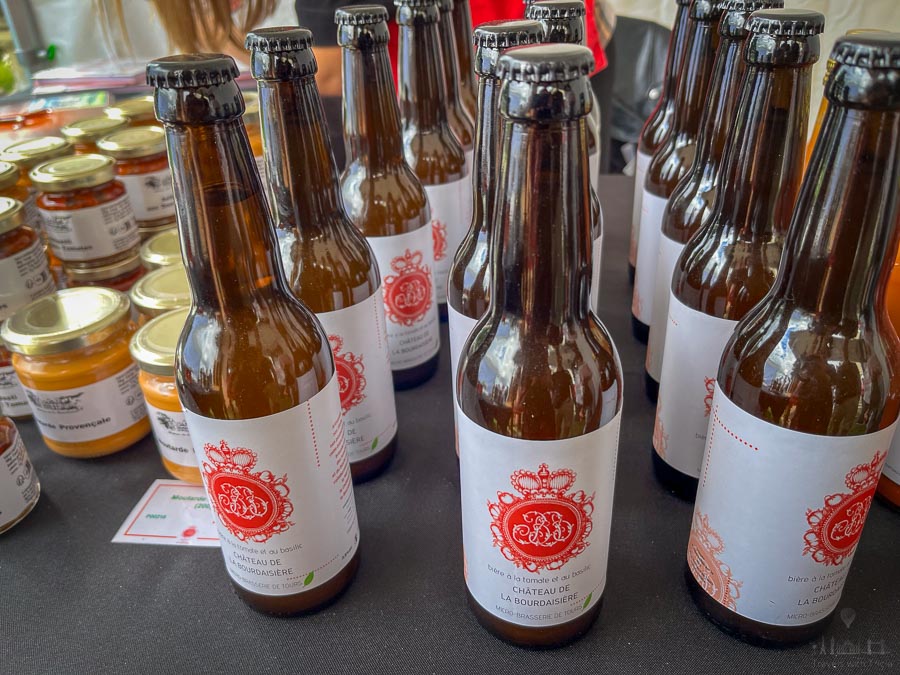
- There is a Tomato Bar on-site, where you can buy tasty treats to be enjoyed on the grounds of the château. The menu varies based on what’s in season, but be on the lookout for appetizer boards filled with olives, cherry tomatoes, and rillettes de Tours. There are also tomato salads, savory tarts, and more.
- To get to the Tomato Festival, you can also travel via regional train, but be prepared to do a bit of walking.
- We traveled by train from Amboise to the Montlouis-sur-Loire train station. The walk from the train station to the château was about 4 kilometers (2.5 miles).
- On the way back home, we took the train from the Veretz-Montlouis train station to Amboise. The distance is about 2 km (1.25 miles).
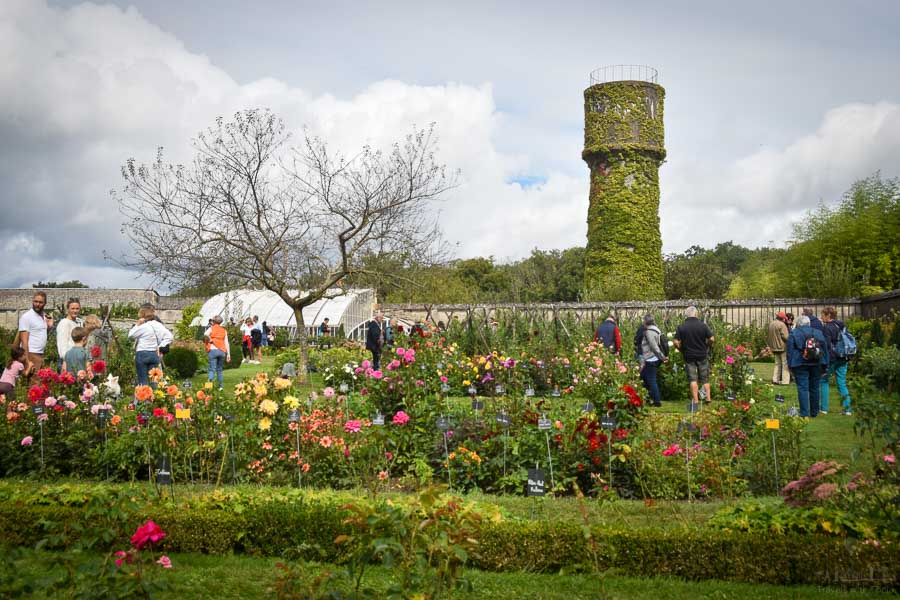
- If you can’t make it to the château during the weekend of the Tomato Festival, you can still visit the gardens of the château and see the Rose Garden, Dahlia Conservatory, and Tomato Conservatory, which are open a few months out of the year. Here are ticket prices, dates, and opening hours. Note that you’ll usually see tomatoes from July to October. The château also hosts a Plant and Spring Festival in April.
- Where to Stay: You can even spend the night at the Château De La Bourdaisière, which has rooms and apartments. The château is surrounded by an extraordinary park, and offers tennis courts, jogging trails, and an outdoor swimming pool, not to mention intimate access to the Tomato Conservatory. All rooms overlook the château’s park. At least one room is accessible.
- Are you spending a few days in the Loire Valley and looking for inspiration? From hot-air balloon rides to Christmas festivities, see all of my posts from the Loire Valley.
Photography & text © Tricia A. Mitchell. All Rights Reserved.


Leave a reply to mscorning Cancel reply